When Should I Get a New Roof?
6 min readReece Francis, Roofer
On this page (12)
- 01How Long Should a Roof Last
- 02Signs That Your Roof Is Reaching the End
- 03When Repairs Are No Longer Enough
- 04How Weather Affects Roof Condition
- 05What Happens During a Roof Replacement
- 06Choosing the Right Materials
- 07When a New Roof Is Needed During Renovation
- 08How a New Roof Improves Your Home
- 09Common Misconceptions About Roof Replacement
- 10Why Local Knowledge Matters
- 11Why Choose Us for a New Roof
- 12Conclusion
So, When Should I Get a New Roof?
Knowing when to replace a roof is something many homeowners find difficult. A roof can last for decades, but it will eventually reach a point where repairs are no longer enough to keep it secure. Understanding the signs that your home may need a new roof helps prevent leaks, dampness, structural damage and ongoing repair costs.
Over the years, I have inspected and replaced many roofs across South London and Surrey. Every home is different, but the reasons behind roof replacement are often very similar. I will explain the key signs that your roof may need replacing, how long different materials last, what happens during the replacement process and when it makes more sense to replace rather than repair.
How Long Should a Roof Last
Most roofs have a predictable lifespan. The exact length depends on the material, weather exposure and the condition of the underlying structure. Here are some general guidelines:
• Slate roofs can last well over one hundred years • Clay tiles often last around sixty to eighty years • Concrete tiles typically last around fifty to sixty years • Felt flat roofs usually last around ten to twenty years • Fibreglass and rubber flat roofs can last up to thirty years
If your roof is approaching the end of its expected lifespan, it may be time to consider a new roof, especially if you have already seen signs of wear.
Signs That Your Roof Is Reaching the End
There are several clear indicators that a roof may no longer be performing as it should. Recognising these early helps prevent significant damage. Common signs include the following.
Frequent Leaks
Occasional leaks may be resolved with repair work, but if leaks keep appearing in different areas, the roof covering or the underlay may be failing.
Cracked, Broken or Slipped Tiles
Tiles wear down over time. Slipped or cracked tiles let water reach the underlay and eventually the roof structure.
Light in the Loft
If daylight shines through the roof lining, it means gaps have formed in the covering.
Sagging Sections
A sagging roof is a sign that the structure beneath is weakening. This is a strong indicator that a new roof may be needed.
Damp or Mould in the Loft
Moisture inside the loft often means water is entering through the roof covering. This may be due to underlay failure or widespread tile problems.
Increasing Moss Growth
A small amount of moss is normal, but heavy growth can damage tiles and hold moisture against the surface. Our moss removal service often helps slow down roof deterioration.
Failing Ridge Mortar
Worn mortar at the ridge allows water to enter the highest point of the roof. This affects the tiles, the underlay and the overall structure.
When Repairs Are No Longer Enough
Repairs are often the first choice for many homeowners. They are cost effective and work well when the damage is limited. However, repairs are not always the best option, especially when:
• The roof has suffered widespread tile damage • The underlay is worn across large sections • The nails or fixings have deteriorated • The roof structure is weakened • Leaks appear in multiple places
Repairing only the visible problems may delay the issue, but it will not address the underlying cause.
How Weather Affects Roof Condition
South London and Surrey experience a mixture of rainfall, cold spells and occasional strong winds. These weather conditions can speed up roof wear.
• Heavy rain puts pressure on tiles and flashing • Frost can crack tiles and expand small gaps • Wind can lift already loose tiles • Summer heat causes materials to expand
These constant changes slowly reduce the effectiveness of the roof, especially on older homes.
What Happens During a Roof Replacement
Replacing a roof is a significant project, but when carried out properly, it provides decades of protection. Here is what homeowners can expect.
Full Roof Inspection
The first step is assessing the condition of the roof. This includes inspecting the tiles, ridge, flashing, roofline, underlay and timber.
Removing the Existing Roof Covering
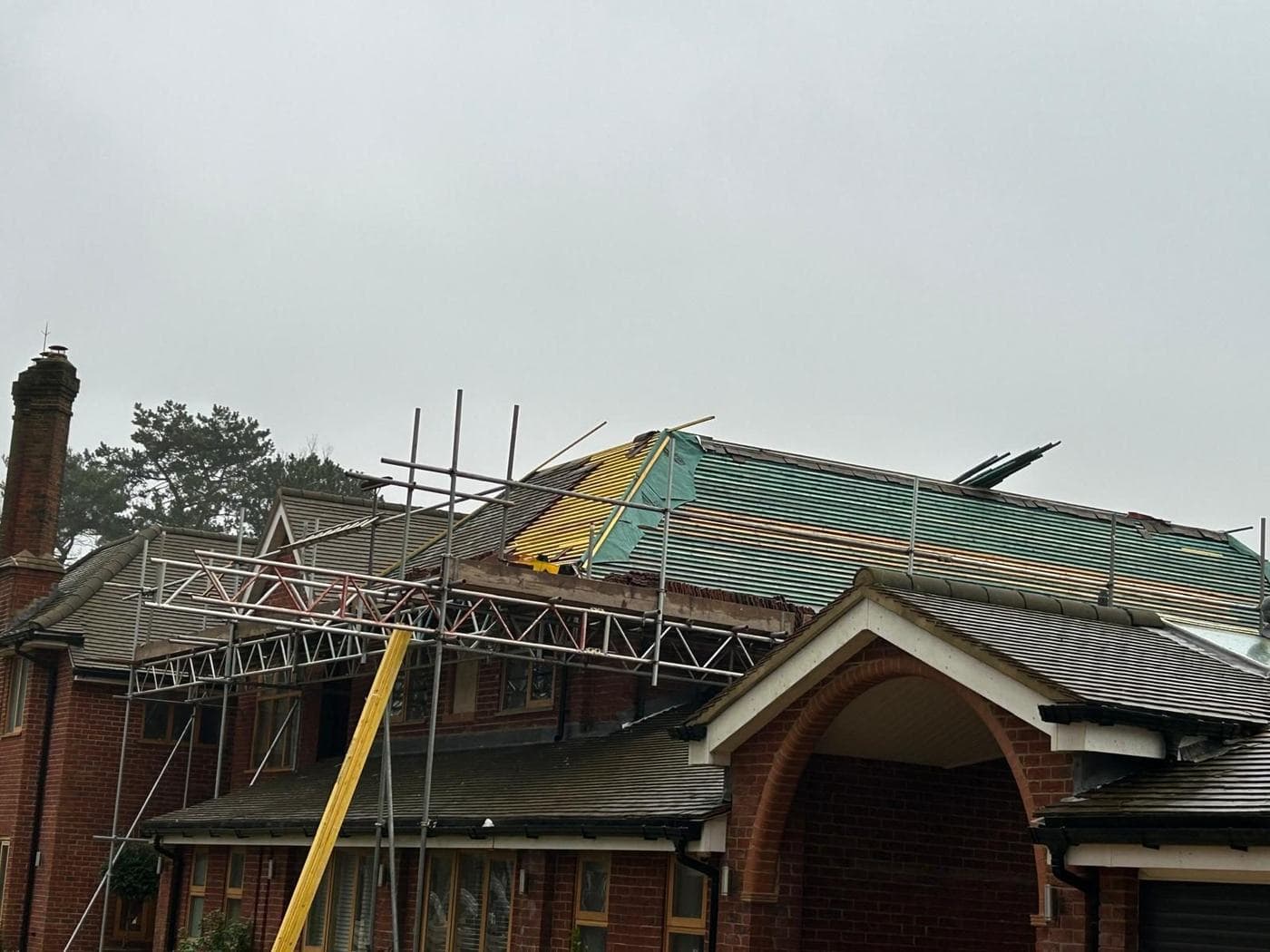
The old tiles or slates are removed carefully, along with the battens and underlay. Any damaged timber is identified at this stage.
Installing New Underlay
A modern breathable underlay is fitted. This helps control airflow, reduces condensation and keeps the roof structure dry.
Fitting New Battens
New battens are installed to support the roof covering. These provide an even and secure foundation.
Installing the New Roof Covering
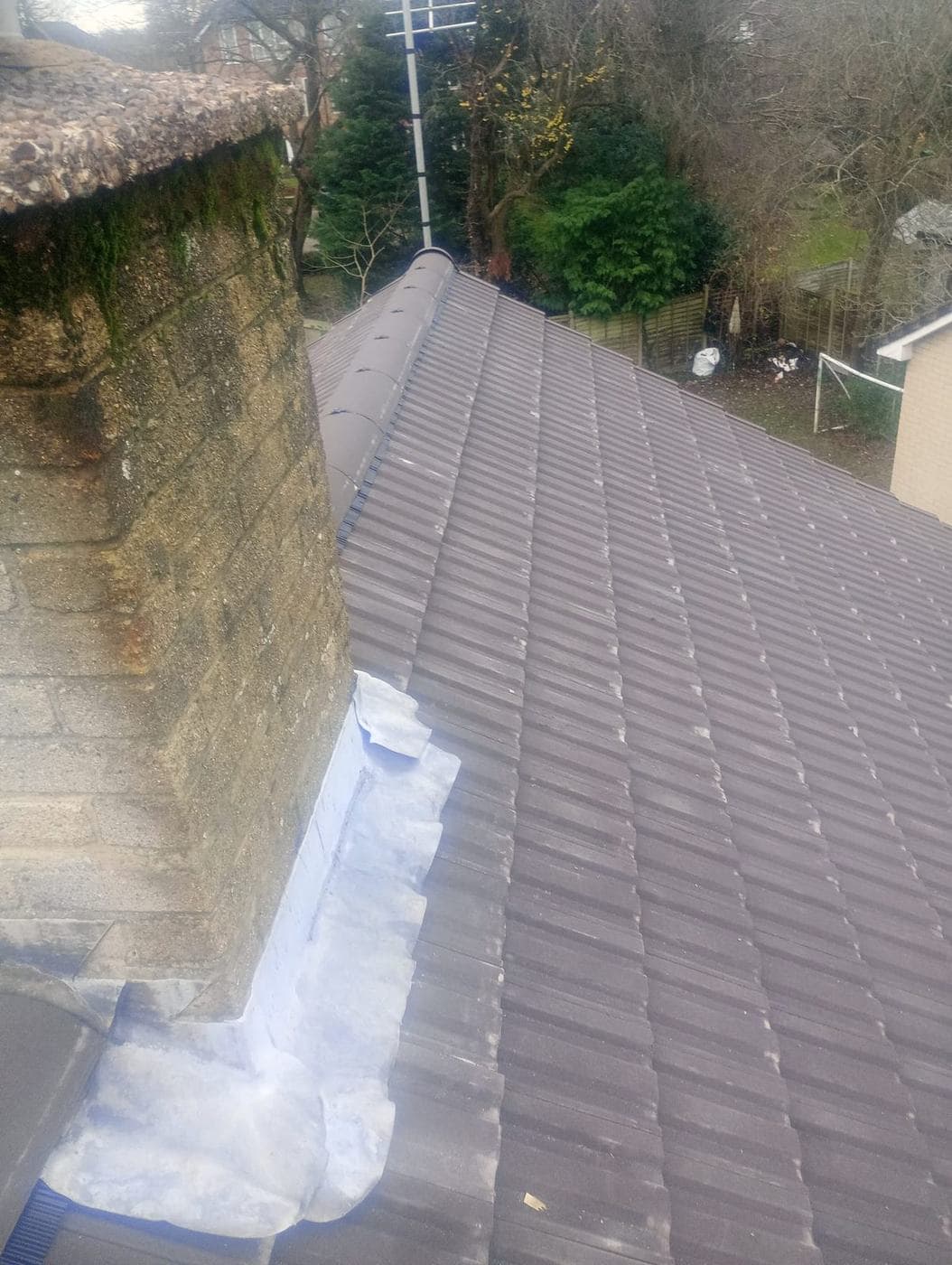
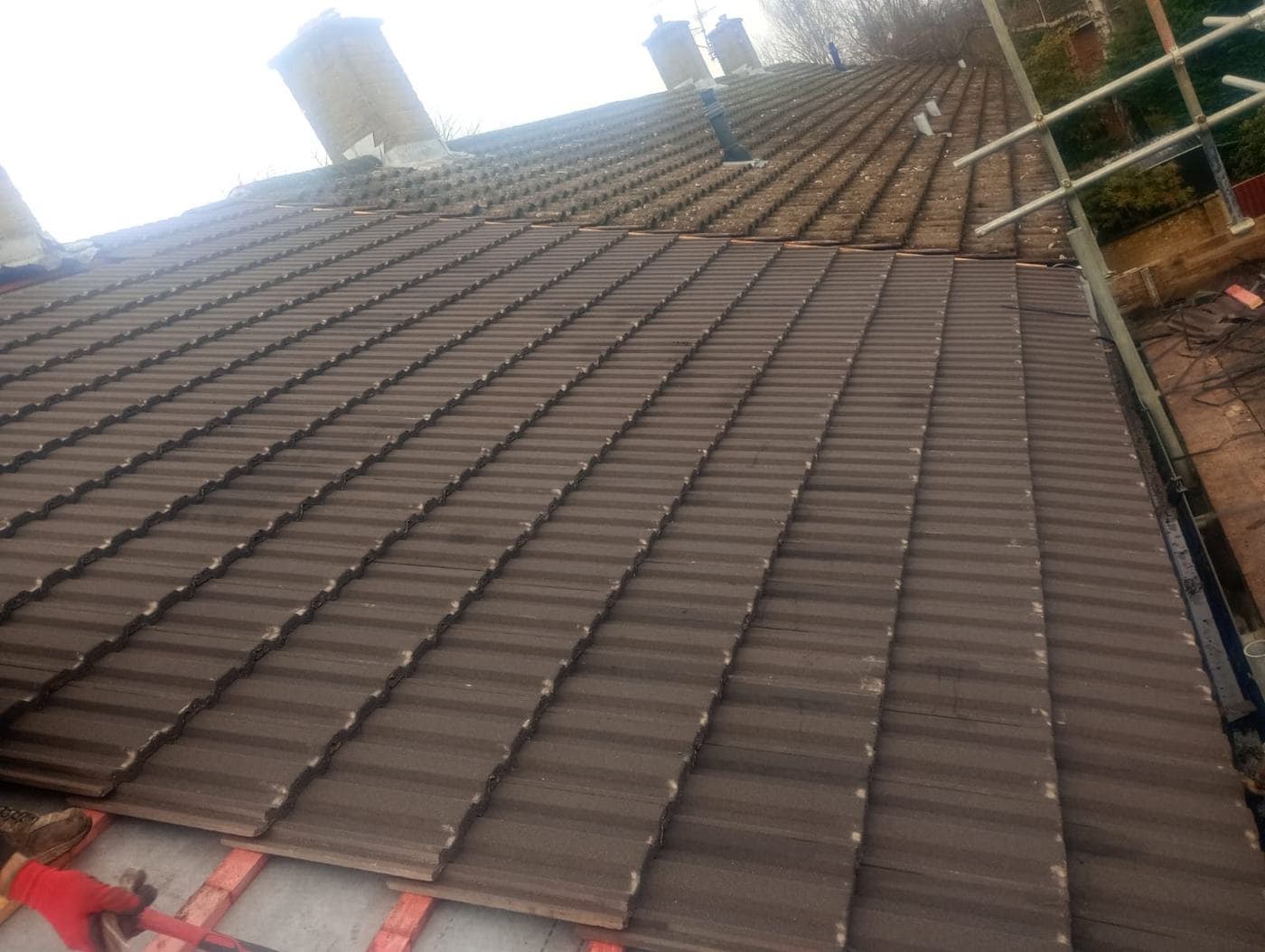
Whether we use clay tiles, concrete tiles, slate or another material, the new covering is fitted carefully. Our tiled roofs and slate roofs services help ensure the new roof looks consistent and performs well.
Final Details
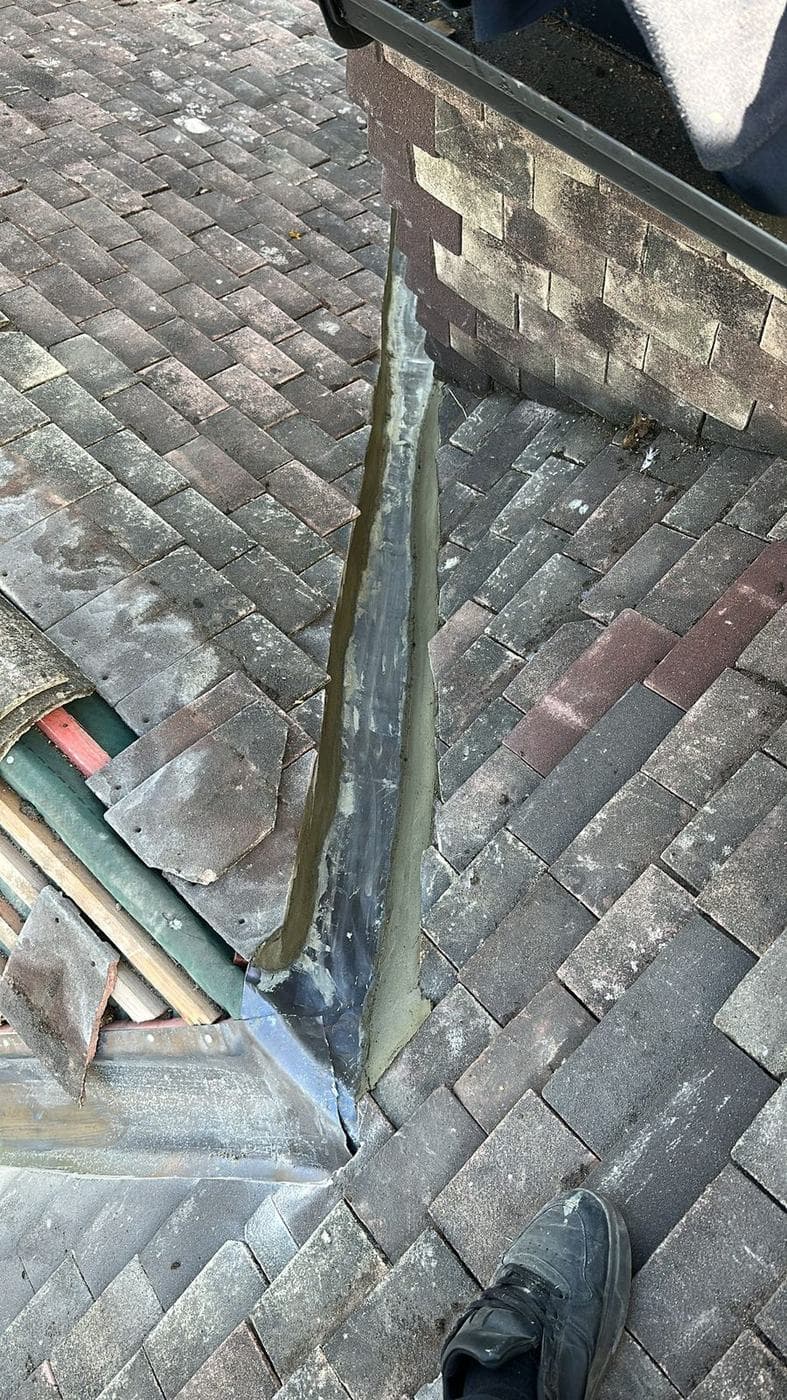
Ridge tiles are secured, flashing is inspected and ventilation is checked. If the roofline needs attention, our soffits and fascias service can be included.
Choosing the Right Materials
When replacing a roof, the material choice is important. Slate offers the longest lifespan and a classic look. Clay tiles suit period homes well. Concrete tiles are strong and cost effective for many properties. Each material has its own benefits, and the right choice depends on the home’s style, location and existing structure.
When a New Roof Is Needed During Renovation
Many homeowners choose to replace their roof during larger renovation projects. This is common when converting a loft, extending a property or updating an older home.
Our renovations service often includes roofing work, and when we carry out extensions and conversions, we ensure the roof blends seamlessly with the existing structure.
How a New Roof Improves Your Home
A new roof does more than solve leaks. It provides several long term benefits:
• Better insulation • Improved energy efficiency • Increased property value • A cleaner and more attractive appearance • Better protection against weather • Longer lasting performance
Many homeowners notice an immediate difference in indoor warmth once the new covering and underlay are in place.
Common Misconceptions About Roof Replacement
Some homeowners delay replacing their roof because of common misunderstandings. Here are a few examples:
“Only leaking roofs need replacing.” Many roofs reach the end of their lifespan before leaks occur.
“Repairs can always fix the problem.” Repairs only work when damage is limited.
“A new roof will look different from the neighbours.” Materials can be matched closely to maintain a consistent appearance.
Why Local Knowledge Matters
Understanding the style and age of South London and Surrey homes helps us decide the best repair or replacement method. I have worked on a wide range of properties in the area, from Victorian terraces to newer builds, and each requires a slightly different approach. Local experience also helps us understand any need for planning permission from local councils.
Local experience helps ensure the new roof suits the home, the neighbourhood and the local weather conditions.
Why Choose Us for a New Roof
Homeowners across South London and Surrey trust us because we take the time to assess the roof properly, explain all options clearly and deliver long lasting results.
We are also listed on Checkatrade, where people can read genuine reviews of our roofing work.
Conclusion
If your roof is ageing, leaking repeatedly or showing signs of structural wear, it may be time to consider a new roof. Replacing it early prevents long term damage, improves energy efficiency and gives your home a fresh, strong and secure covering.
For advice or to arrange an inspection, you can contact us here. You can also connect with Rated Roofers and Builders on our business profile. We provide reliable roof replacements and repairs across South London and Surrey and are always happy to help.
Need this doing
New Roofs
Stripped back, felted, battened and re-covered to last.