When to replace roof tiles
5 min readReece Francis, Roofer
On this page (16)
- 01Signs You Need to Replace Roof Tiles
- 02Age of the Roof
- 03Weather Damage and Its Impact
- 04When Repairs Are Enough
- 05When Tile Replacement Becomes Necessary
- 06Structural Issues Beneath the Tiles
- 07Moss Growth and Tile Movement
- 08Chimneys and Roof Junctions
- 09Cost Considerations
- 10Building Regulations and Compliance
- 11Planning Permission
- 12Energy Efficiency
- 13Safety and Professional Work
- 14Real World Perspective
- 15Trusted Roofing Advice
- 16Conclusion
So, When to Replace Roof Tiles
Knowing when to replace roof tiles can save you from more serious and expensive roofing problems later. While a single cracked tile may seem minor, widespread tile damage often points to deeper issues that affect the entire roof. The key is understanding the difference between isolated damage and signs that your roof is beginning to fail.
I regularly inspect roofs across South London and Surrey where homeowners are unsure whether a repair will be enough. In practice, what we often see is people replacing a few tiles repeatedly without addressing the underlying cause. What actually tends to happen is the issue spreads beneath the surface, which leads to leaks and structural damage over time.
Signs You Need to Replace Roof Tiles
Roof tiles rarely fail all at once. Instead, they show gradual signs of wear that become more noticeable over time.
You may need to replace roof tiles if you notice:
Cracked or broken tiles across multiple areas Tiles slipping out of position after wind or storms Gaps appearing between tiles Water stains or damp patches inside the property Moss growth lifting tiles or holding moisture
A common mistake is assuming that replacing one or two tiles will solve the problem. However, if damage appears across several sections of the roof, it usually indicates a wider issue.
Age of the Roof
The age of your roof plays an important role in deciding when to replace roof tiles.
Concrete tiles typically last between thirty and fifty years, while clay tiles often last longer. However, weather exposure, maintenance and installation quality all affect lifespan.
In practice, what we often see is older roofs where tiles become brittle and start to crack more easily. At this stage, replacing individual tiles may provide only a temporary solution.
Weather Damage and Its Impact
UK weather has a significant effect on roof tiles. Rain, wind and frost all contribute to gradual deterioration.
Strong winds can dislodge tiles, while freezing temperatures cause small cracks to expand. Over time, repeated exposure weakens the tiles and reduces their effectiveness.
Because of this, damage often appears after storms. However, the underlying wear may have developed over several years.
When Repairs Are Enough
Not every situation requires full tile replacement. If the damage is limited to a small number of tiles and the rest of the roof remains in good condition, repairs can be effective.
Our roof repairs service often resolves minor issues quickly by replacing damaged tiles and securing surrounding areas.
In practice, early repairs help prevent further damage and extend the life of the roof.
When Tile Replacement Becomes Necessary
If tile damage appears across large sections of the roof, replacing tiles becomes more practical than ongoing repairs.
Signs that you need to replace roof tiles rather than repair them include:
Repeated leaks in different areas Widespread cracking or movement Deteriorating underlay visible in the loft Tiles that no longer sit securely
What we often see is homeowners spending money on multiple repairs over several years. However, replacing larger sections of tiles earlier would have been more cost effective.
Structural Issues Beneath the Tiles
Tiles are only one part of the roofing system. Beneath them, battens and underlay provide structural support and waterproofing.
If these layers deteriorate, simply replacing tiles will not solve the problem. In many cases, tile issues reveal deeper structural concerns.
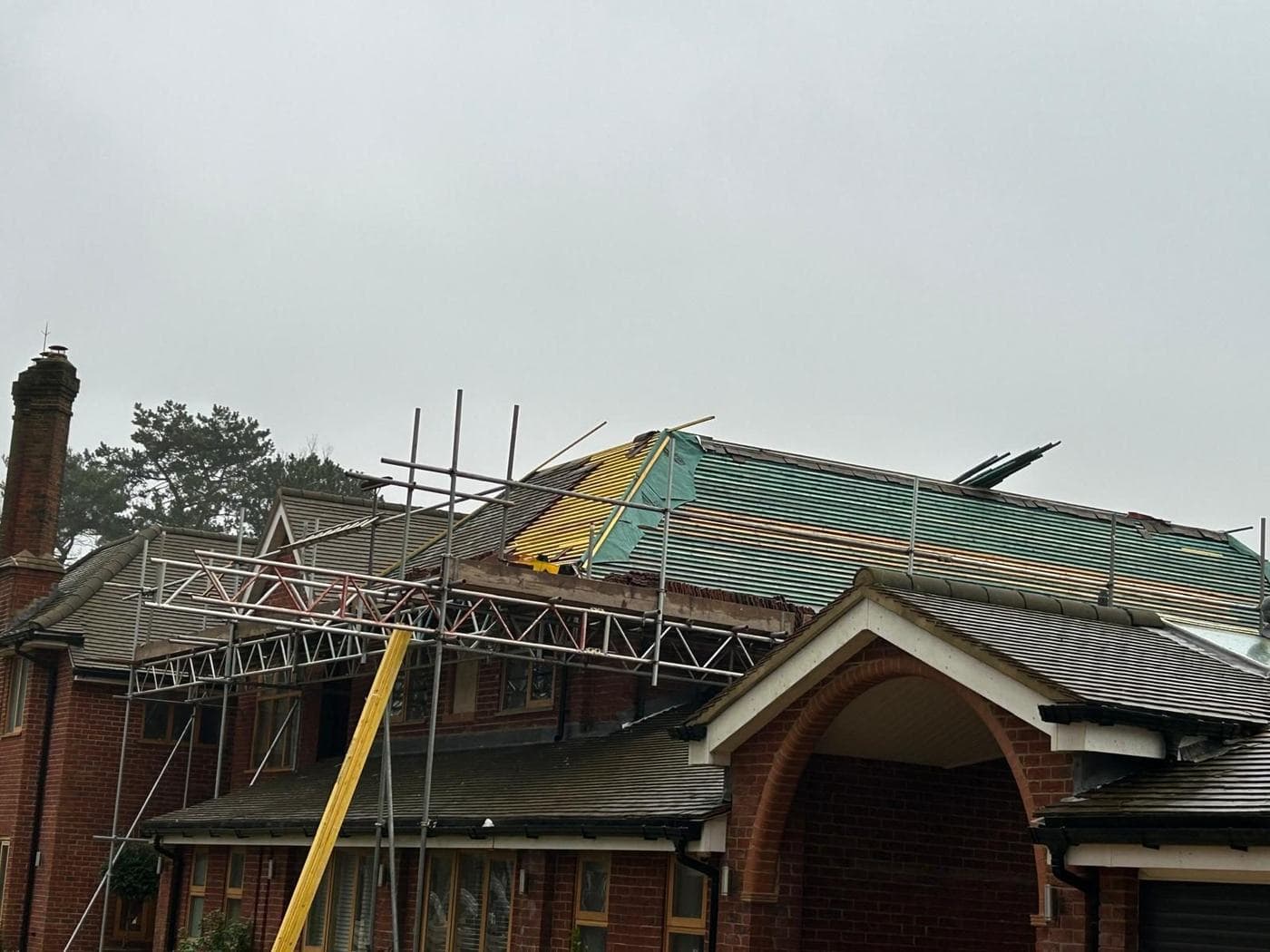
Our new roofs service becomes necessary when underlying materials have reached the end of their lifespan.
Moss Growth and Tile Movement
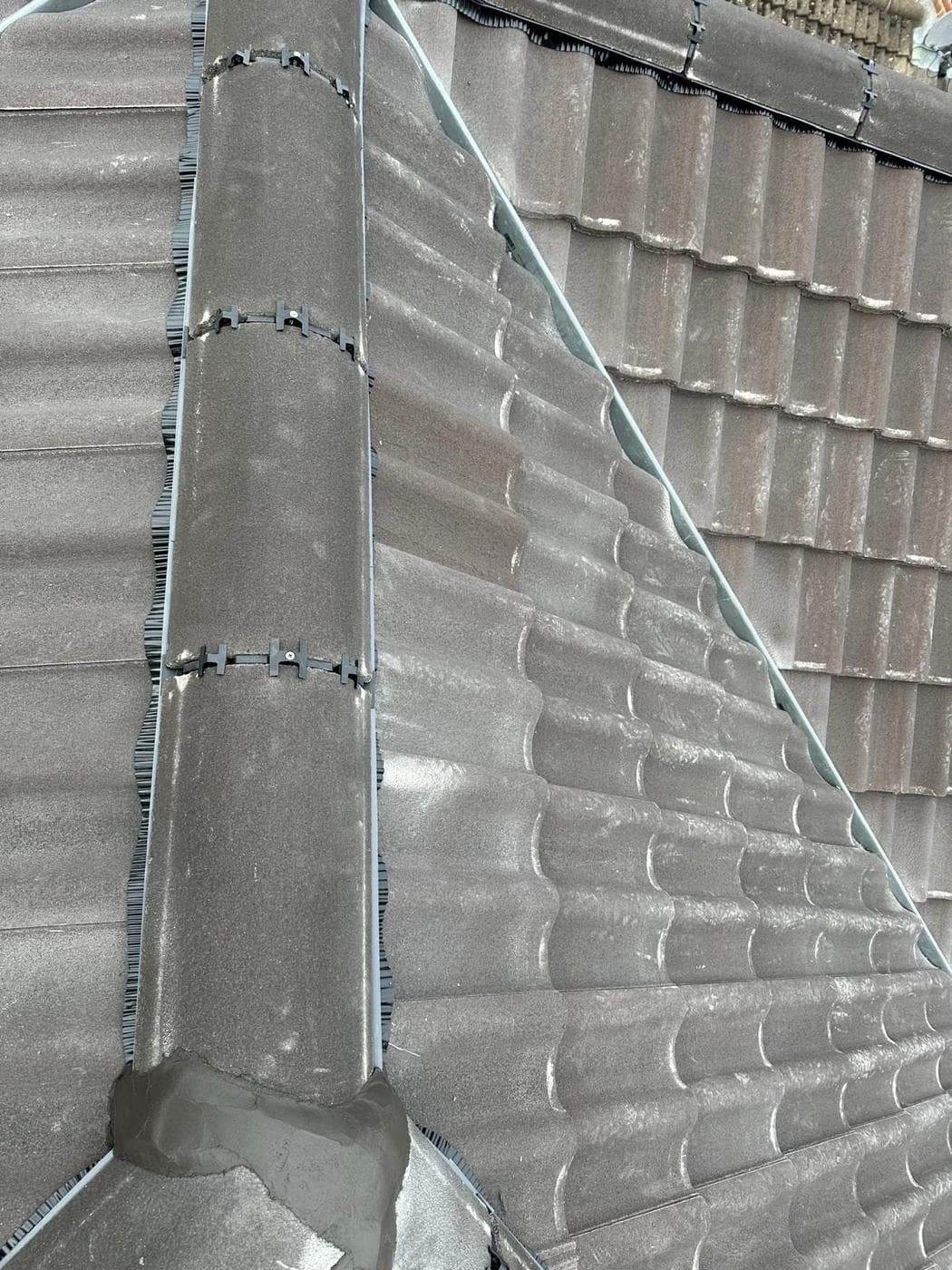
Moss growth often contributes to tile damage. Moss holds moisture and expands over time, which can lift tiles and create gaps.
As a result, water can enter beneath the tiles and cause further deterioration.
Our moss removal service helps prevent this issue by clearing moss and improving drainage.
Regular maintenance reduces the likelihood of needing to replace roof tiles prematurely.
Chimneys and Roof Junctions
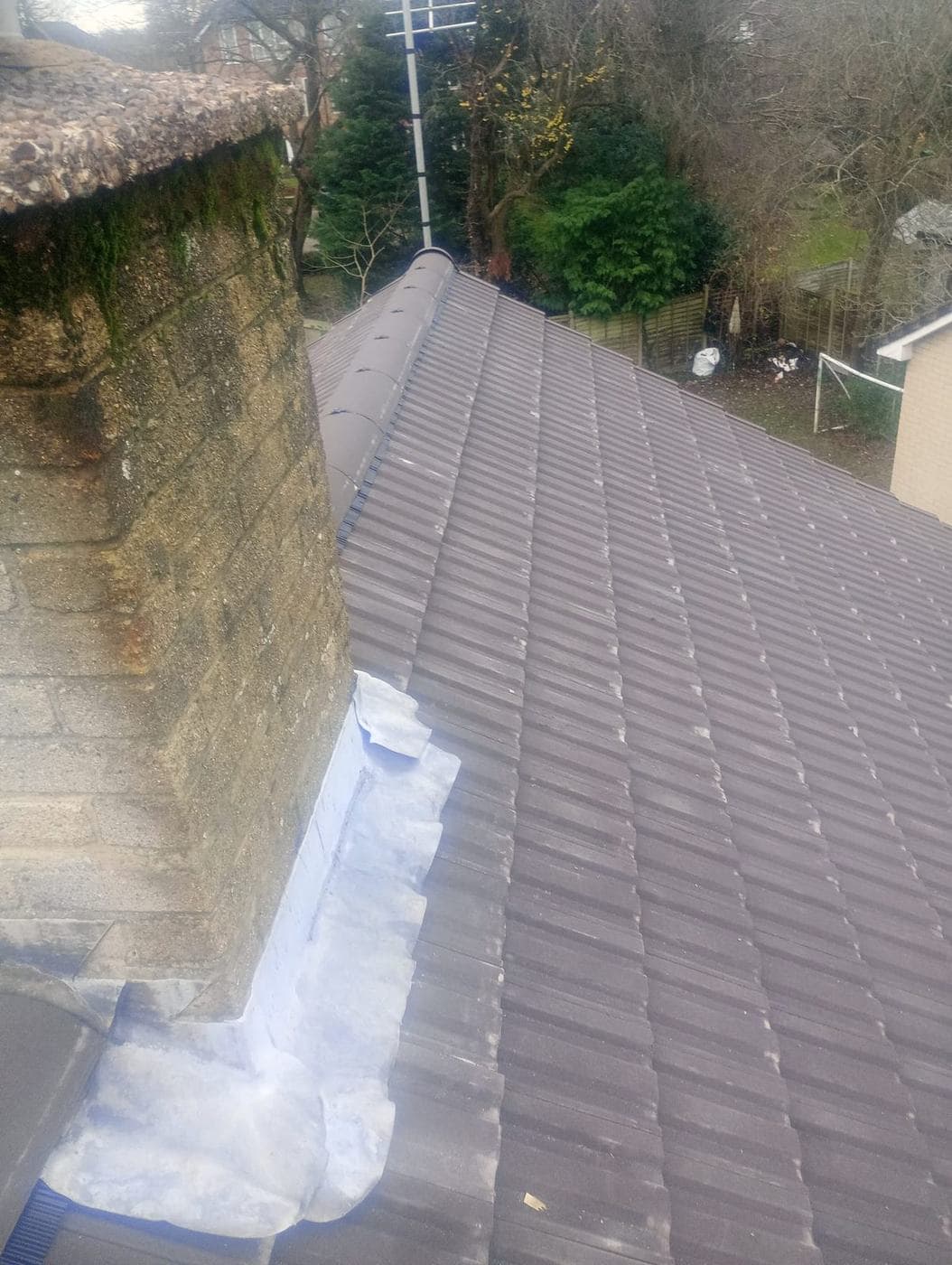
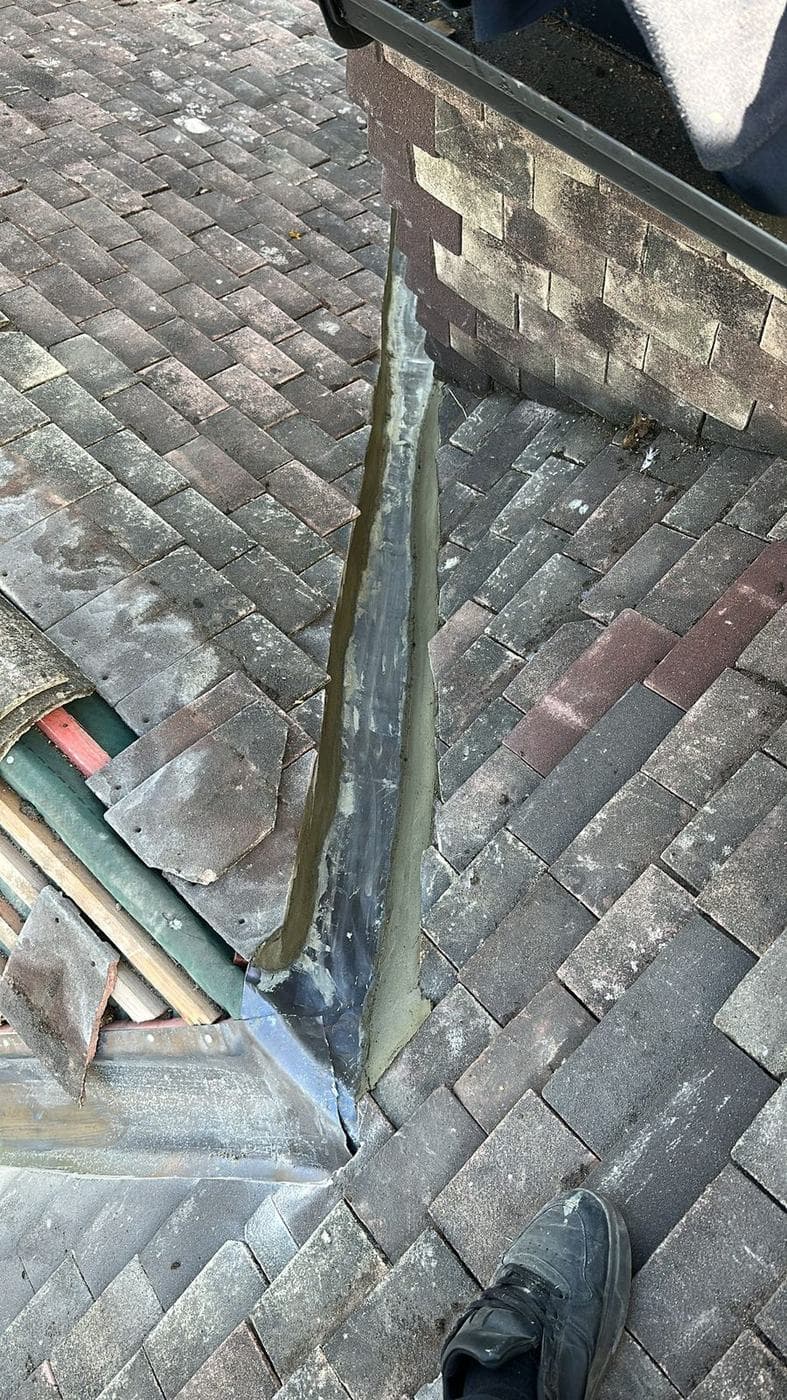
Tile problems often appear around chimneys and roof junctions. These areas experience more movement and exposure than the rest of the roof.
Flashing and mortar around chimneys may fail over time, which allows water to enter and affect surrounding tiles.
Our chimney repairs service often resolves issues that appear to be tile related but actually originate from these vulnerable areas.
Cost Considerations
The cost to replace roof tiles depends on the number of tiles involved and the condition of the roof.
Replacing a small section of tiles is relatively affordable. However, replacing large areas or the entire roof increases the cost significantly.
In practice, homeowners often find that repeated small repairs add up over time. Addressing the issue properly once can provide better long term value.
Building Regulations and Compliance
In some cases, replacing a significant portion of roof tiles must comply with the GOV.UK Building Regulations. These rules ensure proper insulation, ventilation and structural safety.
If more than half of the roof covering is replaced, compliance becomes especially important.
Local Authority Building Control may inspect larger projects to confirm they meet the required standards.
Planning Permission
Most tile replacement work does not require planning permission. However, changing the appearance of the roof or using different materials may require approval.
The Planning Portal roofing permission guidance explains when permission is needed.
Checking this before starting work helps avoid delays.
Energy Efficiency
Replacing roof tiles can also improve energy efficiency, especially when combined with insulation upgrades.
According to the Energy Saving Trust, improving roof insulation significantly reduces heat loss.
In practice, many homeowners choose to upgrade insulation during tile replacement because it improves comfort and reduces energy costs.
Safety and Professional Work
Roofing work involves working at height and handling heavy materials. Professional roofers follow guidance from the Health and Safety Executive to ensure safe working practices.
The HSE Working at Height guidance outlines procedures that protect both workers and homeowners.
Attempting to replace roof tiles without proper equipment or experience can be dangerous.
Real World Perspective
One thing we regularly see is homeowners delaying tile replacement because the problem appears small. However, what actually happens is the damage spreads beneath the surface, especially during wet weather.
By the time leaks become visible indoors, the repair often involves more than just replacing tiles. Acting early usually reduces both cost and disruption.
Trusted Roofing Advice
Choosing when to replace roof tiles requires honest, experience based advice. We are listed on Checkatrade, where genuine reviews reflect the quality of our work and customer service.
Conclusion
Knowing when to replace roof tiles helps prevent leaks, structural damage and ongoing repair costs. While minor issues can often be repaired, widespread tile damage or underlying problems usually require a more comprehensive solution.
If you are unsure about the condition of your roof or need professional advice, you can contact us here. At Rated Roofers & Builders, we provide reliable roofing services across South London and Surrey and are always happy to help you make the right decision for your home.
Need this doing
New Roofs
Stripped back, felted, battened and re-covered to last.