Why Gutter Maintenance Matters
5 min readReece Francis, Roofer
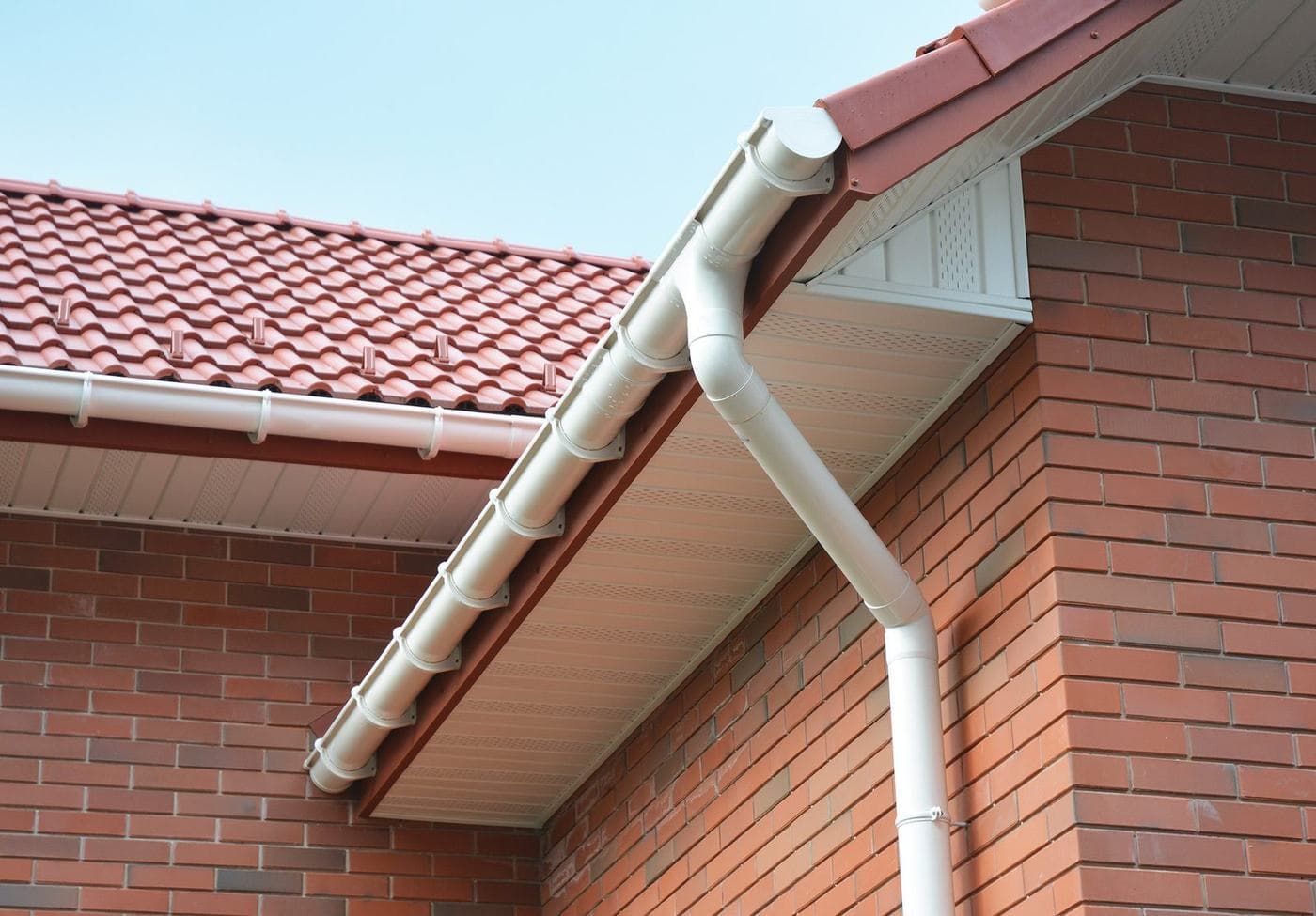
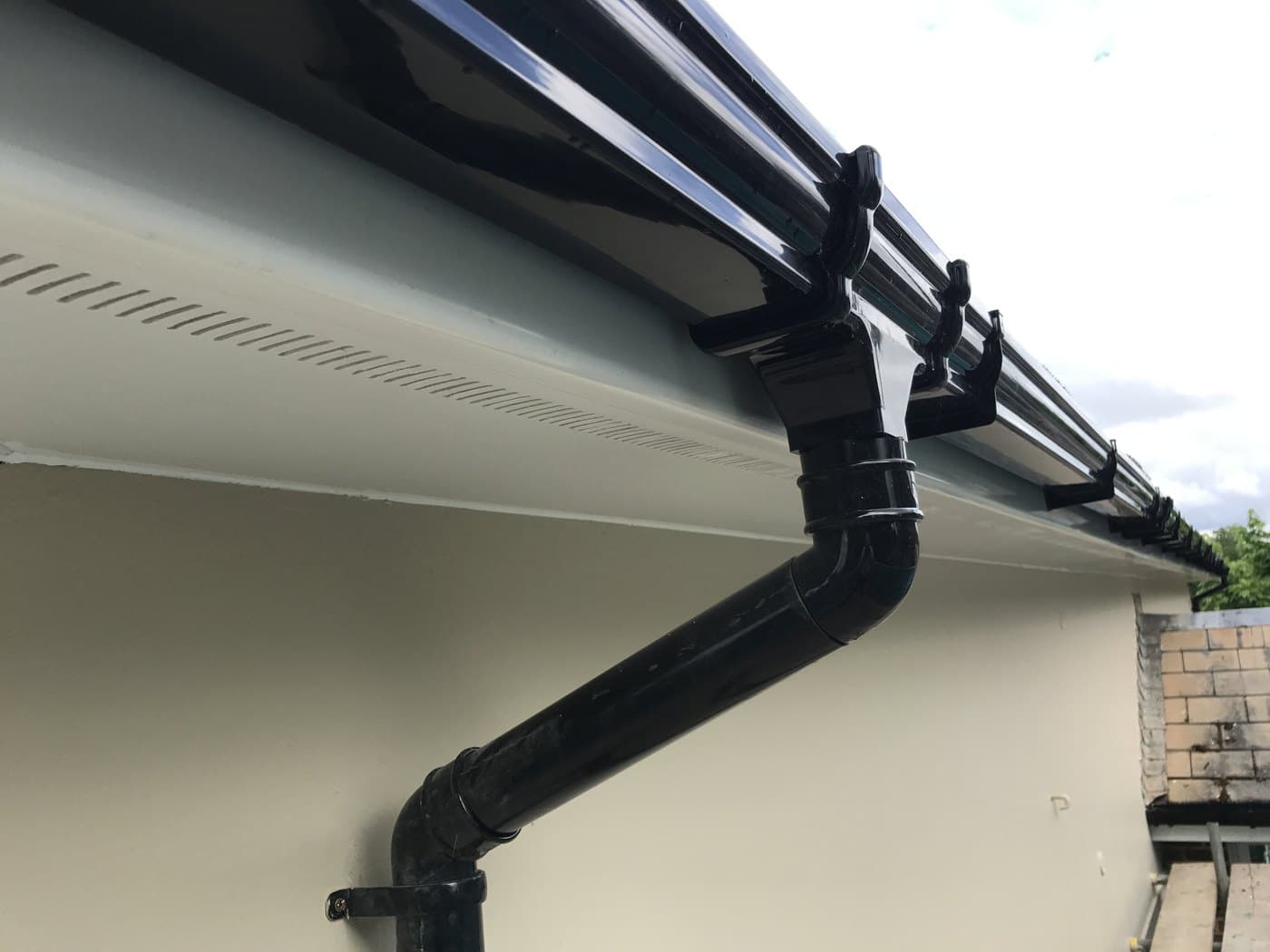
Gutter maintenance matters because the guttering is the only thing standing between a roof's entire rainfall and the walls, timber and foundations underneath it. A pitched roof is designed to shed water fast, and it does. Every drop of that has to be caught at the eaves and taken away in a controlled route to the drain. When that route stops working, the water does not politely stop arriving. It goes over the edge and down the building instead.
The cost of neglect runs in a predictable order. Timber fascias and soffits soften and rot first, usually within a season or two. Brickwork below the overflow stays saturated, which breaks down pointing and eventually shows as damp inside. The gutter itself then fails, because the rotten timber it was screwed to can no longer hold it. Clearing a gutter is one of the cheapest jobs anyone does on a house. Replacing rotten roofline timber, repointing a saturated wall and treating internal damp is not, and by then all three usually need doing at once.
What the guttering is actually carrying
People underestimate the volume. A roof gathers rain across its whole plan area and funnels the lot into a channel a few inches wide and then into one or two downpipes. Rainwater goods are sized against a standard for roof drainage, taking account of the roof area feeding them and the rainfall the location can expect, which is why a system that copes perfectly on a small terrace is not the same system a large hipped roof needs.
That matters for maintenance, because a gutter running at capacity in heavy rain has almost no margin. It does not take much of a restriction to tip a working system into an overflowing one. A partial blockage that would be harmless in drizzle is the reason water is coming over the front edge in a downpour.
What fails, and in what order
The first casualty is nearly always the timber behind the gutter. Water spilling over the back edge, or dripping from a leaking joint, runs straight down the fascia board. Timber absorbs it, swells, and starts to rot from the back where nobody can see it. The paint lifts before the damage is visible, which is the point at which most people assume it needs repainting.
Once the fascia has softened, it stops holding the brackets. The gutter drops out of line, water pools in the low spot permanently, and the rot accelerates. That is the stage where a maintenance job has quietly turned into new uPVC soffits and fascias, because there is no longer sound timber to fix a gutter back to.
At the same time the wall is taking a soaking. Repeated saturation breaks down mortar joints, and on older properties with soft brick you eventually get spalling, where the face of the brick blows off. That becomes a job for brickwork and repointing, and it is entirely avoidable.
Damp inside is the expensive end
Persistent saturation of an external wall shows up indoors sooner or later, usually as a cool patch on an upstairs external wall, sometimes with a musty smell arriving before any visible mark. It is worth being clear that this sort of damp is a building fault and not a matter of how a household lives. The government guidance on damp and mould sets out the health effects and puts responsibility for identifying and fixing the underlying cause on whoever looks after the building, and it makes the point directly that damp is not a lifestyle choice.
Blocked or failed guttering is one of the more common underlying causes and by some distance the cheapest to remove. If you are trying to work out whether what you are seeing is roof, gutter or something else, where the damp patches on ceilings and walls sit in relation to the eaves is the most useful clue you have.
How often, and when
Twice a year is the sensible baseline for most properties, and the timing matters more than the frequency.
In our experience, clearing a gutter twice a year works better than one thorough annual clean because the debris arrives in two distinct waves, nesting material and blossom in spring and leaf fall in late autumn, and a single visit always misses one of them. The autumn one is the visit that genuinely counts, and it needs to happen after the trees have finished rather than in early September while they are still dropping. A gutter cleared too early is often full again before the wet season starts, which is the most common way a household ends up believing maintenance does not work.
Properties with overhanging trees need more. The streets around Croydon, Sutton and the older parts of Wimbledon that are lined with plane and lime trees are the ones we return to most, and on some of those a single autumn visit is genuinely not enough.
What proper maintenance actually involves
Clearing the channel is only part of it, and on its own it is the part least likely to fix anything.
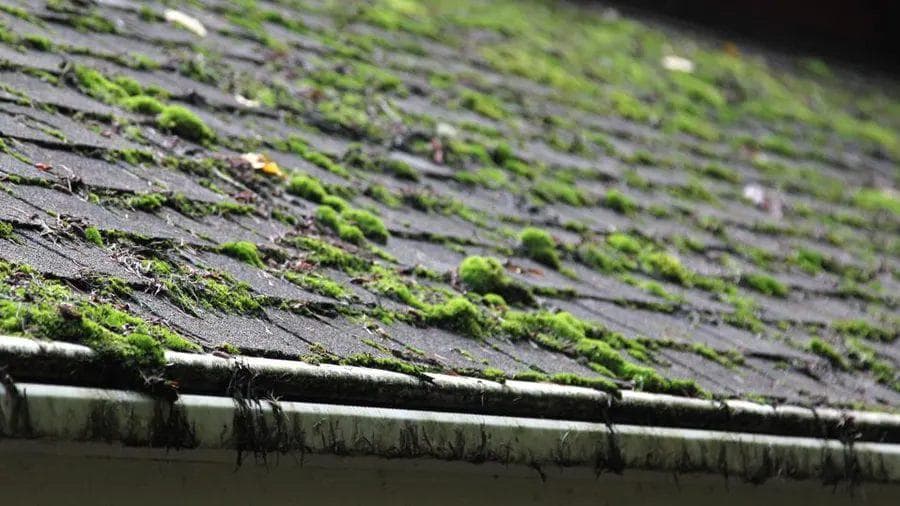
The outlets and downpipes matter more than the run, because that is where material compacts. On the tiled roofs common across this area, what we pull out is more often moss washed off the tiles and grit weathered off older concrete tiles than it is leaves, and that mixture packs into an outlet rather than floating in the channel. Dealing with roof moss at source through proper moss removal reduces how quickly the gutters fill in the first place, which is maintenance done one step further back.
Beyond clearing, a proper visit checks that the run still holds its fall, that the brackets and the timber behind them are sound, that the joints are not weeping, and that water actually discharges from the bottom of the downpipe. Running water through the system afterwards is the only way to confirm any of that. A gutter can look immaculate from a ladder and still not work.
When maintenance stops being the answer
There is a point where clearing is no longer the fix, and it is usually one of three things. The brackets or the timber have failed so the run no longer falls towards the outlet. The system is undersized for the roof feeding it, which is a design problem rather than a maintenance one. Or the material has reached the end of its life, with cracked plastic or rusted-through cast iron.
The test is simple enough. If a gutter has been cleared twice and overflowed twice, the blockage was never the problem.
Rated Roofers and Builders have been roofing across Surrey and South London for over 25 years, covering Croydon, Sutton, Wimbledon, Bromley, Epsom, Kingston upon Thames, Reigate, Redhill and Banstead. We are fully insured with public liability cover, Google Guaranteed and listed on Checkatrade, and all our work carries a company guarantee.
Because the guttering, the roofline timber and the roof covering all fail into each other, it is usually worth looking at them together rather than one at a time, and roof repairs found during a gutter visit are almost always cheaper than the same repair found by a ceiling stain in February. You are welcome to get in touch for a look before the wet months rather than during them.
Need this doing
UPVC Soffits and Fascias
Roofline, guttering and downpipes replaced neatly.