Do You Need Planning Permission for a New Roof?
5 min readReece Francis, Roofer
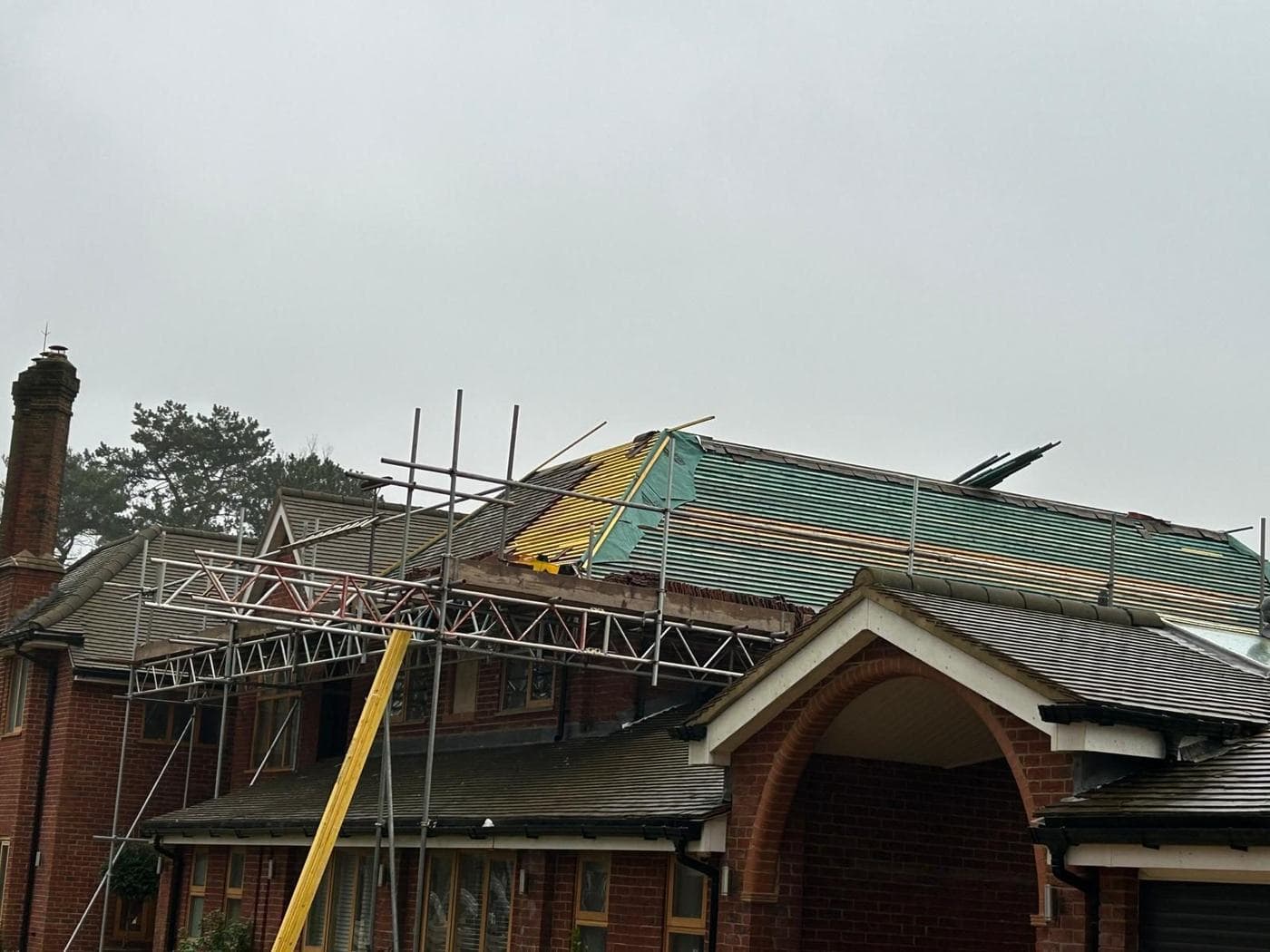
Usually not. Replacing the roof on a house with materials that look the same, at the same height and in the same shape, does not need planning permission in England, because building work that does not materially affect the outside appearance of a building is not classed as development in the first place. Most re-roofs on ordinary houses go ahead without any planning application at all.
The answer changes when the new roof will look noticeably different, when it gets taller or changes shape, when the house is listed, when it sits in a conservation area with extra controls, or when the property is a flat rather than a house. Planning permission is also a separate question from building regulations, and a full re-roof usually involves the second even when it does not need the first.
Why like for like needs no application
Planning law only controls development, so the definition does the work. Under section 55 of the Town and Country Planning Act 1990, building operations that do not materially affect the external appearance of a building are not development, as GOV.UK's guidance on when permission is required sets out. Stripping a worn concrete tile roof and re-covering it in a matching concrete tile, on new battens and membrane, leaves the house looking exactly as it did. There is nothing for the planning system to consider.
The Planning Portal puts it the same way, saying that re-roofing which does not materially affect the external appearance of a house will usually not require planning permission. The word that matters is materially. A slightly different shade of the same tile is not a material change. A completely different material often is.
When the roof will look different
Changing material is where most people get caught out. Swapping natural slate for concrete interlocking tiles, or clay plain tiles for something with a very different profile and colour, can materially change how a house looks, particularly on a street where every other roof matches. Whether it does is a matter of judgement, and it is the council's judgement rather than yours or ours. If you are thinking about a change of material, perhaps weighing up the benefits of slate against tile, ask the council before anything is ordered.
Beyond like for like, houses have permitted development rights that allow some alterations to a roof without an application. Under the government's technical guidance for householders, Class C covers alterations that do not enlarge the house, such as rooflights, as long as the work does not stick out more than 150 millimetres from the existing roof slope and does not rise above the highest part of the existing roof. Raising a ridge, adding a dormer or changing the shape of the roof all fall outside that, and dormers and extensions have rules of their own, which is worth knowing if extensions and conversions are part of the same plan.
Conservation areas and Article 4 directions
Living in a conservation area does not automatically mean you need permission to re-roof. What it often means is that the council has made an Article 4 direction, which withdraws specified permitted development rights across a defined area. Councils use them to protect the details that give a street its character, and roof materials are a common target. A direction can mean that a change most of the country could make freely needs an application on your road.
There are conservation areas right across the boroughs and towns we work in, and the controls can differ from one street to the next. Your council's website lists its conservation areas and any Article 4 directions in force. If you want a definite answer in writing, you can apply for a lawful development certificate, which is the council's formal confirmation that the work does not need planning permission.
Asking the council before ordering materials is safer than going by what the neighbours did, because a direction can cover one side of a road and not the other, and the house next door may well have been re-roofed before the direction was made.
Listed buildings are a different system
If the house is listed, planning permission is the smaller concern. Under section 7 of the Planning (Listed Buildings and Conservation Areas) Act 1990, any alteration that would affect a listed building's character as a building of special architectural or historic interest needs listed building consent, and under section 9 carrying out that work without consent is a criminal offence. Re-covering a listed roof in a different material can easily fall inside that, and so can details that look minor, such as the type of slate or how the ridge is finished. Speak to the council's conservation officer before any work is priced, and expect them to want matching materials and methods.
Flats and maisonettes
Householder permitted development rights belong to houses. The government's technical guidance is explicit that they do not apply to flats and maisonettes, so a flat has none of the freedom described above. A genuinely like for like repair is still not development, but anything beyond that is far more likely to need an application. Flats also bring the freeholder and the lease into it, because the roof of a block or a converted house is very often not the leaseholder's to change at all, whatever the planning position.
Building regulations are a separate question
Not needing planning permission does not mean the council has no interest. Building regulations are about how the work is done rather than how it looks, and the Planning Portal's guidance on work to an existing roof says an application is not normally needed where less than half of the roof, and less than a quarter of the whole building envelope, is affected. A full re-roof goes beyond that. Approval is also needed for structural alterations, for a covering that would perform significantly differently in a fire, and for a new material that adds 15 per cent or more to the weight of the roof covering. When a whole roof is renewed, the insulation usually has to be brought up to standard as part of the job.
Ask who is dealing with building regulations before work starts, and keep the completion certificate at the end. A buyer's solicitor will ask for it when you come to sell, and it is far easier to collect on the day than to chase years later.
Before you book the work
A few questions settle almost every case.
- Is the house listed? If so, talk to the conservation officer first
- Is it in a conservation area, and does an Article 4 direction cover roofs on your street?
- Will the new roof look materially different, in material, colour, profile or shape?
- Is it a house, or a flat or maisonette?
- Who is handling building regulations, and will you get a completion certificate?
If the answers are no, no, no, house and a clear plan for building regulations, you are very likely free to go ahead. Once the paperwork side is settled, our guides to preparing your home for roof replacement work and what to expect during a roof replacement cover the practical side.
Getting a new roof priced
The team at Rated Roofers and Builders has over 25 years in roofing and building, working across Surrey and South London, in Croydon, Sutton, Epsom and the other towns we cover. When we price a new roof, we will tell you whether the covering you have in mind is a like for like replacement, and flag anything that looks as though it needs a word with the council first, whether that is slate on a period terrace or tiles on a semi. Contact us or get a free quote and we will start with the questions above.
Need this doing
New Roofs
Stripped back, felted, battened and re-covered to last.