How to Extend Roof Life
6 min readReece Francis, Roofer
You extend the life of a roof by doing three things well, which are catching small faults before they turn into big ones, keeping water moving off and out of the roof, and maintaining the vulnerable details that fail long before the tiles do. None of it is complicated, and none of it is expensive compared with the cost of a roof that fails decades early. The single biggest lever is time, because a slipped tile fixed this month is a cheap job, while the same tile left for two winters lets water into the battens, the underlay and eventually the rafters, at which point it is no longer a cheap job.
It helps to know what you are working with. Every covering has a baseline lifespan, with natural slate lasting anywhere from 80 to well over 100 years, clay tiles 60 to 100, concrete tiles 40 to 60, and felt flat roofs 10 to 20. Maintenance moves every one of those figures up or down, sometimes by decades. From working with clients across South London and Surrey, the roofs that reach the top of their material's range almost always share one thing, which is that problems were dealt with when they were still small. The rest of this guide is how you get there.
Know where a roof actually fails
Roofs rarely fail because the covering wears out. More often something beneath or around the tiles goes first. On an old slate roof, it is usually the fixings rather than the slate, because the original iron nails rust through after 80 to 100 years and the slates begin to slip while the slate itself is still sound. On concrete tiles, the surface coating weathers away after 20 to 30 years and the tile slowly becomes porous. Ridge mortar that keeps cracking and needing repair is often a sign the whole roof is moving on tired battens rather than a problem with the mortar itself.
Knowing this changes how you look after a roof, because it tells you that the fixings, battens, flashings and drainage deserve as much attention as the tiles, and that many roofs can be kept going for years by dealing with those elements rather than replacing the whole covering.
Keep water moving off the roof
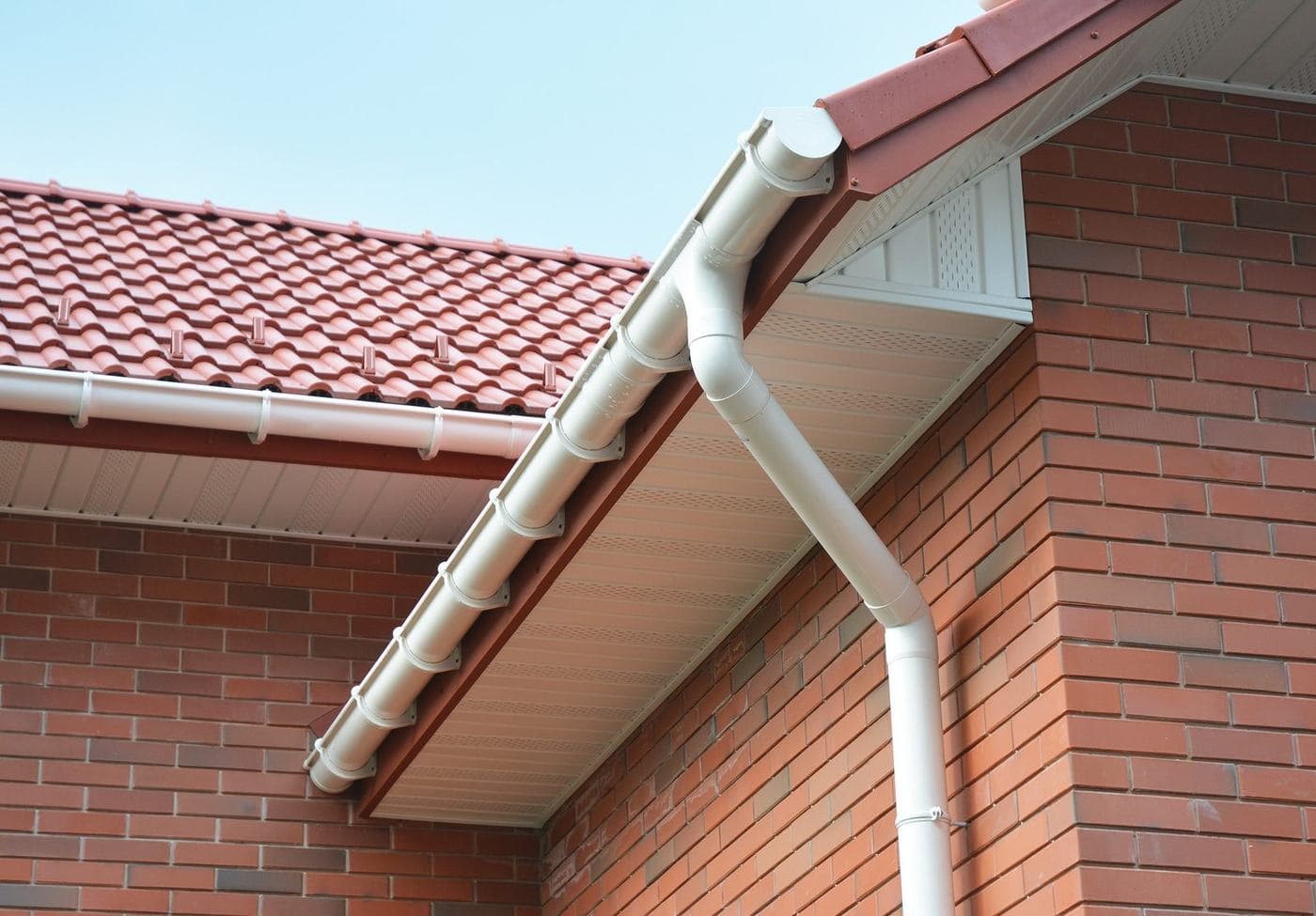
Water sitting where it should be running away is the most common cause of premature roof failure we see. We've found that blocked gutters are behind more early roof problems than any single fault in the covering, because when a gutter overflows, water runs down the wall, back under the eaves, and into the timber and fascia rather than away from the building.
Clearing gutters and downpipes twice a year, checking that valleys between roof slopes are clear, and making sure water actually reaches the drains keeps the whole system doing its job. Where the soffits and fascias or guttering have already started to fail, replacing them promptly stops the rot spreading into the roof structure behind.
Deal with small damage before it spreads
A single slipped or cracked tile is not urgent in the sense that the ceiling will not come down tomorrow, but it is the beginning of the process that shortens a roof's life. Water gets past the covering, soaks the underlay and battens, and works its way in slowly and invisibly. By the time it shows inside, the hidden damage is usually well established.
The answer is simply to act on small faults quickly. Prompt roof repairs to a handful of tiles, a length of flashing or a section of pointing cost very little and add years to a roof, whereas the same faults ignored are what turn a repairable roof into a replacement.
Keep the roof clean
Moss looks harmless but works against a roof in several ways. It holds moisture against the covering, it can lift the edges of tiles and slates, and when it washes down it blocks the gutters and valleys that are meant to keep water moving. On shaded, north-facing and tree-covered slopes it builds up fastest. Whether roof moss needs removing depends on how much there is and what it is doing to the tiles beneath, but keeping a roof reasonably clear of it, and keeping overhanging branches cut back, removes one of the quiet contributors to early wear. Professional moss removal done carefully is worthwhile, though aggressive pressure washing can do more harm than the moss itself, so it needs a considered approach.
Maintain the details that fail first
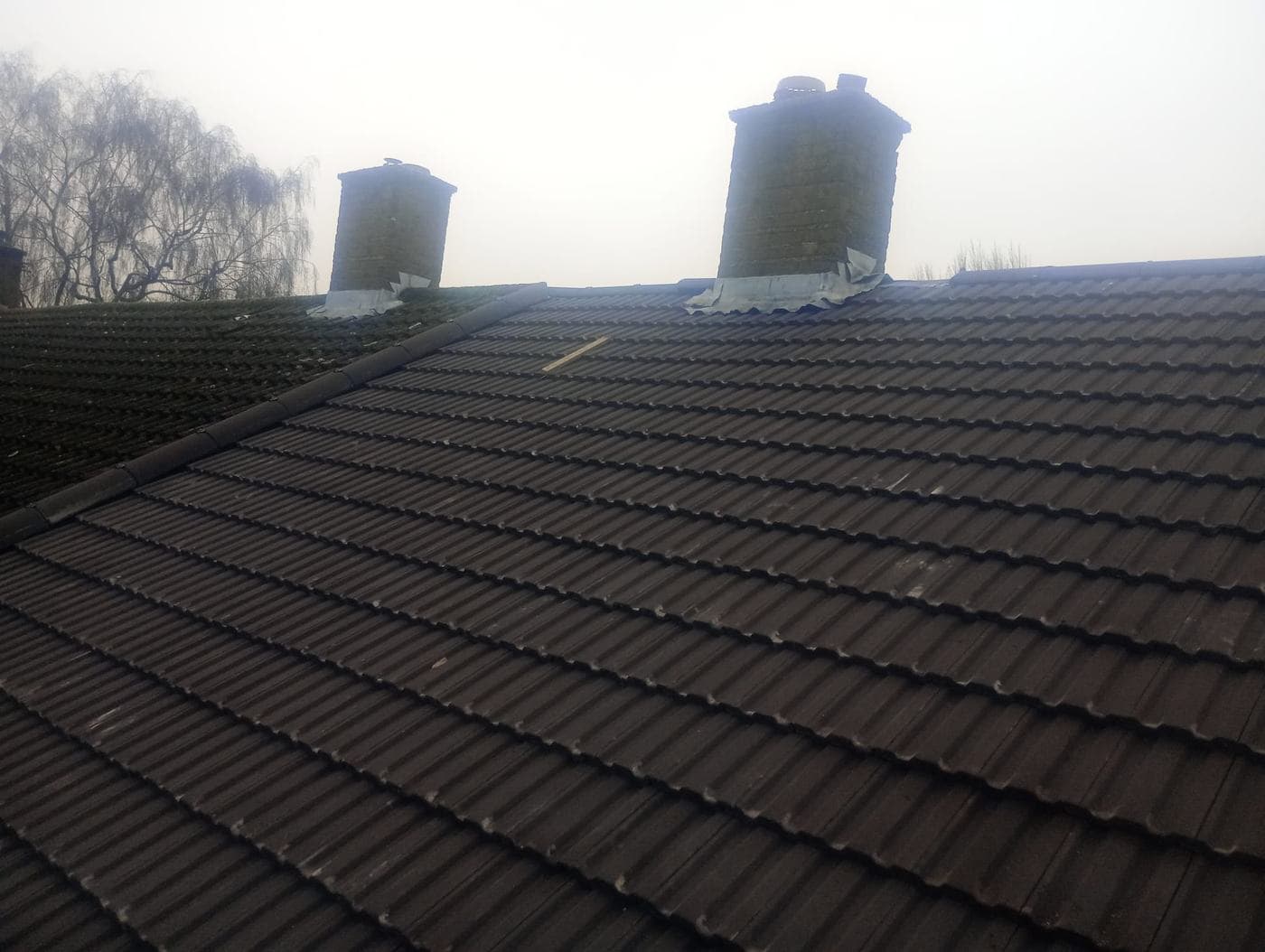
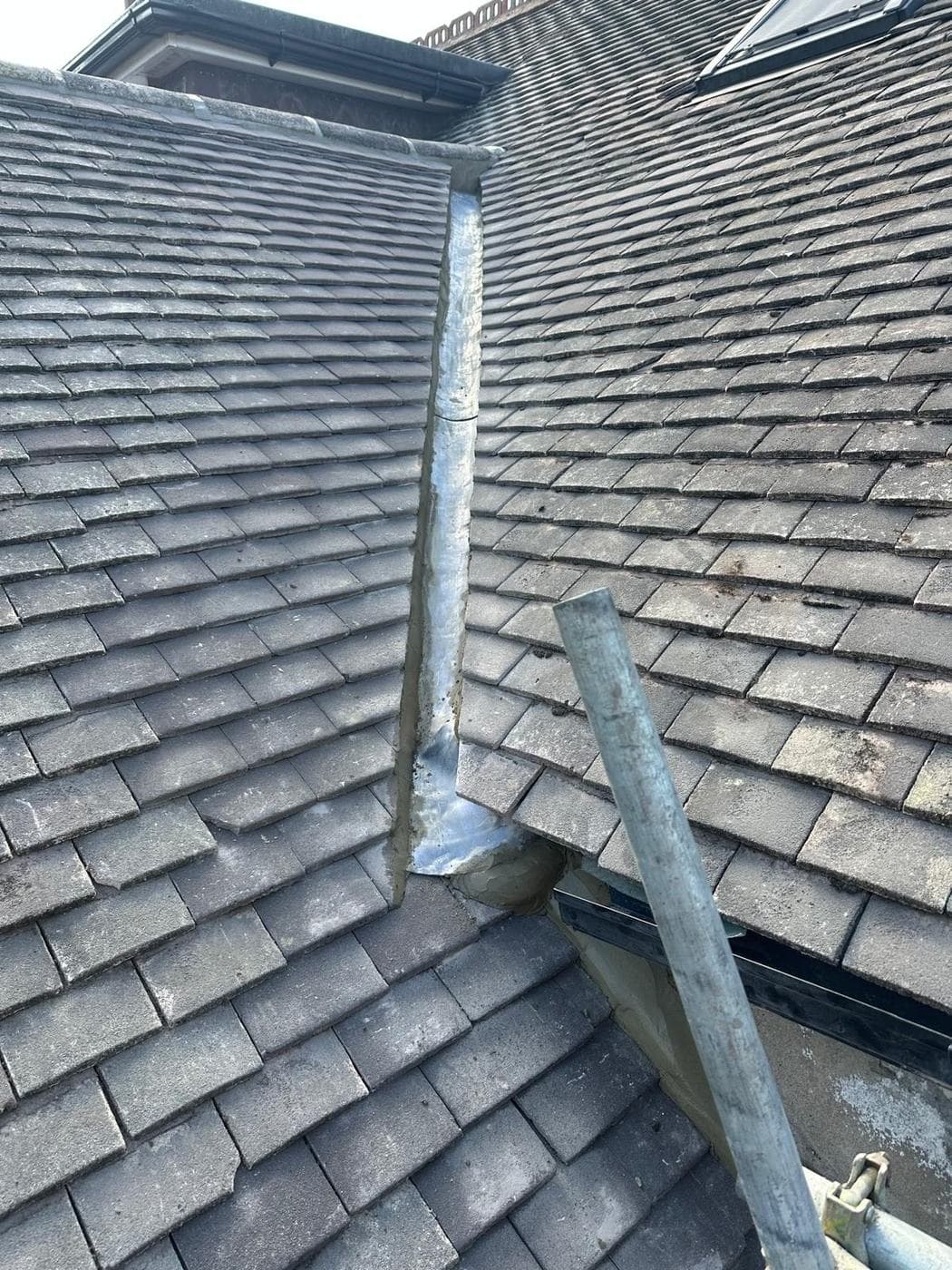
The junctions are where roofs leak, so they are where maintenance pays off most. Flashings around chimneys, in valleys and against walls, the mortar on the ridge and at the verges, and the pointing on a chimney stack all weather faster than the main covering and all let water in when they go. Lead is the longest-lasting flashing material there is, but even lead cracks at the fixings if a section is run too long, because it expands and contracts with temperature, so the detailing matters as much as the material. Checking these points and renewing them before they fail is central to keeping the roof beneath them dry.
Do not forget ventilation
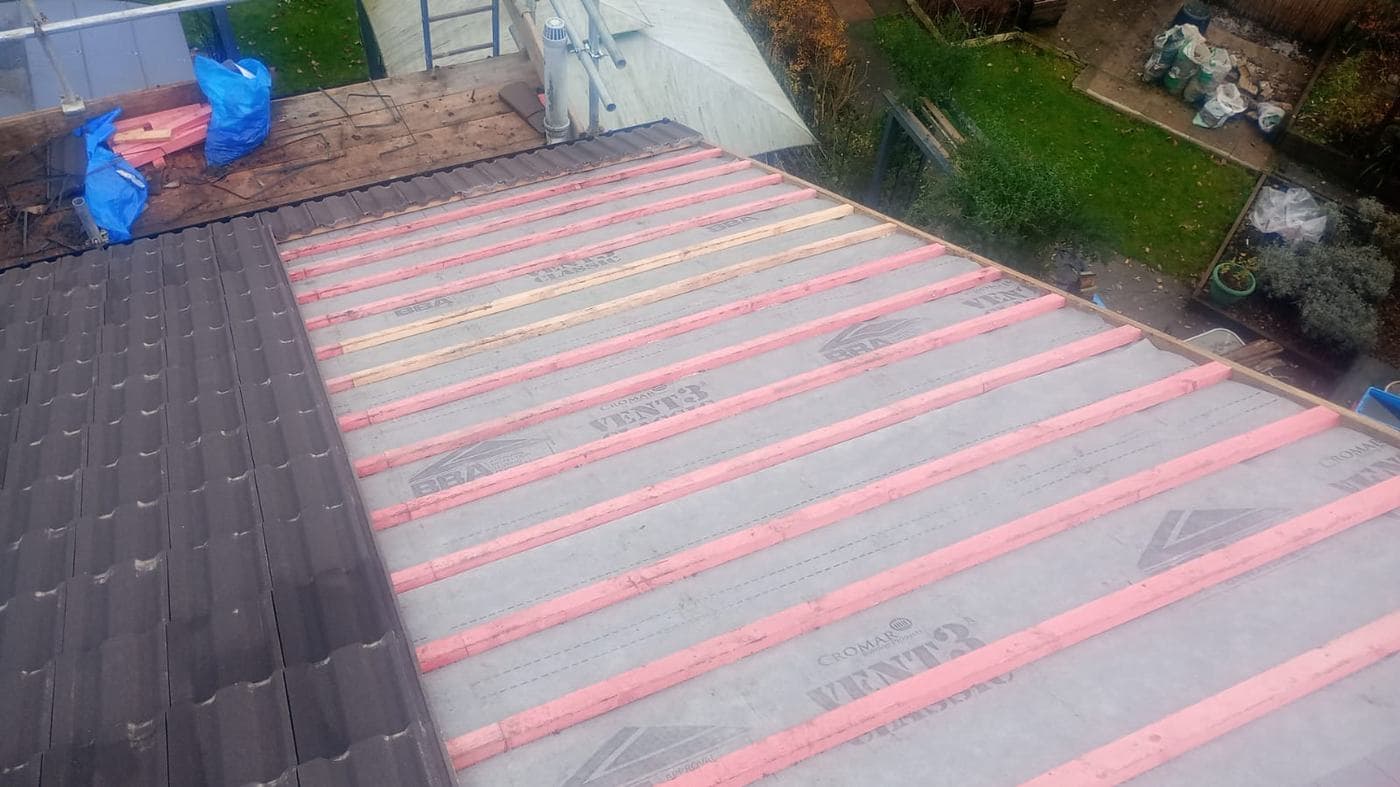
This is the part homeowners most often miss. A roof space needs to breathe, because without airflow the warm, moist air that rises from the house condenses on the cold underside of the roof and quietly rots the battens and rafters from beneath. Insulation and ventilation have to work together, and blocking the airflow at the eaves while insulating the loft is a common way to create a hidden decay problem. This is also why spray foam sprayed to the underside of a roof causes so much trouble, because it covers the timbers so their condition cannot be checked and can trap moisture against them. We are one of the few firms in the area that removes spray foam, so where it is already in place the roof can be inspected and put right rather than left to deteriorate out of sight.
Inspect regularly and use the right people
Everything above depends on noticing problems early, which means looking. A check from ground level with binoculars twice a year, after summer and after the worst of the winter weather, catches most developing faults, and a professional inspection every few years finds the things that are hard to see from below.
In our experience, a scheduled annual inspection works better than waiting for a leak to appear because the small faults that shorten a roof's life, a slipped tile, a hairline crack in a flashing, a gutter starting to block, are cheap to fix when found early and expensive once water has been getting in for a season. This is the same reason that regular roof maintenance saves homeowners money over the life of a roof, because prevention is always cheaper than repair.
It also matters who does the work, because poor workmanship is one of the fastest ways to shorten a roof's life. Using a vetted, accredited contractor is a genuine longevity factor, and the guidance from the National Federation of Roofing Contractors on choosing a roofing contractor is a sensible place to start, including getting more than one quote and not simply taking the cheapest.
How we help
Rated Roofers and Builders helps homeowners get the full life out of their roofs across South London and Surrey, through roof repairs, maintenance, moss removal, chimney and flashing work, and full new roofs when a covering has genuinely reached its end. We are a family run business with over 25 years in roofing and building and more than 50 successful projects completed, fully insured with public liability cover and Google Guaranteed. All our work carries a company guarantee, and we run a 24 hour emergency callout for the sudden leaks and storm damage that, left unaddressed, take years off a roof.
What to do next
If you want your roof to reach the far end of its lifespan rather than fail early, start with the simple things, which are clearing the gutters, keeping an eye on the covering from ground level, and acting on small faults quickly. For anything that needs a closer look, or a proper condition assessment, get in touch or request a free quote.