Roof Repair or Replacement
5 min readReece Francis, Roofer
Most roof problems are a repair, not a replacement. A single fault, a few slipped tiles, a failed flashing, a localised leak, is almost always fixable, and a leak on its own very rarely means you need a whole new roof. From working with clients across South London and Surrey, most people who call expecting to be told they need a full replacement do not need one. So if you are weighing up roof repair or replacement, the honest starting point is that the odds favour repair.
Replacement becomes the right answer in a smaller set of situations, which are when the covering has failed across the whole roof rather than in one place, when the underlay and battens beneath the tiles have reached the end of their life, or when you are paying for the same repair over and over. The decision really comes down to two questions. Is the problem localised or spread across the roof, and has water already reached the structure. Everything below sets out the signs that point each way, the grey area in between, and the one cost that catches most people out.
When repair is the right call
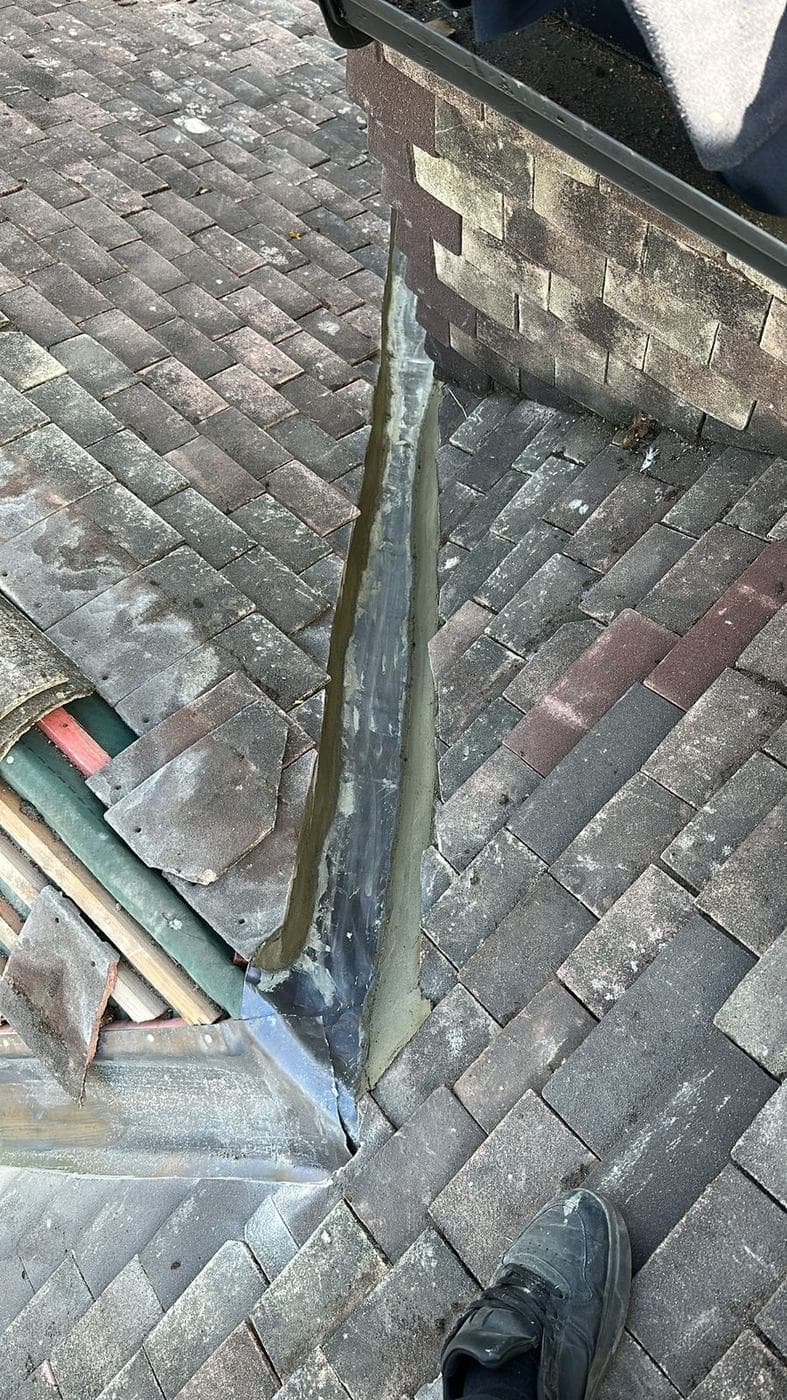
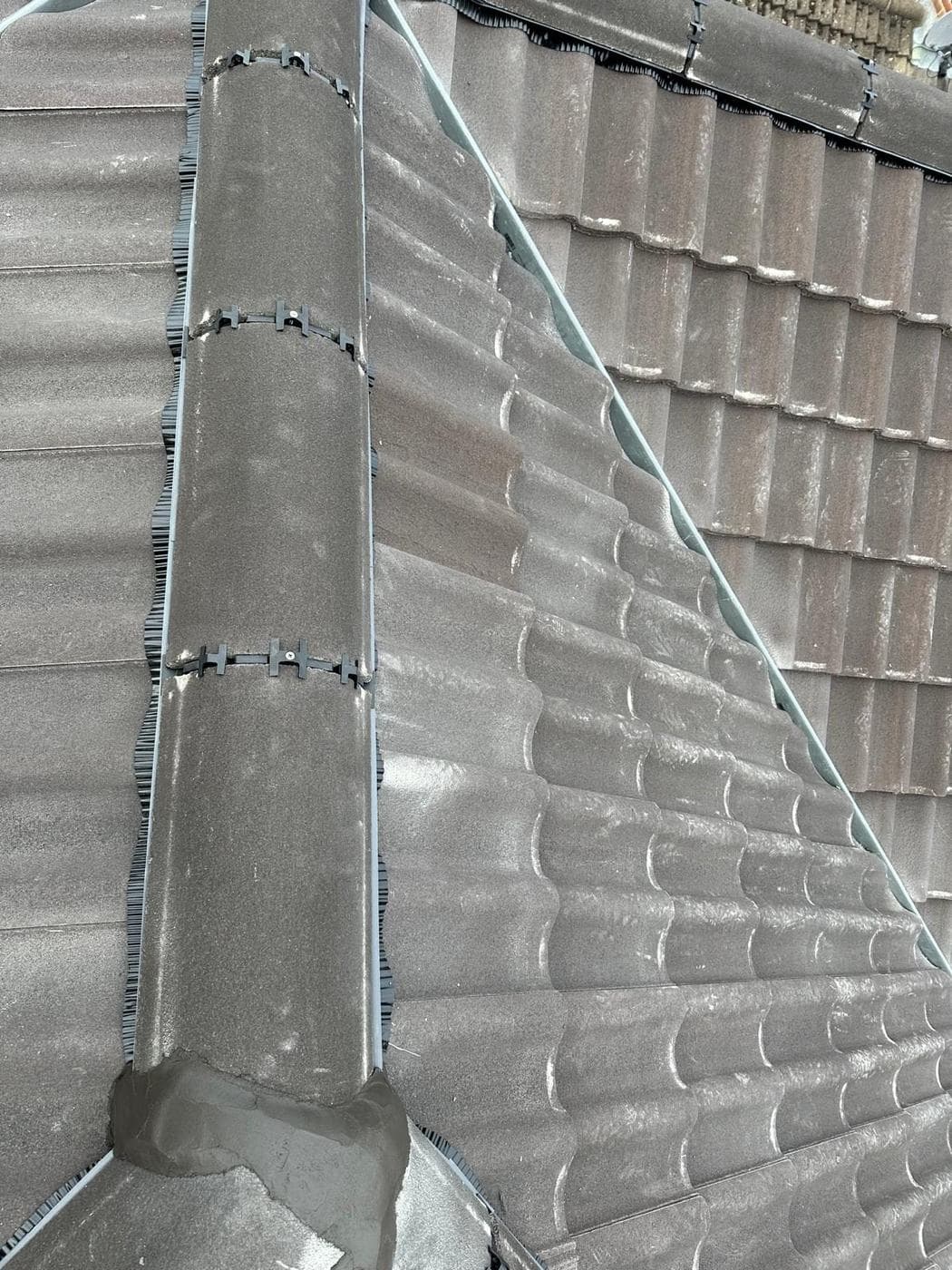
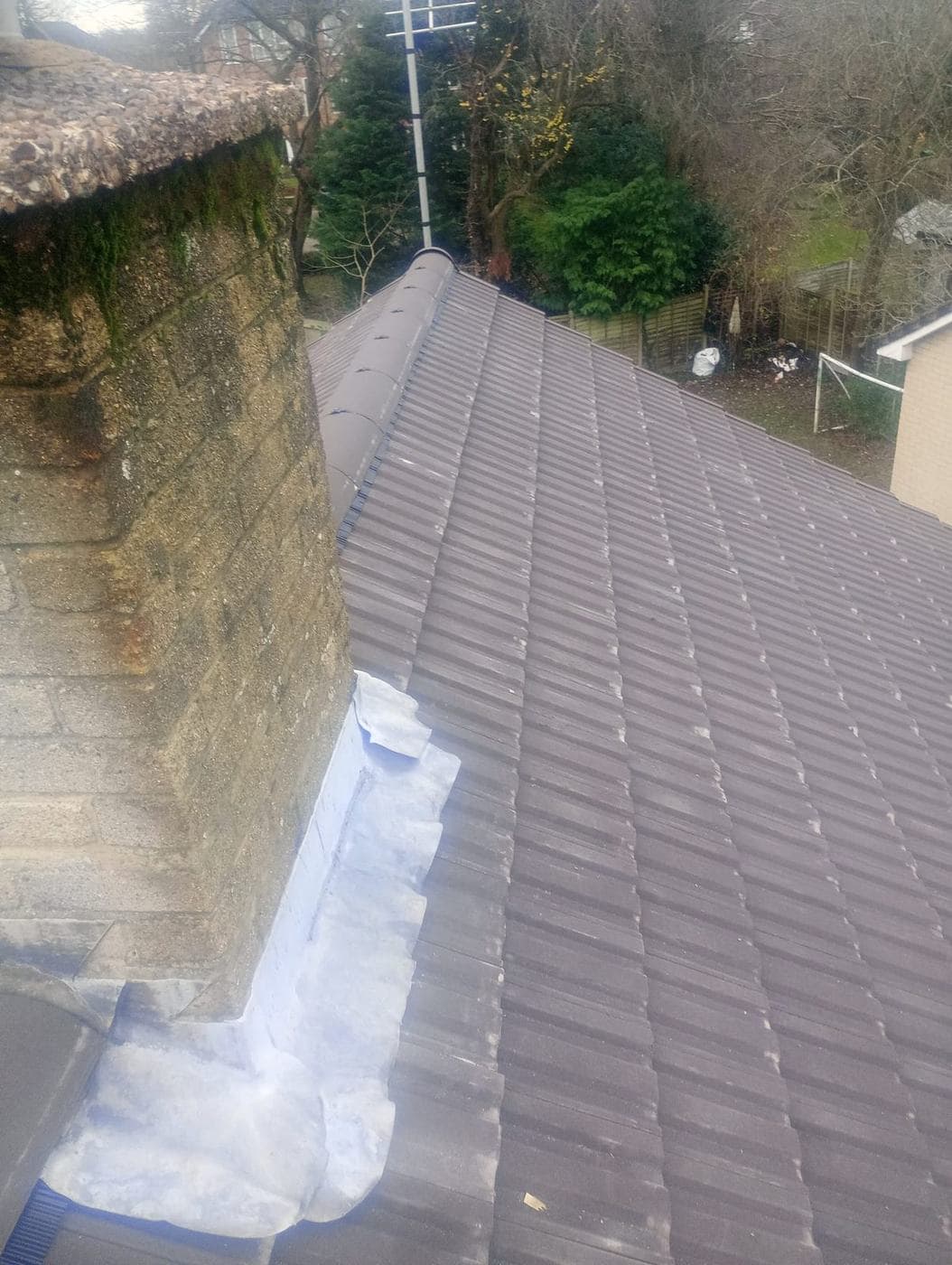
Repair is almost always the sensible choice when the damage is contained and the rest of the roof is sound. A handful of slipped or cracked tiles, a length of failed flashing around a chimney or in a valley, worn pointing on the ridge, or a single leak traced to one clear cause are all straightforward jobs on an otherwise healthy roof.
Storm damage is the clearest example. When wind lifts a section of tiles or a branch cracks a few, the surrounding roof is usually fine, and replacing the damaged area restores it fully. The same is true of most leaks. A leaking roof is one of the most common reasons people fear the worst, but the majority of leaks come from a specific failed detail rather than a roof that has given up, and fixing that detail solves the problem. The test is not whether there is damage, but whether the damage is isolated and the covering around it still has life left.
When replacement makes more sense
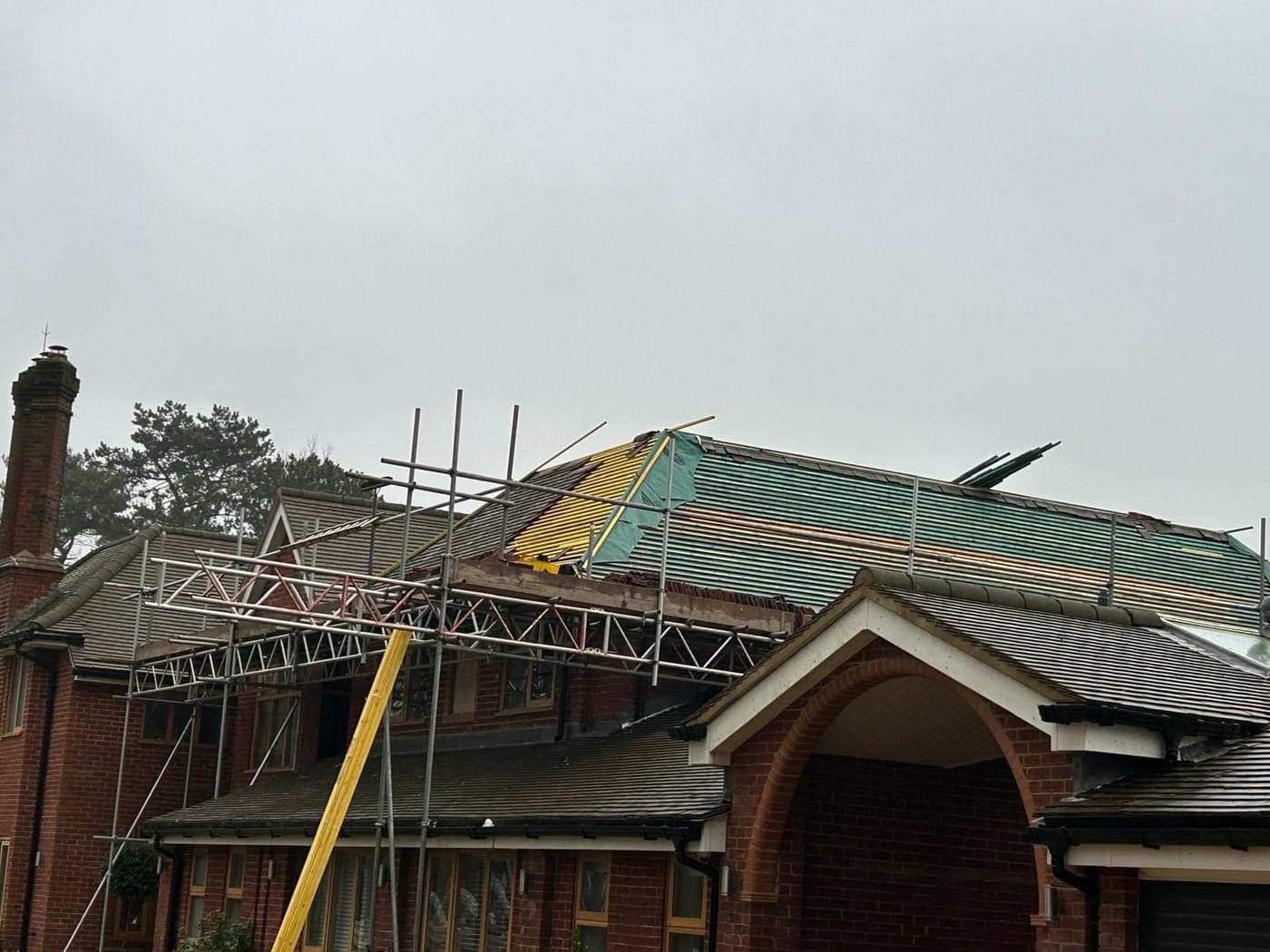
Replacement moves ahead of repair when the problems stop being isolated. The signs that point this way include roof tiles failing across the whole roof rather than in patches, an underlay that has become brittle and is breaking down, battens that are rotten or no longer holding fixings, and slate roofs where the nails are corroding throughout so slates are slipping everywhere at once rather than in one spot.
The other clear signal is repetition. We've found that the deciding factor is almost never age on its own, but the pattern of repairs. As a rough guide, once the same roof needs its third repair in a couple of years, the money spent patching it would be better put towards replacing it, because each repair is buying less and less time. Widespread damp reaching the timbers, and structural movement or sagging, also tip the balance, because at that point you are no longer maintaining a roof but propping up one that has failed.
The grey area, and how to decide
Between the clear repair and the clear replacement sits a large grey area, and this is where homeowners are most often steered wrong. A roof can look tired from the ground and still have years left, or look acceptable and be failing beneath the surface. Age is a poor guide on its own, because a well maintained older roof with sound timbers will outlast a newer one that has been neglected.
In our experience, a proper assessment from inside the loft works better than a decision made from the ground because the things that actually settle the question, the state of the underlay and battens and whether water has reached the timber, cannot be seen from the pavement. Spray foam makes this harder still, because it covers the rafters and hides exactly what you need to look at, which is one reason we remove it and inspect properly rather than guessing at what is underneath. The right decision comes from looking at the whole roof, inside and out, not from a glance at the tiles.
The cost most people miss
There is one cost that changes the repair or replacement maths and that most homeowners do not know about. Under the Building Regulations, a roof is treated as a "thermal element", and replacing the covering counts as renovating it. In practice this means that once you replace more than about a quarter of a roof, the insulation normally has to be brought up to current standards at the same time, so a full re-roof is rarely a simple like-for-like swap on price. The Planning Portal explains this in its guidance on re-roofing.
This is worth knowing before you decide, and it cuts both ways. It adds to the cost of a replacement, which makes a sound repair look even more sensible where one is possible. But where replacement is genuinely needed, it also means you come out of it with a warmer, cheaper to heat home, so the extra spend is not wasted.
The false economy runs both ways
The wrong decision is expensive in either direction. Over-repairing a roof that has actually failed means paying repeatedly for fixes that buy months, when that money would have been better spent once. But the opposite is just as common, which is being sold a full replacement for a roof that only needed a repair, usually by someone whose interest lies in the larger job.
This is why an honest assessment matters more than a quick quote. The right question for any contractor is not simply what it costs, but why they are recommending repair or replacement, and what they actually found to support it. A contractor who can show you the failed battens or the corroded nails is giving you a reason. One who leads with a replacement quote before looking properly is not.
How we help
Rated Roofers and Builders carries out both roof repairs and full new roofs across South London and Surrey, which means we have no reason to push you towards one when the other is right. We assess the whole roof, tell you honestly whether it is a repair or a replacement, and explain what we found. We are a family run business with over 25 years in roofing and building and more than 50 successful projects completed, fully insured with public liability cover and Google Guaranteed. All our work carries a company guarantee, and we run a 24 hour emergency callout for active leaks and storm damage.
What to do next
If your roof has a problem and you are not sure whether it needs repairing or replacing, do not assume the worst and do not let anyone rush you into a full replacement without evidence. Get it properly assessed, inside and out, by someone who will explain their reasoning. For a straight answer on whether your roof needs a repair or a replacement, get in touch or request a free quote.
Need this doing
New Roofs
Stripped back, felted, battened and re-covered to last.