
What Time of Year is Best for Roofing Work?
So, What Time of Year Is Best for Roofing Work
Homeowners often ask what the best time of year for roofing work is. While roofing can take place in most seasons, certain times of year offer better conditions for efficiency, safety and long term performance. Weather, daylight hours and material behaviour all influence how smoothly a project runs.
I regularly carry out roofing projects across South London, Surrey and Sussex in every season. Understanding how each part of the year affects roofing work helps homeowners plan properly and avoid unnecessary delays.
Why Weather Conditions Matter
Roofing materials respond to temperature and moisture levels. For example, extremely cold weather can make certain materials more brittle. On the other hand, heavy rain can slow progress and increase safety risks.
Because of this, dry and moderate weather conditions generally create the most stable working environment. However, modern roofing systems allow skilled roofers to work effectively throughout much of the year.
The key factor is not simply the season, but the specific weather conditions during the project.
Spring Roofing Work
Spring often provides favourable conditions for roofing. Temperatures usually remain moderate, which helps materials perform properly during installation.
In addition, spring allows homeowners to address damage caused by winter storms and frost. Because freeze thaw cycles often loosen tiles and crack mortar, spring inspections frequently reveal issues that require attention.
Scheduling work in spring also prepares the roof for heavier summer rain and occasional storms.
Summer Roofing Work
Summer offers longer daylight hours and generally drier weather. These factors allow roofing teams to work efficiently and complete projects quickly.
However, extremely high temperatures can affect certain materials. For example, prolonged heat may soften bitumen based systems or cause temporary expansion in tiles.
Despite this, summer remains a popular time of year for roofing work because weather disruptions occur less frequently.
Autumn Roofing Work
Autumn provides another suitable window for roofing projects. Temperatures usually remain moderate, and conditions often remain stable during early autumn.
Importantly, carrying out roofing work before winter helps prevent frost related damage from worsening existing issues.
Leaves and debris during autumn can block gutters and increase moisture retention. Therefore, inspections and maintenance during this period prove particularly valuable.
Winter Roofing Work
Many homeowners assume winter is unsuitable for roofing. While harsh winter weather can delay certain projects, roofing still takes place during this season.
Professional roofers adapt their approach based on conditions. For example, they may avoid working during heavy rain, ice or strong winds. However, on clear and dry winter days, roofing work can proceed safely.
Emergency repairs often take place during winter, especially after storms.
Emergency Repairs Versus Planned Projects
The time of year for roofing work matters most when planning large projects such as full roof replacements.
However, emergency repairs should not wait for ideal weather. Loose tiles, flashing failure or storm damage require prompt attention to prevent internal damage.
Our roof repairs service operates throughout the year because delaying urgent work often increases costs.
Flat Roofing and Seasonal Considerations
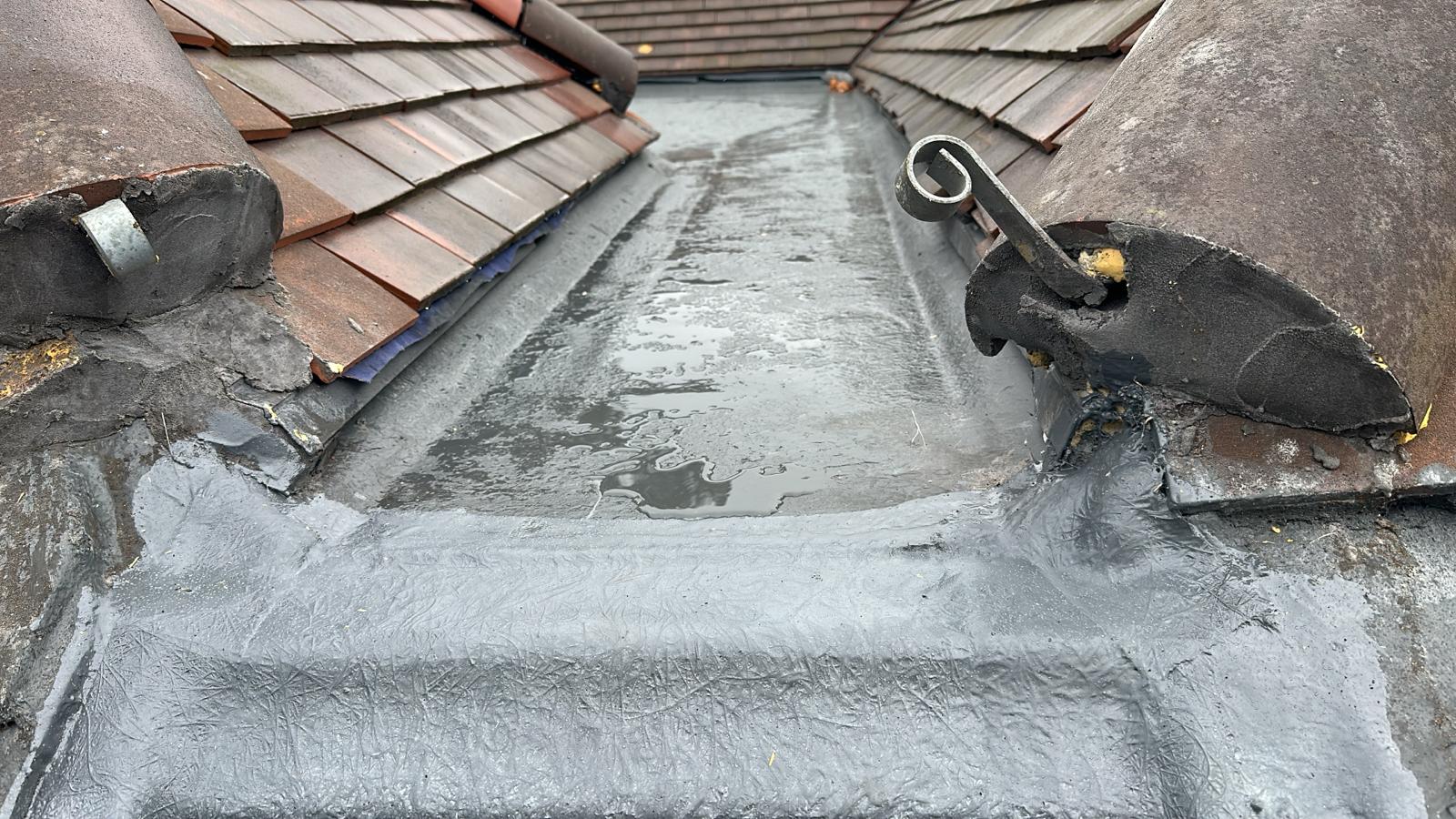
Flat roofing projects benefit from dry conditions because water drains more slowly on flat surfaces.
Spring and summer often provide more predictable conditions for flat roof installations. However, experienced teams can carry out flat roofing work in cooler months when weather allows.
Our flat roofs service often schedules larger installations during milder months for optimal efficiency.
Roof Replacement Timing
For homeowners considering full replacement, planning ahead proves valuable. Late spring to early autumn often provides the most stable window.
Our new roofs service often sees increased demand during these months. Therefore, booking early helps secure preferred dates.
However, roof replacement can still take place in other seasons when weather conditions permit.
Planning Permission and Scheduling
Some roofing projects require approval depending on scope and location. The Planning Portal roofing permission guidance explains when planning permission applies.
Checking requirements early prevents delays that may push work into less favourable weather periods.
Building Regulations and Timing
Roof replacements and insulation upgrades must comply with the GOV.UK Building Regulations. Coordinating inspections or approvals may influence scheduling.
In some cases, Local Authority Building Control inspections form part of the process, particularly when structural elements change.
Planning around these requirements ensures smooth project progression.
Energy Efficiency Improvements
Roofing work often presents opportunities to improve insulation. According to the Energy Saving Trust, improving roof insulation reduces heat loss significantly.
Many homeowners choose to schedule roofing upgrades before winter to improve comfort and reduce heating costs.
Therefore, autumn often becomes a practical time for energy related improvements.
Safety Considerations in Different Seasons
Roofing involves working at height, so safety remains a priority in every season. Wet or icy conditions increase risk, which is why professional planning matters.
Roofers follow guidance from the Health and Safety Executive to manage site safety. The HSE Working at Height guidance outlines best practice for safe access and working procedures.
Regardless of season, safety planning determines whether work proceeds on a given day.
Moss Growth and Seasonal Maintenance
Moss growth often increases during damp autumn and winter months. Therefore, scheduling maintenance in spring helps remove moss before it causes further damage.
Our moss removal service often sees increased demand during spring as homeowners prepare their roofs for the rest of the year.
Preventative maintenance reduces the need for larger repairs later.
How Far in Advance Should You Book
Because roofing demand increases during warmer months, booking early provides greater flexibility.
If you plan major work, contacting a roofing contractor several months in advance ensures preferred scheduling.
However, urgent repairs should be addressed immediately rather than waiting for a specific season.
What Matters Most
While many homeowners search for the ideal time of year for roofing work, the most important factor remains roof condition.
If your roof shows signs of damage, addressing the issue promptly prevents escalation. Waiting for perfect weather often allows small problems to worsen.
Professional assessment helps determine whether work can proceed safely and efficiently in current conditions.
Trusted Roofing Advice
Homeowners want confidence that timing advice reflects practical experience rather than guesswork. We are listed on Checkatrade, where genuine reviews reflect our reliability and workmanship standards.
Conclusion
The best time of year for roofing work is typically during spring, summer or early autumn when weather conditions remain stable and dry. However, roofing can take place in most seasons when managed properly. Ultimately, roof condition and safety considerations matter more than the calendar.
If you are planning roofing work or need professional advice, you can contact us here. At Rated Roofers & Builders, we provide reliable roofing services across South London, Surrey and Sussex and are always happy to help you plan your project at the right time.

Comment (0)