
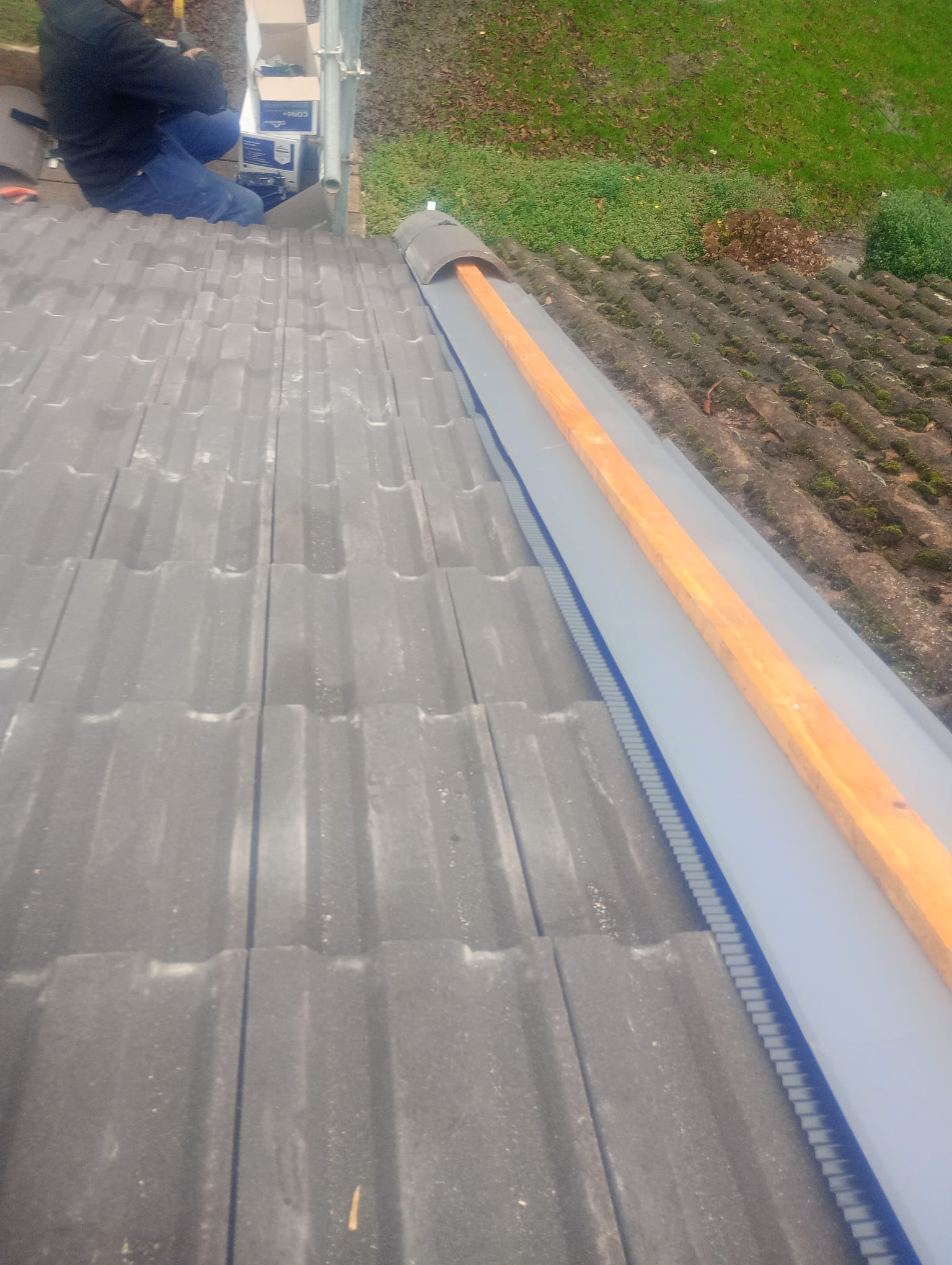
What is the average lifespan of different roof types?
So, What Is the Average Lifespan of Different Roof Types
Every roof reaches a point where age, weather and wear begin to affect performance. However, not all roofs age at the same rate. The materials used, the quality of installation and the level of maintenance all influence how long a roof lasts. Understanding the average lifespan of different roof types helps homeowners plan ahead, budget sensibly and avoid unexpected failures.
I regularly inspect roofs across South London, Surrey and Sussex where homeowners assume a roof still has years left, only to discover that materials have already reached the end of their working life. Knowing what to expect from each roof type makes it easier to decide when repairs remain suitable and when replacement becomes the better option.
What Determines Roof Lifespan
Several factors influence how long a roof lasts. First, the roofing material itself plays a major role. Some materials naturally last longer than others. Second, exposure to weather affects durability. In the UK, frequent rainfall, frost and wind all accelerate wear. Third, installation quality matters. Poor workmanship shortens lifespan significantly. Finally, maintenance makes a difference. Regular inspections and minor repairs often add years to a roof’s life.
Because these factors vary between homes, lifespan figures act as guidelines rather than fixed deadlines.
Clay Tile Roofs
Clay tiles remain common on UK homes, particularly older properties. They offer durability and suit traditional architecture well.
On average, clay tile roofs last between sixty and eighty years. In some cases, well maintained clay tiles last even longer. However, the tiles often outlast the fixings and underlay beneath them.
Over time, mortar weakens and underlay deteriorates. Therefore, even if the tiles still look sound, underlying components may need attention. Regular inspections help identify these issues early.
Concrete Tile Roofs
Concrete tiles gained popularity during the twentieth century. They offer strength and affordability, which makes them common on many suburban homes.
The average lifespan of concrete tile roofs usually sits between forty and sixty years. Compared to clay, concrete tiles absorb more moisture, which leads to gradual surface wear. As a result, they often lose their protective finish over time.
Once the surface wears down, tiles become more vulnerable to frost damage. Therefore, ageing concrete roofs often need replacement sooner than clay alternatives.
Slate Roofs
Slate roofs offer one of the longest lifespans of any roofing material. Natural slate resists weather exceptionally well and suits period properties.
The average lifespan of a slate roof often exceeds one hundred years. In fact, many slate roofs outlast the buildings they sit on. However, fixings such as nails may fail long before the slate itself.
Nail fatigue causes slates to slip over time. When this happens, targeted repairs can extend the roof’s life significantly. However, widespread nail failure often signals the need for more extensive work.
Flat Roofs
Flat roofs require separate consideration because material choice varies widely.
Traditional felt flat roofs typically last between ten and twenty years. Over time, felt becomes brittle and cracks, especially when water pools on the surface.
Modern flat roofing systems last longer. Rubber and fibreglass flat roofs often last between twenty five and thirty years when installed correctly. However, drainage plays a crucial role. Poor drainage shortens lifespan significantly.
Our flat roofs service often involves assessing whether repair can extend lifespan or whether replacement offers better long term value.
Metal Roofs
Metal roofs appear less commonly on residential UK homes but still feature on some properties. Steel and aluminium roofs resist weather well when protected correctly.
On average, metal roofs last between forty and seventy years depending on coating quality and maintenance. However, corrosion remains the main risk. Regular checks prevent small issues from developing into serious damage.
Asphalt Shingle Roofs
Asphalt shingles feature more commonly in other countries but still appear on some UK properties.
The average lifespan of asphalt shingle roofs usually ranges from twenty to thirty years. UV exposure, wind uplift and moisture all affect durability. As shingles age, they lose granules and become more vulnerable to leaks.
Green Roofs
Green roofs include vegetation layers installed over waterproof membranes. When installed correctly, they protect the underlying roof from UV exposure and temperature extremes.
Because the waterproof layer remains shielded, green roofs can last longer than standard flat roofs. However, maintenance remains essential. Poor drainage or neglected vegetation shortens lifespan quickly.
How UK Weather Affects Roof Lifespan
UK weather plays a major role in roof ageing. Frequent rainfall tests waterproofing constantly. Frost causes small cracks to expand. Wind lifts tiles and loosens fixings.
Because of this, roofs in the UK often age faster than those in drier climates. Therefore, regular inspections matter more than relying solely on age.
The Role of Roof Maintenance
Maintenance extends roof lifespan significantly. Clearing debris, replacing damaged tiles and addressing small leaks early all help prevent major deterioration.
For example, moss traps moisture against roof surfaces. Over time, this accelerates wear. Our moss removal service helps protect tiles and extend roof life.
Similarly, blocked gutters allow water to overflow onto roof edges. Keeping drainage clear protects both tiles and roofline components.
Underlay and Fixings Matter
Many homeowners focus only on visible materials. However, underlay and fixings often determine when replacement becomes necessary.
Older underlay materials degrade over time. Once underlay fails, water reaches roof timbers even if tiles remain intact. In addition, nail fatigue causes slates and tiles to loosen gradually.
Because these components remain hidden, inspections remain essential.
When Repairs Extend Roof Lifespan
In many cases, repairs add years to a roof’s life. Replacing slipped tiles, renewing ridge mortar or repairing flashing often restores full performance.
Our roof repairs service regularly extends roof lifespan when damage remains localised.
However, repairs only work when the underlying structure remains sound.
When Replacement Becomes the Better Option
Replacement becomes sensible when damage spreads across the roof or when materials reach the end of their lifespan. Repeated repairs often cost more over time and provide diminishing returns.
Our new roofs service offers long term solutions when ageing roofs no longer perform reliably.
Regulations and Roof Replacement
When replacing a roof, work must comply with the GOV.UK Building Regulations. These rules cover structural safety, insulation and ventilation.
Understanding regulatory requirements early helps homeowners plan work properly and avoid delays.
Planning Considerations
Most roof replacements do not require permission. However, certain changes may need approval. The Planning Portal roofing permission guidance explains when planning may apply.
Safety and Professional Inspections
Assessing roof condition involves working at height. Professional inspections follow guidance from the Health and Safety Executive to ensure safety during access and assessment.
This approach protects both homeowners and roofing professionals.
Local Factors and Property Style
Property style influences roof lifespan. Period homes often use slate or clay, while newer homes often use concrete tiles or flat roofing systems.
Having worked across South London, Surrey and Sussex for many years, I understand how local building styles and weather patterns affect roof ageing.
Why Understanding Roof Lifespan Matters
Knowing the average lifespan of different roof types helps homeowners avoid surprises. Planning inspections and budgeting for future work becomes easier when expectations remain realistic.
Early planning prevents emergency repairs and protects the value of the home.
Trusted Roofing Advice
Homeowners want confidence in assessments. We are listed on Checkatrade, where genuine reviews reflect our commitment to honest advice and quality workmanship.
Conclusion
The average lifespan of different roof types varies widely depending on materials, installation quality and maintenance. While slate roofs often last over a century, flat roofs and concrete tiles typically require earlier replacement. Regular inspections and timely repairs extend lifespan and prevent unexpected failure.
If you would like advice on your roof’s condition or want to plan ahead, you can contact us here. You can also connect with Rated Roofers and Builders through our business profile. We provide reliable roofing advice and services across South London, Surrey and Sussex and are always happy to help you protect your home.

Comment (0)