
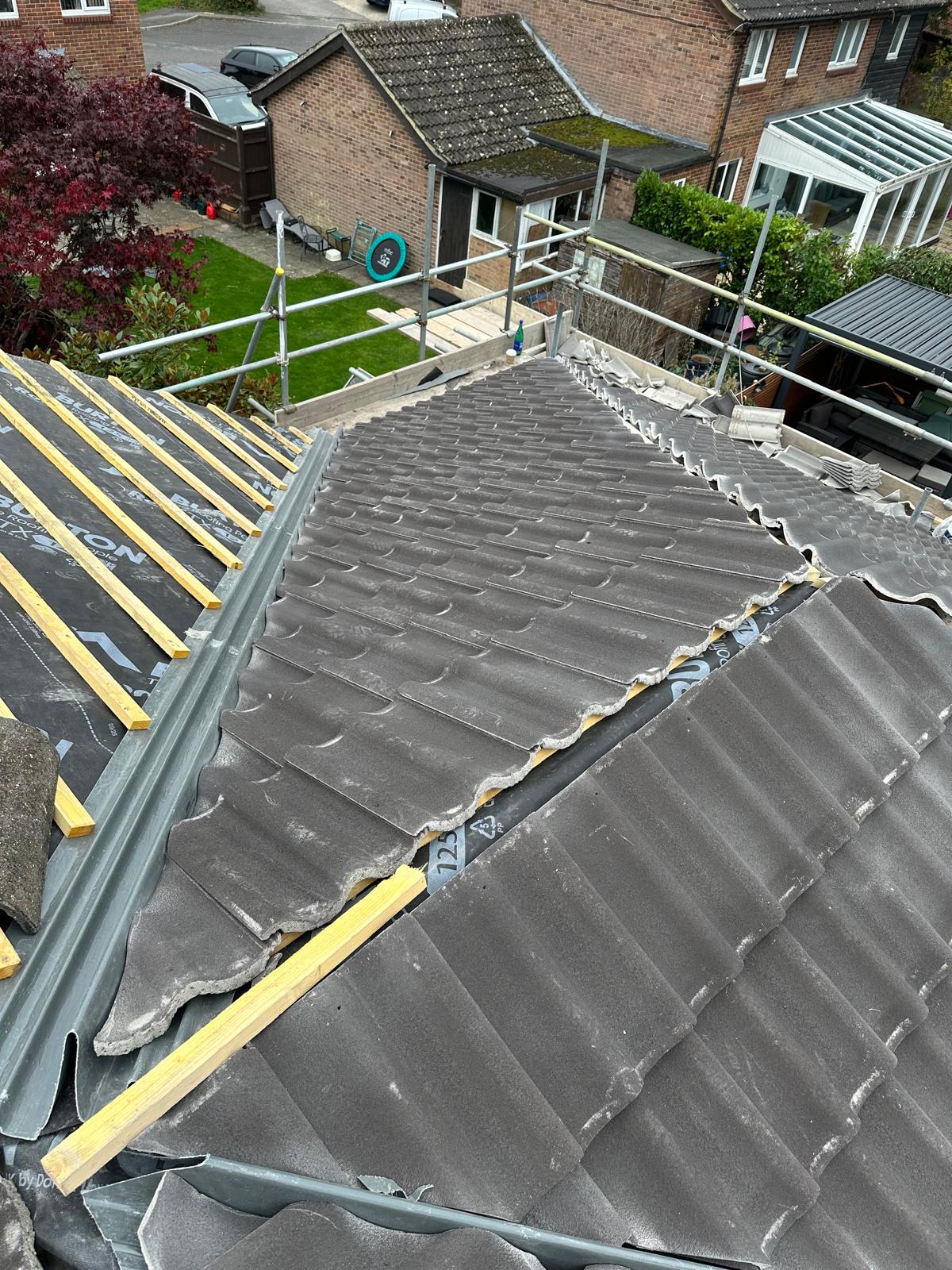
What Roofing Materials are Best for British Weather?
So, What Roofing Materials Are Best for British Weather
British weather places unique demands on roofs. Heavy rainfall, strong winds, freezing temperatures and sudden warm spells all test roofing materials throughout the year. Because of this, choosing the right material matters more in the UK than in many other climates. Understanding which roofing materials are best for British weather helps homeowners make informed decisions, reduce maintenance and protect their property long term.
I regularly inspect roofs across South London, Surrey and Sussex where the material choice has directly influenced how well the roof has performed over time. I will explain how British weather affects roofs and which materials cope best with these conditions.
How British Weather Impacts Roofs
British weather challenges roofs in several ways. Frequent rainfall tests waterproofing constantly. Cold winters cause frost, which expands small cracks and weakens materials. Strong winds lift tiles and loosen fixings. Meanwhile, warmer spells cause expansion that stresses joints and mortar.
Because of these factors, roofing materials in the UK must handle moisture, temperature changes and wind exposure consistently. Materials that perform well in dry or stable climates often struggle here.
Clay Roof Tiles
Clay tiles remain one of the most reliable roofing materials for British weather. They resist moisture well and shed water effectively when installed correctly.
Clay tiles cope with freeze thaw cycles better than many alternatives. Although they can crack if impacted, they rarely deteriorate simply from weather exposure. In addition, their natural composition allows them to age slowly and predictably.
Many period homes across the UK still rely on clay tiles that have protected properties for decades. With proper maintenance, clay roofs often last sixty years or more.
Concrete Roof Tiles
Concrete tiles also perform well in British conditions and appear on many homes built during the twentieth century.
They offer strength and affordability, which makes them popular for residential roofing. However, concrete tiles absorb more moisture than clay. Over time, this moisture absorption can lead to surface wear.
Despite this, concrete tiles still cope well with rainfall and wind when maintained correctly. Regular inspections help identify surface wear before it leads to cracking.
Natural Slate Roofing
Natural slate ranks among the most durable roofing materials for British weather. Slate resists water exceptionally well and handles temperature changes with minimal movement.
Many slate roofs across the UK remain in service after one hundred years or more. The slate itself rarely fails due to weather. Instead, fixings such as nails usually require attention first.
Because slate performs so well in wet and windy conditions, it remains a strong choice for long term performance in the British climate.
Flat Roofing Materials and British Weather
Flat roofs require careful material selection due to slower water drainage. British rainfall places particular strain on flat roof surfaces.
Traditional felt roofs still exist, although they struggle more in prolonged wet conditions. Over time, felt becomes brittle and prone to cracking.
Modern flat roofing materials perform far better. Rubber roofing systems remain flexible in cold weather and resist water penetration effectively. Fibreglass roofing creates a seamless surface that sheds water efficiently.
Our flat roofs service often involves upgrading older flat roofs to modern systems better suited to British weather.
Metal Roofing in the UK
Metal roofing appears less commonly on UK homes but still offers strong weather resistance when installed correctly.
Steel and aluminium roofs shed water quickly and resist wind uplift well. Protective coatings prevent corrosion and extend lifespan.
However, poor installation or damaged coatings can lead to corrosion over time. Therefore, metal roofing works best when fitted and maintained properly.
Roof Underlay and British Conditions
Roofing materials alone do not determine performance. Underlay plays a crucial role in protecting homes during British weather.
Modern breathable underlay allows moisture to escape while preventing water ingress. Older underlay materials often deteriorate under constant damp conditions.
Many roof failures in the UK occur because underlay has reached the end of its lifespan rather than because tiles have failed.
Mortar and Fixings Matter
British weather also affects mortar and fixings. Freeze thaw cycles cause mortar to crack and crumble. Wind loosens fixings gradually over time.
Ridge tiles and hip tiles often require attention before the rest of the roof. Addressing mortar issues early prevents water entry and tile movement.
Our roof repairs service frequently resolves weather related damage before it spreads.
Moss Growth and Moisture
The UK climate encourages moss growth on roofs. Moss retains moisture and keeps roof surfaces damp for longer periods.
This prolonged dampness increases frost damage risk and accelerates material wear. Over time, moss also blocks gutters, causing water overflow.
Our moss removal service helps reduce moisture retention and protects roofing materials from unnecessary wear.
Chimneys and Flashing in Wet Weather
Chimneys represent one of the most vulnerable areas during heavy rain. Flashing seals the joint between roof and chimney.
When flashing deteriorates, water enters the roof quickly. British rainfall exposes these weaknesses faster than drier climates.
Our chimney repairs service often resolves leaks caused by flashing failure rather than tile damage.
Wind Resistance and Tile Fixing
Strong winds test roofing materials constantly in the UK. Tiles must be fixed correctly to resist uplift.
Modern fixing methods improve wind resistance significantly. Older roofs may lack adequate fixings by current standards.
When upgrading or repairing roofs, improving fixing methods often enhances performance during storms.
Energy Efficiency and Roofing Materials
Roofing materials also influence energy efficiency. Gaps, cracked tiles and poor insulation allow heat to escape.
Some roofing projects provide opportunities to improve insulation. Guidance from the Energy Saving Trust explains how roof improvements reduce heat loss and improve comfort.
Choosing materials that work well with insulation systems helps maintain stable indoor temperatures despite changing weather.
Building Regulations and Weather Performance
Roof replacements and insulation upgrades must comply with the GOV.UK Building Regulations. These rules ensure roofs perform safely and efficiently under UK conditions.
Modern standards reflect the challenges posed by British weather. Compliance therefore improves long term performance.
Planning Considerations
Most roofing work does not require planning permission. However, material changes in conservation areas may require approval.
The Planning Portal roofing permission guidance explains when permission applies. Checking this early avoids delays.
Safety and Weather Exposure
Roofing work during British weather requires careful safety planning. Wet surfaces increase slip risk.
Professional roofers follow guidance from the Health and Safety Executive to manage risks during inspections and repairs. The HSE Working at Height guidance supports safe working practices in challenging conditions.
Choosing the Best Material for Your Home
The best roofing material depends on property style, location and budget. Clay and slate suit traditional homes well. Concrete tiles offer affordability and strength. Modern flat roofing systems perform reliably when installed correctly.
Understanding local weather exposure helps guide material choice. Homes in exposed locations benefit from materials with strong wind resistance and water shedding ability.
Repairs Versus Replacement
Sometimes materials remain suitable but have reached the end of their lifespan. In these cases, replacement offers better long term performance.
Our new roofs service helps homeowners upgrade to materials better suited to modern British weather demands.
Trusted Roofing Advice
Choosing roofing materials requires honest advice based on experience. We are listed on Checkatrade, where genuine reviews reflect our approach to quality and reliability.
Conclusion
Choosing roofing materials best for British weather protects homes from rain, wind and temperature changes year after year. Clay, slate and modern flat roofing systems all perform well when installed and maintained correctly. Understanding how British weather affects roofs helps homeowners make informed decisions that last.
If you would like advice on the best roofing material for your home, you can contact us here. You can also connect with Rated Roofers and Builders through our business profile. We provide reliable roofing advice and services across South London, Surrey and Sussex and are always happy to help.

Comment (0)