
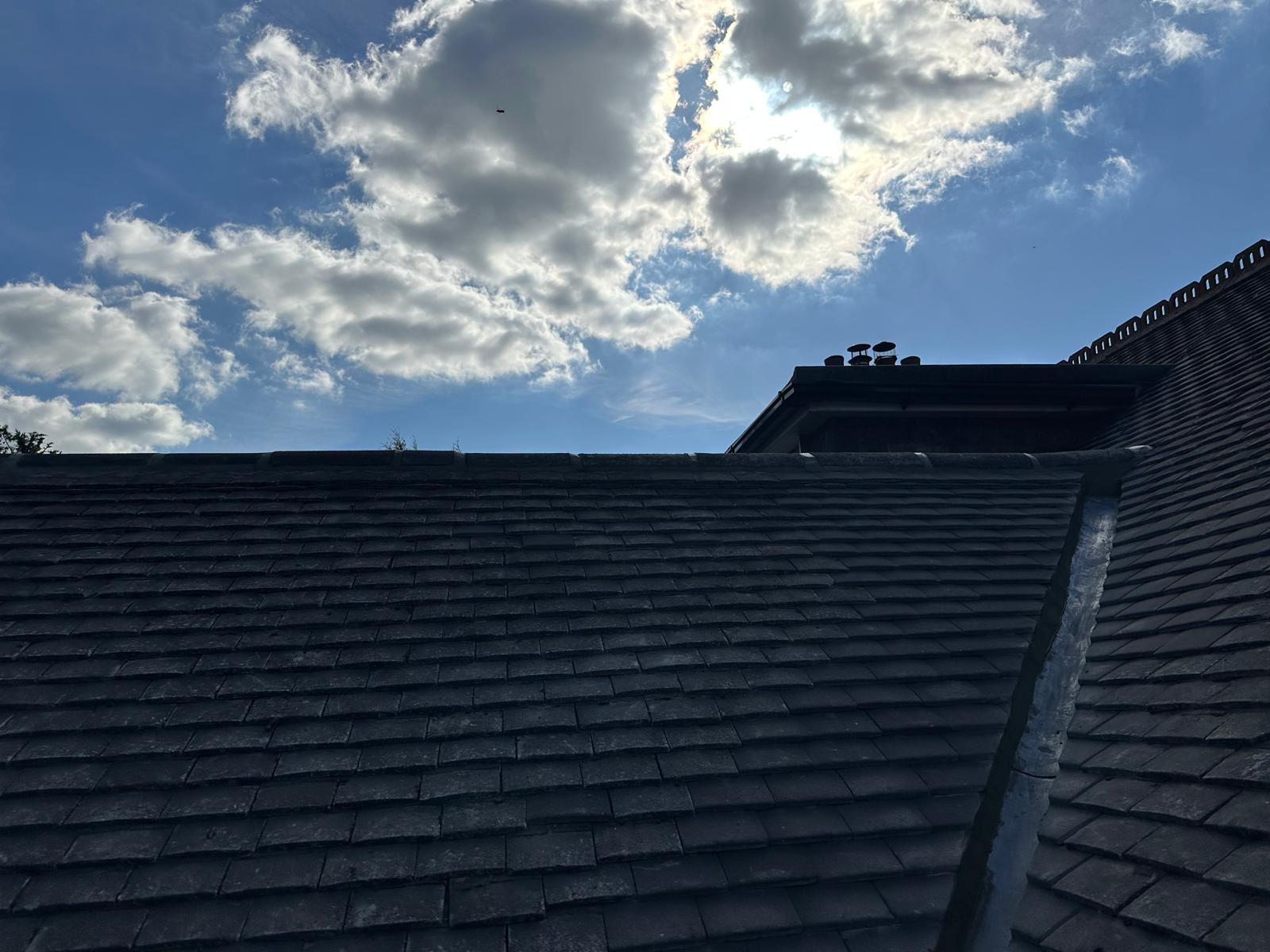
What is the Term “Valley” on a Roof?
So, What is the term “valley” on a roof?
If you’ve ever looked closely at the shape of your roof, you might have noticed areas where two roof sections meet, creating a dip or a channel. This area is called a valley, and it plays a crucial role in keeping your roof watertight. But what is the term “valley” on a roof? Simply put, it’s one of the most important parts of your roofing structure, one that often goes unnoticed until a problem appears.
As roofers, we work with valleys every day. They’re vital for guiding rainwater off your roof and into the gutters, but they also need to be built and maintained properly to prevent leaks and water damage. I’ll explain what roof valleys are, how they’re constructed, the materials used, and why professional installation makes such a difference.
Understanding What a Roof Valley Is
A roof valley is the internal angle formed where two sloping roof sections meet. It acts as a channel that directs rainwater down towards the guttering system. Valleys are especially common on complex or multi-pitched roofs, such as those found on detached houses and extensions.
The purpose of a valley is simple but vital, to collect water from different sections of the roof and channel it safely away from the structure. Without a properly functioning valley, rainwater can pool, leak into the roof covering, and cause internal damage over time.
Why Valleys Are So Important
Although valleys might seem like a small part of the roof, they handle a large volume of rainwater, especially during heavy downpours. If a valley becomes blocked or poorly sealed, it can quickly lead to leaks and damp inside the home.
We often find that problems start when the materials in the valley begin to deteriorate or when debris such as moss or leaves builds up. That’s why regular inspections and cleaning are essential to maintaining a healthy roof. Our roof repairs service often includes checking valleys to ensure they are watertight and clear of obstructions.
Different Types of Roof Valleys
There are several types of roof valleys, each with its own design and purpose. The choice depends on the roof’s layout, materials, and local weather conditions.
1. Open Valley
An open valley has an exposed metal lining, usually made from lead, zinc, or aluminium. It sits in the joint between two roof slopes and channels water directly down into the gutter.
Open valleys are practical, long-lasting, and easy to inspect. The exposed metal makes it simple to clear debris, and it’s often chosen for homes in areas with heavy rainfall.
2. Closed Valley
A closed valley uses overlapping roof tiles or slates that cover the valley joint completely. The water flows underneath the tiles into a hidden channel.
While this type offers a cleaner appearance, it requires precise installation to prevent leaks. If tiles are not aligned properly, water can seep through the gaps.
3. Woven Valley
Woven valleys are most common on roofs with overlapping asphalt or composite shingles. The two roof sections interlace at the valley, forming a continuous pattern that directs water down.
This type is often used in new builds or on smaller roofs where aesthetics and uniformity are important.
Materials Used in Roof Valleys
The material used for a roof valley can make a big difference to its performance and lifespan. Common materials include:
-
Lead – Traditional and durable, lead is flexible and ideal for shaping around irregular roof structures.
-
Zinc or Aluminium – Lightweight and corrosion-resistant, suitable for modern homes.
-
Fibreglass – A popular choice for flat roofs and extensions due to its smooth, watertight surface.
-
GRP (Glass Reinforced Plastic) – Used for both flat and pitched roofs, GRP valleys are long-lasting and low-maintenance.
The right choice depends on your roof’s design, the surrounding environment, and the overall look you want to achieve.
How Roof Valleys Are Installed
Installing a roof valley requires careful planning and precision. First, the roofer sets out the structure, ensuring both roof slopes meet at the correct angle. Next, valley liners or flashing materials are fixed into place before tiles or slates are laid around them.
Valleys must allow free water flow without any obstruction. That’s why maintaining a consistent gradient and avoiding gaps between materials are crucial steps. A properly installed valley should direct water smoothly from top to bottom without pooling or overflow.
We often include valley work as part of our new roofs service to ensure the entire system performs efficiently from day one.
Common Problems with Roof Valleys
Even the best roofs can develop issues over time, particularly in valleys where water collects most frequently. Some of the most common problems we see include:
-
Blockages: Leaves, moss, and debris build up over time, restricting water flow.
-
Corrosion: Metal valleys can corrode, especially if they’re not maintained or if dissimilar metals have been used.
-
Cracks or splits: Lead or fibreglass valleys may develop small cracks that lead to leaks.
-
Loose tiles: In closed valleys, tiles can shift or break, exposing the valley beneath.
These problems often start small but worsen quickly. Regular maintenance, such as our moss removal service, helps prevent blockages that could lead to water damage.
How to Maintain a Roof Valley
Roof valleys should be inspected at least once a year, ideally before and after winter. During inspections, we check for cracks, rust, or displaced tiles and clear away any debris.
We also recommend checking your soffits and fascias at the same time since proper drainage relies on the entire roofline system working together.
Maintenance doesn’t take long but can save you from costly repairs later. If water starts backing up or dripping into the loft, it’s usually a sign the valley needs professional attention.
The Role of Valleys in Roof Design
Valleys aren’t just functional, they also influence the design and appearance of a roof. The placement and shape of a valley affect how roof sections meet and how the roofline appears from below.
On complex or multi-level homes, valleys are often used to create visual balance while maintaining proper drainage. As part of our renovations, we often restore or redesign valleys to blend with the home’s character while improving performance.
Why Experience Matters with Valley Installation
Installing or repairing a valley requires skill and experience. It’s not just about placing flashing in the right position; it’s about understanding how water moves and how materials react over time.
Inexperienced roofers might use the wrong materials or fail to seal the joints correctly, leading to early failure. Our team has years of experience working on all roof types across Surrey and South London, including tiled, slate, and chimney repairs where valleys connect to adjoining structures.
A properly fitted valley can last decades with the right care, while a poorly installed one may start leaking within a few years.
Integrating Valleys with Other Roof Work
Valleys often form part of larger projects like extensions and conversions or full roof installations. In these cases, coordination is key, ensuring the new section ties seamlessly into the existing structure.
We take time to ensure that valleys, tiles, flashing, and insulation all work together. This approach not only prevents leaks but also improves energy efficiency and visual appeal.
What Happens If a Valley Fails
When a valley fails, water can penetrate beneath tiles and soak into the underlay or roof timbers. Left untreated, this can cause rot, mould, and ceiling damage inside the home. In extreme cases, it may even weaken the structure.
That’s why professional inspection and maintenance are so important. A simple fix today can prevent far more expensive repairs later on.
Signs You Might Have a Valley Issue
You don’t need to climb onto your roof to spot potential valley problems. Look for:
-
Damp patches or stains on the ceiling near where roof sections meet
-
Watermarks or peeling paint in the loft
-
Visible moss or debris buildup in the roof dips
-
Unusual dripping noises during rain
If you notice any of these signs, it’s worth arranging a professional inspection to catch the issue early.
Verified and Trusted Roofing
When it comes to something as important as your roof, always choose trusted professionals. Our company is verified on Checkatrade, where homeowners can read reviews from our previous projects across Surrey, South London, and Sussex.
We believe in transparency and care, ensuring every roof we work on, from simple repairs to full installations, meets the highest standards of quality.
Conclusion
So, what is the term “valley” on a roof? It’s the essential channel where two roof slopes meet, guiding rainwater safely away from your home. While small in appearance, it plays one of the biggest roles in keeping your property dry and structurally sound.
If you think your roof valley might need attention or simply want peace of mind, contact us for a professional inspection and honest advice. We provide reliable, experienced roofing services across Surrey, South London, and Sussex, helping homeowners protect their homes for the long term.


Comment (0)