
What is Flashing on a Roof and Why Does it Matter?
What Is Flashing on a Roof and Why Does It Matter
Flashing plays a critical role in keeping a roof watertight, yet many homeowners remain unsure what it does or why it matters so much. When flashing fails, water often enters the roof even if tiles or slates appear intact. Understanding flashing on a roof helps explain why leaks commonly start around chimneys, walls and roof joints rather than in the middle of roof slopes.
I regularly inspect roofs across South London, Surrey and Sussex where flashing problems caused leaks that homeowners initially blamed on tiles. Knowing how flashing works and why it fails helps prevent misdiagnosis and unnecessary repairs.
What Is Flashing on a Roof
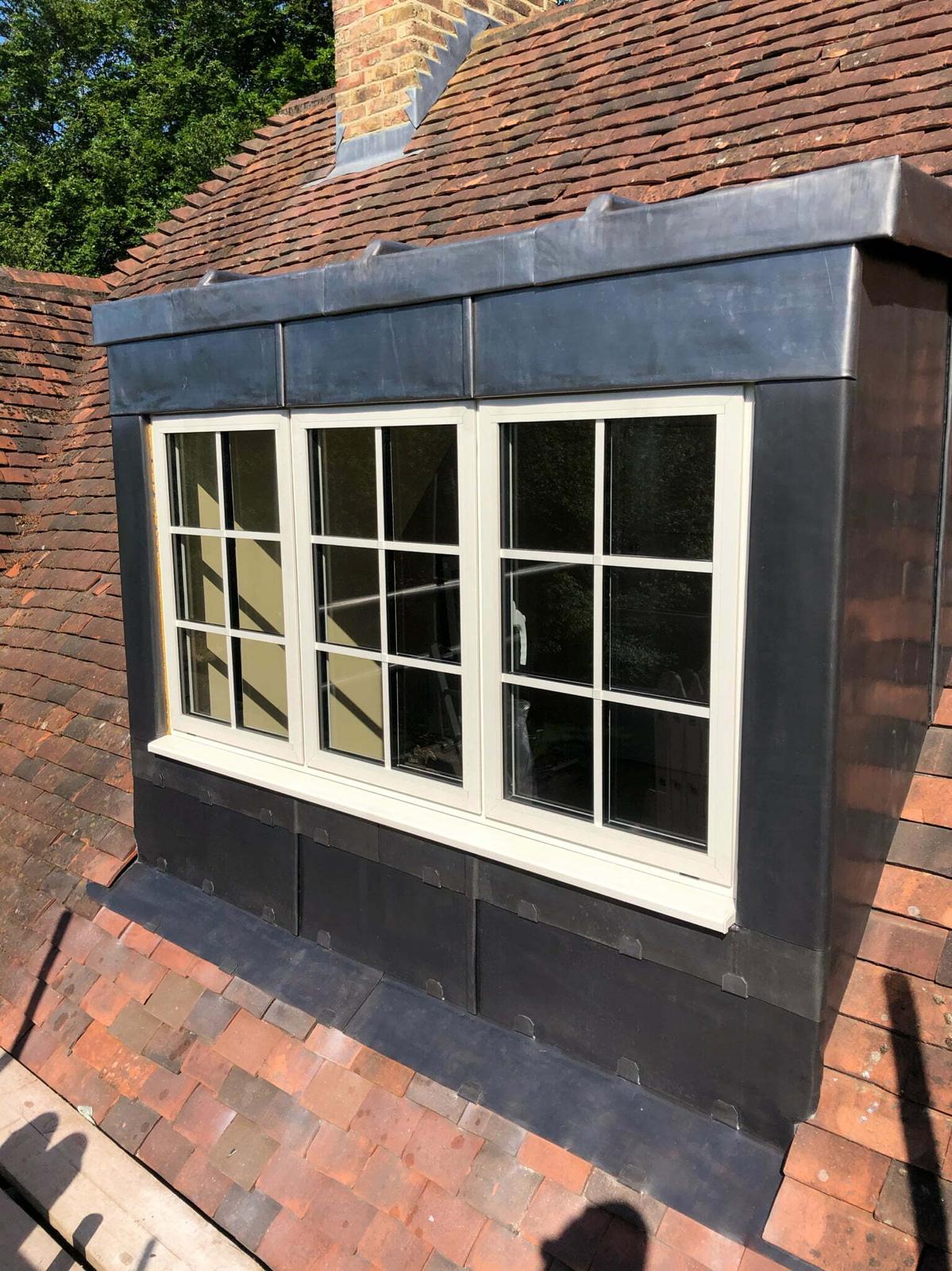
Flashing refers to thin strips of material installed at roof junctions where different surfaces meet. These junctions include chimneys, roof valleys, dormer walls, parapet walls and where roofs meet vertical walls.
The purpose of flashing is simple but vital. It directs water away from vulnerable joints and back onto the main roof surface so it can drain safely. Without flashing, these joints would allow water to enter the roof structure easily.
Most flashing in UK homes uses lead because it remains durable, flexible and weather resistant. Other materials such as zinc or aluminium may also appear, although lead remains the most common choice.
Where Flashing Is Installed on a Roof
Flashing appears in several key areas of a roof. Each location protects a different type of junction.
Around chimneys, flashing seals the joint between brickwork and roof tiles. Along walls, flashing prevents water running down vertical surfaces from entering the roof. In roof valleys, flashing channels large volumes of water safely down the roof.
Because these areas experience concentrated water flow, flashing remains essential for long term roof performance.
Why Flashing Matters More Than Many People Realise
Roof tiles shed most rainwater effectively. However, tiles alone cannot seal complex joints. That is where flashing becomes essential.
Without flashing, water driven by wind or gravity would enter through gaps where tiles meet walls or chimneys. Over time, even small gaps allow moisture to penetrate the roof structure.
Flashing therefore acts as the roof’s waterproof seal at its weakest points. When flashing performs correctly, the roof remains protected even during heavy rain.
Common Signs of Flashing Problems
Flashing issues often show subtle signs before leaks become obvious. Staining on ceilings near chimneys frequently points to flashing failure. Damp patches on chimney breasts or walls also suggest problems.
Outside, visible cracks in flashing, lifted edges or loose mortar often indicate deterioration. Pieces of mortar found near the chimney base may signal that flashing fixings have failed.
Because flashing sits at roof junctions, leaks caused by flashing often appear inside before visible damage shows outside.
Why Flashing Fails Over Time
Several factors contribute to flashing failure. Age plays a major role. Over time, materials naturally weaken due to weather exposure.
Temperature changes cause expansion and contraction. This movement stresses flashing and surrounding mortar. Eventually, cracks form.
Poor installation also causes early failure. Incorrect overlaps, shallow fixings or inadequate sealing allow water to bypass the flashing.
Storms accelerate damage. Strong winds lift flashing edges while heavy rain tests every joint repeatedly.
Chimneys and Flashing Issues
Chimneys remain the most common flashing failure point. Because chimneys rise above the roof, they receive heavy exposure to wind and rain.
When flashing around chimneys cracks or lifts, water enters directly into the roof structure. Because of this, chimney related leaks often appear suddenly and persist until flashing is repaired.
Our chimney repairs service frequently resolves leaks by restoring flashing rather than replacing roof tiles unnecessarily.
Flashing in Roof Valleys
Roof valleys handle large volumes of water, especially during heavy rain. Valley flashing channels this water safely down the roof.
When valley flashing corrodes, cracks or shifts, water escapes beneath tiles. Because valleys carry so much water, leaks here often cause significant internal damage if left untreated.
Keeping valley flashing in good condition remains essential for roof longevity.
Flashing on Flat Roofs
Flat roofs also rely on flashing, particularly where the roof meets walls or parapets. These junctions remain vulnerable because water drains slowly on flat surfaces.
Poorly detailed flashing allows water to sit against joints, which increases the risk of leaks. Over time, moisture spreads beneath the flat roof covering.
Our flat roofs service often addresses flashing issues during flat roof repairs and upgrades.
How Flashing Problems Are Diagnosed
Diagnosing flashing problems requires careful inspection. Many leaks blamed on tiles actually originate from flashing failure.
Professional inspections involve checking flashing condition, fixings and surrounding mortar. Internal inspection also helps trace the path of water entry.
Accurate diagnosis ensures the correct repair is carried out and prevents unnecessary work.
Repairing Flashing Versus Replacing It
Some flashing problems respond well to repair. Repointing mortar or securing lifted edges may restore protection when damage remains minor.
However, severely cracked or aged flashing often requires replacement. Replacing flashing ensures a watertight seal and reduces the risk of repeat leaks.
Our roof repairs service includes assessing whether flashing repair or replacement provides the best long term solution.
Why Temporary Fixes Often Fail
Temporary sealants or surface patches rarely last. While they may stop leaks briefly, they often fail during the next period of heavy rain.
Because flashing sits at critical junctions, repairs must accommodate movement and water flow. Proper flashing work addresses the root cause rather than masking symptoms.
Investing in correct flashing repair avoids repeated callouts and ongoing damage.
Flashing and Roof Lifespan
Flashing condition directly affects roof lifespan. Even high quality tiles cannot protect the roof if flashing fails.
In many cases, flashing replacement extends the life of an otherwise sound roof. Conversely, ignoring flashing problems often leads to widespread water damage that shortens roof lifespan dramatically.
Regular inspections therefore play a key role in maintaining flashing integrity.
Building Regulations and Flashing Work
Flashing work must meet appropriate standards, particularly during roof replacement or significant repairs. The GOV.UK Building Regulations set requirements for weatherproofing and structural protection.
Ensuring flashing complies with these standards protects both the roof and the homeowner.
Safety and Flashing Repairs
Flashing repairs involve working at height and around chimneys or roof edges. These tasks require proper access equipment and safety planning.
Professional roofers follow guidance from the Health and Safety Executive to manage risks during inspection and repair work. Safe access ensures repairs are completed properly without unnecessary risk.
How Often Flashing Should Be Checked
Flashing should be inspected during routine roof checks, typically once a year or after severe weather. Early detection of small issues prevents leaks and costly repairs.
Older roofs benefit from more frequent inspections because materials become less flexible with age.
Flashing and Property Value
Roof leaks linked to flashing issues often affect property value. Buyers view water damage as a major concern.
Maintaining flashing in good condition helps preserve both roof performance and property appeal.
When Flashing Issues Lead to Roof Replacement
In some cases, widespread flashing failure combined with ageing underlay and repeated leaks indicates that replacement provides better value.
Our new roofs service offers long term solutions when multiple roof components reach the end of their lifespan.
Why Professional Advice Matters
Because flashing issues mimic tile failures, professional assessment matters. Correct diagnosis avoids unnecessary work and ensures repairs address the true cause of leaks.
I always focus on explaining the problem clearly so homeowners understand why flashing matters and how it protects their roof.
Trusted Roofing Advice
Homeowners want confidence that advice reflects real roof condition. We are listed on Checkatrade, where genuine reviews reflect our honest approach and quality workmanship.
Conclusion
Flashing on a roof plays a vital role in keeping homes watertight. It protects the most vulnerable roof junctions and directs water safely away from the structure. When flashing fails, leaks often follow even if tiles appear intact.
If you are concerned about flashing or have noticed signs of a roof leak, you can contact us here to arrange a professional inspection. At Rated Roofers and Builders we provide reliable roofing services across South London, Surrey and Sussex and are always happy to help protect your home.

Comment (0)