
What Does a Professional Roofer Actually Do?
So, What Does a Professional Roofer Actually Do
Many homeowners know they need a roofer when something goes wrong, but few people fully understand what the job actually involves. Roofing is often seen as just replacing tiles or fixing leaks, but the reality is far more detailed. A professional roofer plays a vital role in protecting the structure, safety and long term condition of a property.
If you have ever wondered what does a roofer do, this guide explains the full scope of the role. From inspections and repairs to safety responsibilities and compliance, I will walk through what professional roofers really do and why experience matters so much in this trade.
Inspecting Roofs and Identifying Problems
One of the most important parts of a roofer’s job is inspection. Before any work begins, the roof needs to be assessed properly. This involves checking the visible tiles or slates, but also looking deeper at the condition of the roof as a whole.
During an inspection, a professional roofer checks for slipped or cracked tiles, damaged flashing, worn mortar, blocked drainage and signs of water ingress. Inside the loft, we also look for damp patches, daylight showing through the roof lining and signs of condensation.
This inspection stage is critical. Without identifying the true cause of a problem, repairs may only deal with the symptoms rather than the source.
Carrying Out Roof Repairs
Roof repairs are a major part of what professional roofers do. Repairs can range from replacing a single tile to restoring large sections of the roof.
Typical repair work includes replacing broken tiles, securing loose slates, repairing flashing around chimneys, fixing ridge mortar and resolving leaks. Our roof repairs service covers all of these issues and focuses on long term solutions rather than temporary fixes.
A good roofer knows when a repair is enough and when more extensive work is needed. Honest advice is a key part of professionalism.
Working With Different Roofing Materials
Roofers work with a wide range of materials, and each one requires a different approach. Clay tiles, concrete tiles, slate and flat roofing systems all behave differently.
Slate, for example, must be handled carefully to avoid cracking. Clay tiles can be brittle in cold weather. Flat roofs require specialist materials and techniques because water drains more slowly.
Understanding how each material performs allows a professional roofer to choose the correct repair method and avoid causing further damage.
Installing New Roofs
Installing a new roof is one of the most complex tasks a roofer undertakes. It involves far more than laying tiles.
A new roof installation includes removing the old covering, checking the roof structure, installing breathable underlay, fitting battens correctly and then installing the new tiles or slates. Ventilation, drainage and weatherproofing all need to be considered.
Our new roofs service covers full roof installations using materials suited to the property and local conditions.
Understanding Regulations and Compliance
Professional roofers must understand building regulations and planning requirements. Certain types of roofing work require compliance with national standards, particularly when structural elements are involved or when insulation is upgraded.
When roof replacements or significant alterations are carried out, work must meet the requirements set out in the GOV.UK Building Regulations. These rules ensure that roofs are structurally sound, energy efficient and safe.
In some cases, roof work may also need to follow planning guidance. The Planning Portal roofing permission guidance explains when permission may be required, such as changes to roof height or appearance.
A professional roofer understands these requirements and ensures work is carried out correctly.
Health and Safety Responsibilities
Roofing is a high risk trade. Working at height carries serious dangers, and safety is a legal and professional responsibility.
Professional roofers follow guidance set out by the Health and Safety Executive to protect workers and the public. This includes risk assessments, safe access methods and proper use of equipment.
Specific guidance such as the HSE Working at Height guidance is essential for roofing work. This covers ladder safety, scaffolding use and fall prevention.
A professional roofer does not cut corners when it comes to safety. Proper planning protects everyone involved.
Maintaining Roof Drainage and Rooflines
Roofers also deal with gutters, fascias and soffits. These components play a crucial role in directing water away from the property and protecting the roof edges.
Blocked gutters or damaged roofline boards can lead to water ingress even when the tiles are in good condition. Repairing or replacing these elements helps maintain the overall health of the roof.
Our soffits and fascias service ensures the roofline remains strong, ventilated and weather resistant.
Chimney and Flashing Work
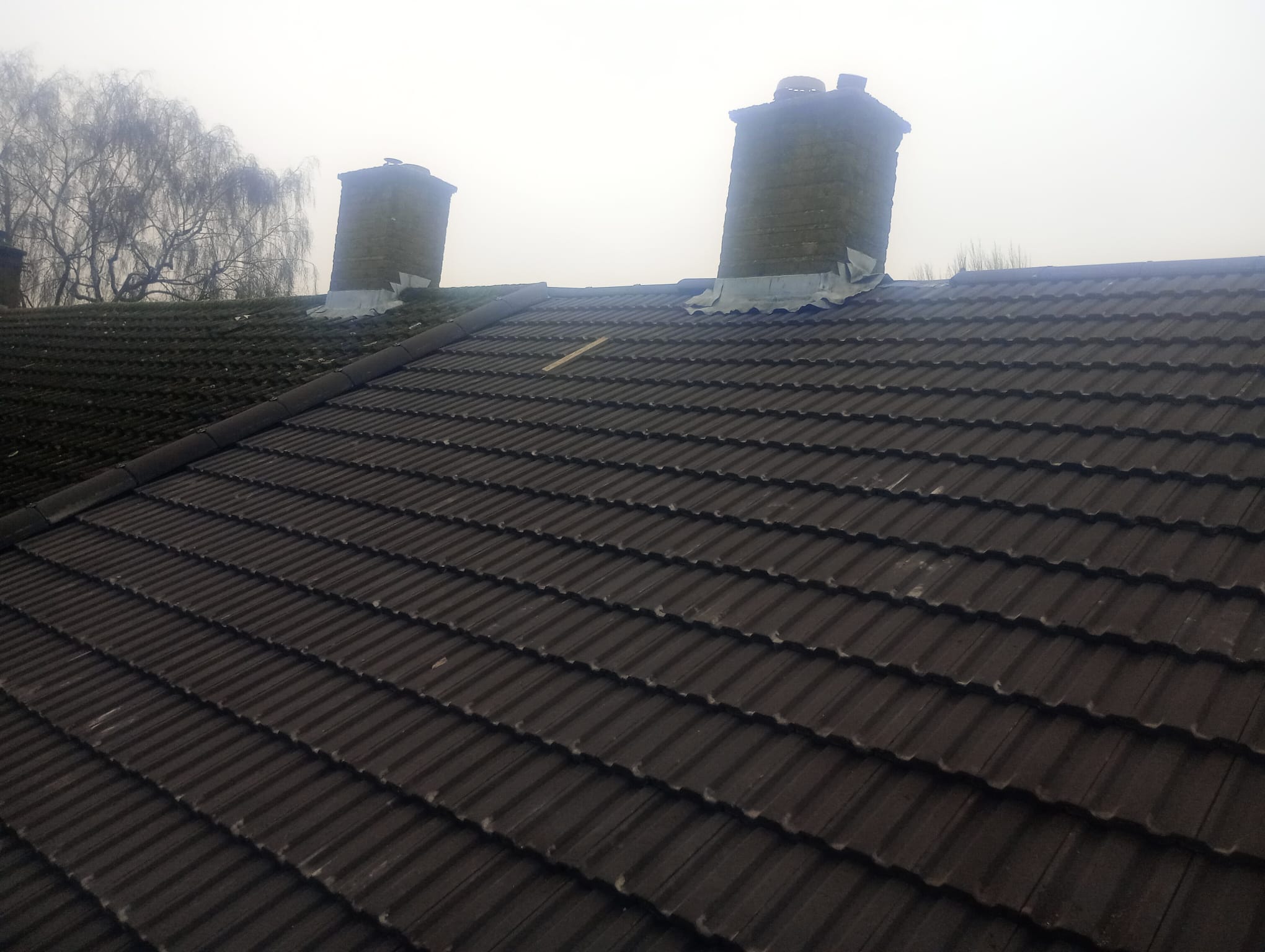
Chimneys are one of the most common sources of roof leaks. Mortar can crack, and flashing can lift or split over time. Professional roofers repair these areas to prevent water entering the roof structure.
Our chimney repairs service addresses these vulnerable points and helps prevent recurring leaks.
Preventing Long Term Damage
A major part of what a roofer does is prevention. Spotting issues early and dealing with them promptly helps avoid expensive damage later.
For example, moss growth may look harmless, but it traps moisture against tiles and accelerates wear. Our moss removal service helps extend the life of the roof and reduce moisture related problems.
Advising Homeowners Honestly
Professional roofers are advisers as well as tradespeople. Homeowners rely on us to explain what work is needed and why.
This includes advising when a roof can be repaired, when replacement makes more sense and how to prioritise work. Honest advice builds trust and ensures homeowners make informed decisions.
Roofing During Renovation Projects
Roofers often work alongside other trades during renovation projects. When lofts are converted or extensions added, roofing work must integrate with the existing structure.
Our renovations service often includes roofing improvements, and when carrying out extensions and conversions, we ensure the roof performs properly and matches the rest of the property.
Understanding Local Building Types
A professional roofer understands the local housing stock. South London, Surrey and Sussex have a wide mix of property styles, each with different roofing challenges.
Experience working on Victorian terraces, post war houses and modern builds allows a roofer to choose appropriate materials and techniques for each situation.
Providing Ongoing Maintenance
Roofing does not stop once a job is completed. Professional roofers often provide maintenance advice and follow up inspections.
Simple actions such as keeping gutters clear, checking tiles after storms and monitoring loft conditions can significantly extend the life of a roof.
Why Professional Experience Matters
Roofing is not a trade where shortcuts work. Poor repairs, incorrect materials or ignored safety rules can cause serious problems.
A professional roofer brings experience, training and attention to detail. This ensures work is completed safely, legally and to a high standard.
We are also listed on Checkatrade, where homeowners can read genuine reviews that reflect the quality of our work.
Conclusion
So, what does a roofer do? A professional roofer inspects, repairs, replaces and maintains roofs while ensuring safety, compliance and long term protection for the home. It is a skilled role that requires experience, planning and care.
If you need advice, repairs or a professional inspection, you can contact us here. You can also reach out to Rated Roofers and Builders through our business profile. We provide reliable roofing services across South London, Surrey and Sussex and are always happy to help.


Comment (0)