
Roof Pointing South London
Professional Roof Pointing South London
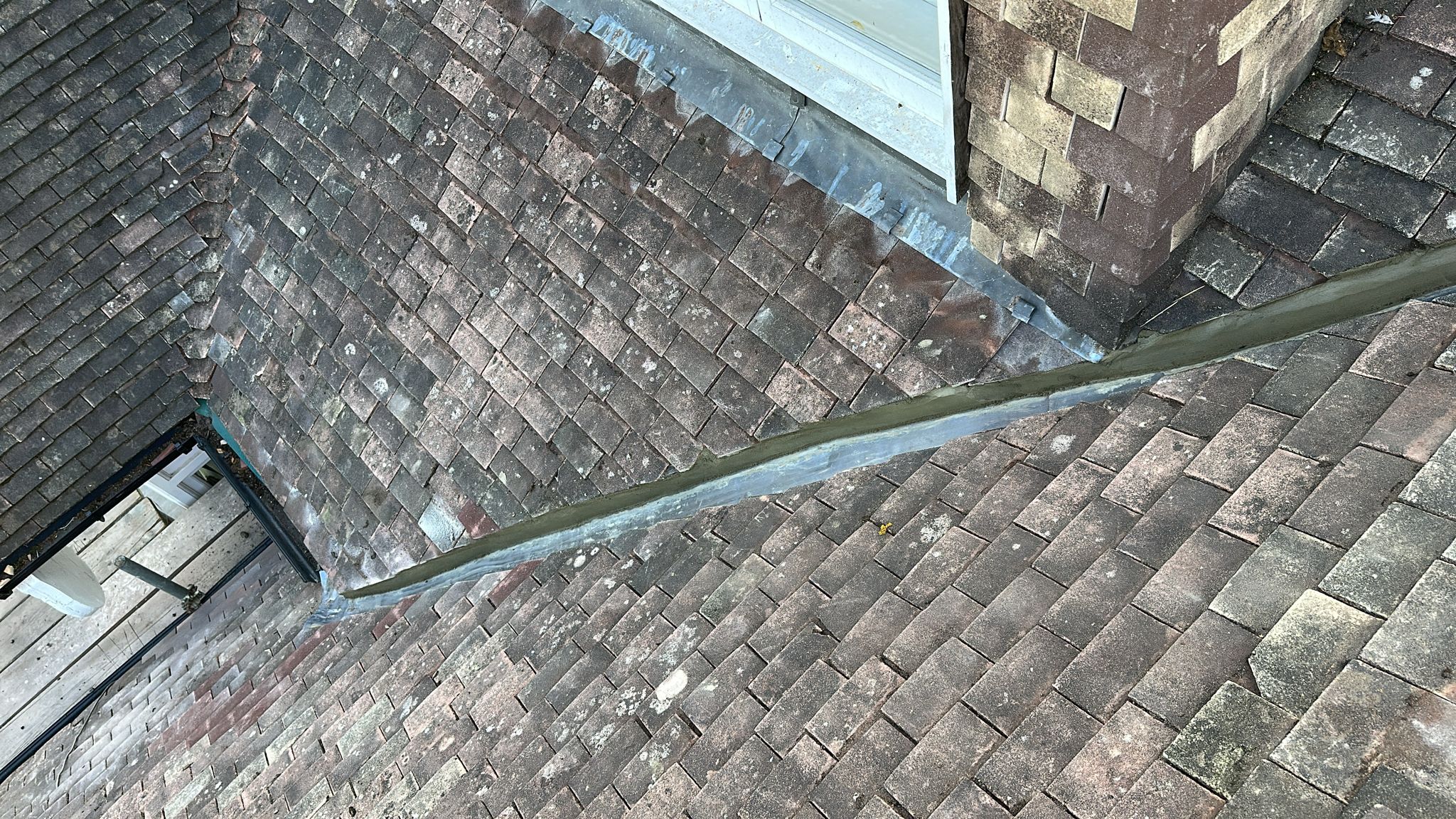
Roof pointing plays a vital role in keeping a roof secure and weather resistant, yet it is often overlooked until problems start to appear. Pointing refers to the mortar that holds ridge tiles and other roof tiles firmly in place. Over time, this mortar naturally wears away due to exposure to wind, rain and temperature changes. When it begins to fail, water can enter the roof structure and cause damage that spreads quickly. Reliable roof pointing South London services help protect homes from leaks, loose tiles and long term structural issues.
I have worked on many roofs across South London where failing pointing was the main cause of leaks or instability. I will explain what roof pointing is, why it matters, the signs it needs attention, how repairs are carried out and when repointing is enough or replacement is required.
What Is Roof Pointing
Roof pointing is the mortar used to secure ridge tiles and sometimes hip tiles along the top and edges of a roof. Its purpose is to lock tiles into place and seal gaps so that wind and rain cannot penetrate beneath them.
Pointing is constantly exposed to the elements. Over time, mortar can crack, crumble or wash away. Once this happens, ridge tiles may become loose, and water can travel under the roof covering.
Why Roof Pointing Is Important
Strong roof pointing keeps ridge tiles stable and prevents movement during high winds. It also stops water from entering the roof at its highest and most exposed point.
When pointing fails, the roof becomes vulnerable. Water entering through the ridge can soak the underlay, dampen the insulation and affect the timber structure beneath. Left untreated, this can lead to leaks, mould and costly repairs.
Good roof pointing also helps extend the life of the roof by maintaining its overall stability.
Common Causes of Pointing Failure
There are several reasons why roof pointing deteriorates over time. The most common causes include:
• Age related wear
• Constant exposure to rain and frost
• Strong winds loosening ridge tiles
• Poor quality mortar from previous work
• Movement in the roof structure
• General weathering
In South London, frequent rainfall combined with cold winters accelerates mortar breakdown. Older roofs are particularly prone to pointing failure if the mortar has not been renewed for many years.
Signs You Need Roof Pointing Repairs
Pointing problems often develop gradually, which means they can go unnoticed. Some of the most common warning signs include:
• Cracked or missing mortar along the ridge
• Loose ridge tiles
• Pieces of mortar falling into the gutter or onto the ground
• Damp patches in the loft near the ridge
• Water staining on ceilings
• Ridge tiles that move when touched
If you notice any of these signs, arranging an inspection early can prevent more serious damage. Our roof repairs service includes checking the condition of ridge pointing and advising on the best solution.
How Roof Pointing Repairs Are Carried Out
Roof pointing repairs must be done carefully to ensure long lasting results. Here is how we usually approach roof pointing South London.
Inspection and Assessment
We begin by inspecting the ridge tiles and the condition of the existing mortar. This helps determine whether repointing is suitable or whether the tiles need rebedding.
Removing Old Mortar
Damaged or loose mortar is carefully removed. This creates a clean surface so the new mortar can bond properly.
Securing Ridge Tiles
If any ridge tiles are loose, they are reset securely before new mortar is applied. This step is essential for stability.
Applying New Mortar
Fresh mortar is applied evenly along the ridge. It is shaped carefully to create a strong seal that sheds water effectively.
Final Checks
Once the mortar has set, the ridge is checked again to ensure all tiles are secure and sealed.
Repointing or Rebedding
In some cases, repointing alone is not enough. If the mortar beneath the ridge tiles has completely failed, rebedding may be required. Rebedding involves removing the ridge tiles, laying fresh mortar underneath and then re fixing the tiles.
This provides a stronger and longer lasting solution, especially on older roofs. During inspections, we always explain which option is most suitable and why.
Roof Pointing and Overall Roof Health
Roof pointing does not work in isolation. It is part of the wider roofing system. When pointing fails, it often highlights other issues such as worn tiles, damaged flashing or blocked gutters.
For example, water entering through the ridge may run down the roof and collect near the eaves. This can affect the roofline boards. Our soffits and fascias service often works alongside pointing repairs to protect the full roof edge.
Safety and Working at Height
Roof pointing work involves working at height, which carries inherent risks. Professional roofers must follow strict safety procedures to protect both workers and the public.
All work is carried out in line with guidance from the Health and Safety Executive. Safe access equipment is used, and risk assessments are completed before work begins. The HSE Working at Height guidance is particularly relevant for roof repairs such as pointing, where ladders or scaffolding may be required.
Using proper safety measures ensures work is completed efficiently and without unnecessary risk.
Roof Pointing During Roof Maintenance
Many homeowners choose to have roof pointing checked as part of regular roof maintenance. Addressing small cracks early helps prevent loose tiles and water ingress.
Pointing is often checked during roof inspections or when carrying out other roofing work. For example, when replacing damaged tiles or clearing moss, the ridge mortar condition is reviewed at the same time.
Our moss removal service can also help protect roof pointing by reducing moisture buildup around the ridge.
When Roof Pointing Is Part of Larger Work
Roof pointing is often carried out during wider roofing projects. If a roof is being repaired or partially replaced, renewing the pointing ensures the entire roof performs well.
When carrying out a full replacement, ridge tiles and pointing are addressed as part of the process. Our new roofs service includes installing secure ridge systems that meet modern standards.
Roof pointing may also be required during property improvement projects. Our renovations service often includes roof maintenance to ensure upgraded homes remain fully protected.
Local Experience in South London
South London has a wide range of property types, from Victorian terraces to modern family homes. Many older properties still have original ridge pointing that has worn down over decades.
Working across areas such as Croydon, Streatham, Clapham, Balham and Dulwich has given me a strong understanding of the most common pointing issues in the area. Local experience helps ensure the correct mortar and techniques are used for each roof type.
Why Timely Roof Pointing Matters
Leaving damaged pointing can quickly lead to bigger problems. Loose ridge tiles pose a safety risk, especially during strong winds. Water entering through the ridge can spread across the roof structure and into the home.
Timely repairs help avoid expensive damage and keep the roof secure. Roof pointing is one of the most effective preventative measures homeowners can take.
Trusted Roofing Services
Roof pointing requires skill and attention to detail. Poorly applied mortar will crack again quickly, undoing the repair. Professional workmanship ensures the mortar bonds correctly and lasts.
We are listed on Checkatrade, where genuine customer reviews reflect the quality and reliability of our roofing work.
Conclusion
If you have noticed cracked mortar, loose ridge tiles or signs of water ingress, arranging roof pointing South London early can help protect your home and prevent more serious damage. Strong, well maintained pointing keeps the roof secure and weather resistant.
For professional advice or to arrange an inspection, you can contact us here. You can also connect with Rated Roofers and Builders through our business profile. We provide reliable roof pointing and roofing services across South London, Surrey and Sussex and are always happy to help.

Comment (0)