
How much does a new roof cost in the UK in 2026
So, How Much Does a New Roof Cost in the UK in 2026
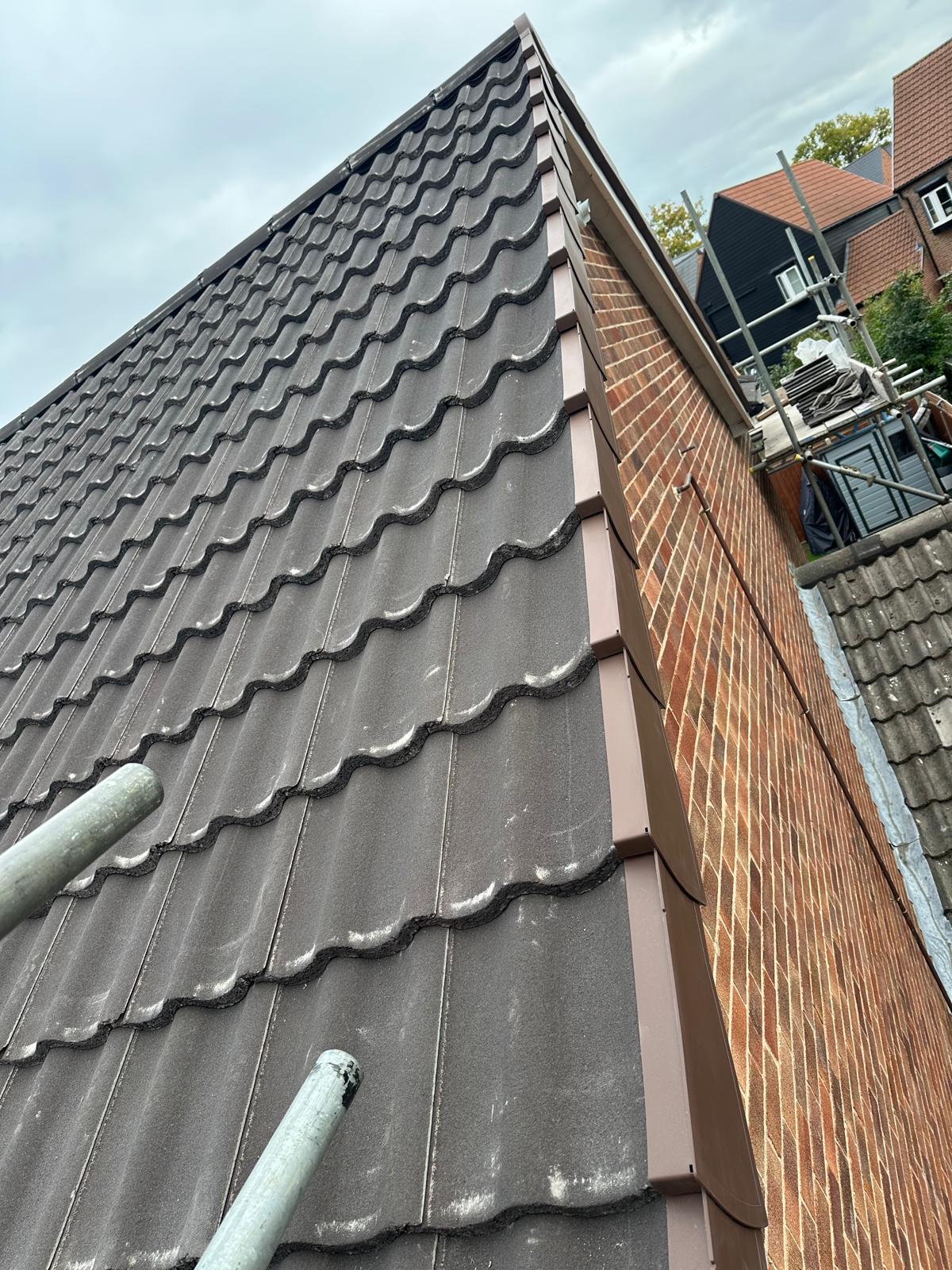
Replacing a roof is one of the most significant investments a homeowner can make. Naturally, one of the first questions people ask is about the new roof cost UK 2026 and what they should realistically expect to pay. The cost of a new roof varies depending on several important factors, including the size of the property, the materials used and the condition of the existing structure.
I regularly advise homeowners across South London, Surrey and Sussex who are trying to understand roofing costs before planning a project. While prices can vary between properties, understanding the main cost factors helps you estimate the likely investment and avoid unexpected expenses.
Average New Roof Cost in the UK in 2026
For most residential properties in the UK, the new roof cost UK 2026 typically ranges between £5,000 and £15,000 for a standard pitched roof replacement.
A smaller terraced house may fall closer to the lower end of this range, while larger detached homes with complex roof designs can cost significantly more. Slate roofing and premium materials can also increase the overall cost.
Although these figures provide a useful guideline, the final price always depends on the specific condition and structure of the roof.
Factors That Influence Roof Replacement Costs
Several elements influence the final cost of a new roof. These include roof size, materials, labour requirements and structural condition.
Understanding these factors allows homeowners to make informed decisions when planning roofing work.
Size and Complexity of the Roof
Roof size is one of the most important pricing factors. Larger roofs require more materials and labour, which naturally increases the cost.
In addition, complex roof designs with hips, valleys, dormers or skylights require more detailed work. These features increase both the time and materials required to complete the project.
Therefore, a simple pitched roof will usually cost less than a roof with multiple structural features.
Roofing Materials
The material chosen for the roof covering also affects the overall price. Concrete tiles generally cost less than slate, while natural slate can significantly increase the budget.
Each material offers different benefits in terms of lifespan, durability and appearance.
Our new roofs service includes guidance on suitable materials based on property style, budget and long term durability.
Choosing the right material ensures the roof performs well in British weather conditions.
Structural Repairs
Sometimes the existing roof structure requires repairs before a new covering can be installed. Damaged battens, deteriorated underlay or weakened timbers may need replacing.
Although these repairs add to the project cost, they ensure the new roof remains structurally sound for many years.
A thorough inspection before starting work helps identify any structural issues early.
Scaffolding and Access
Safe access remains essential during roof replacement. Scaffolding allows roofers to work safely and efficiently while protecting the property and surrounding areas.
Scaffolding costs typically form part of the overall roofing quote. Although this adds to the initial price, it improves both safety and project efficiency.
Roof Insulation Upgrades
Many homeowners choose to improve insulation when replacing a roof. According to the Energy Saving Trust, effective roof insulation can significantly reduce heat loss and improve energy efficiency.
While insulation upgrades may slightly increase the overall cost, they often reduce heating bills over time. For this reason, combining insulation improvements with roof replacement often provides better long term value.
Flat Roof Replacement Costs
Flat roofs generally cost less to replace than pitched roofs because they require fewer materials and simpler installation.
However, the final price still depends on the size of the roof and the type of system used.
Our flat roofs service includes modern flat roofing systems designed for durability and weather resistance.
Chimney and Roofline Work
Roof replacement projects often include additional work on chimneys or roofline components. Flashing repairs or chimney repointing may be necessary to ensure the roof remains watertight.
Our chimney repairs service often forms part of larger roofing projects where chimney areas require attention.
In addition, replacing fascias and soffits during roof replacement can improve drainage and protect roof edges.
Our soffits and fascias service provides durable roofline solutions that complement new roofing systems.
Labour Costs in 2026
Labour costs represent a significant part of the new roof cost UK 2026. Roofing requires skilled tradespeople who understand structural safety, weatherproofing and installation standards.
Experienced roofers ensure materials are installed correctly and that the roof meets current building regulations.
Although cheaper quotes may appear attractive initially, poor workmanship often leads to additional repair costs later.
Building Regulations and Compliance
Roof replacements must comply with the GOV.UK Building Regulations. These regulations cover structural safety, ventilation and insulation requirements.
In some cases, Local Authority Building Control may inspect the work to ensure compliance.
Professional roofing contractors manage this process to ensure the installation meets legal requirements.
Planning Permission Considerations
Most roof replacements fall under permitted development. However, changes to roof height or structure may require planning approval.
The Planning Portal roofing permission guidance explains when planning permission may apply.
Checking these requirements before starting work prevents delays.
When Roof Replacement Offers Better Value
Sometimes homeowners consider repeated repairs instead of replacement. However, if a roof requires frequent repairs or shows widespread deterioration, replacement often provides better long term value.
Replacing the roof eliminates recurring repair costs and improves structural reliability.
Professional inspection helps determine whether repair or replacement represents the best option.
Preventative Maintenance After Replacement
Once a new roof is installed, regular maintenance helps extend its lifespan. Removing moss, clearing gutters and arranging periodic inspections prevent premature deterioration.
Our moss removal service supports ongoing roof maintenance and helps preserve the condition of roofing materials.
Preventative care protects the investment made in a new roof.
Safety and Professional Standards
Roof replacement involves working at height and handling heavy materials. Professional roofing contractors follow guidance from the Health and Safety Executive to ensure safe working conditions.
The HSE Working at Height guidance explains the safety measures required for roofing projects.
Proper safety planning protects both workers and homeowners during installation.
Choosing a Reliable Roofing Contractor
Selecting a reputable roofing contractor plays an important role in achieving long lasting results. Experienced professionals provide detailed quotes, clear timelines and honest advice.
We are listed on Checkatrade, where genuine customer reviews reflect the quality of our workmanship and service.
Choosing an experienced contractor ensures the project is completed to a high standard.
Conclusion
Understanding the new roof cost UK 2026 helps homeowners plan effectively and avoid unexpected expenses. Most residential roof replacements fall between £5,000 and £15,000 depending on roof size, materials and structural condition. While the investment may seem significant, a properly installed roof protects your home for decades and improves energy efficiency.
If you would like a detailed estimate for your property, you can contact us here. At Rated Roofers & Builders, we provide honest advice and reliable roofing services across South London, Surrey and Sussex and are always happy to help you plan your roofing project with confidence.

Comment (0)