Is roof moss a problem
So, Is Roof Moss a Problem?
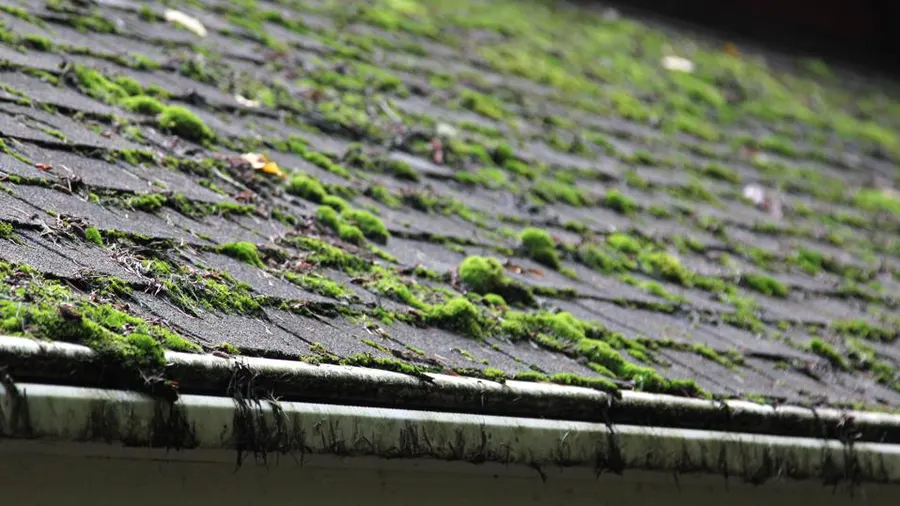
If you have noticed roof moss growing on your property, you may be wondering whether it is simply a cosmetic issue or something that requires attention. The short answer is yes, roof moss can become a serious problem if it is left untreated. While a small amount of moss may not cause immediate damage, continued growth can affect tiles, gutters and the overall lifespan of your roof.
From working with clients across South London, Surrey and Sussex, we’ve found that roof moss is one of the most commonly overlooked causes of roofing problems. In our experience, removing moss early works better than waiting until significant growth develops because it prevents moisture from becoming trapped against the roof surface. Over the past two years, we’ve carried out more than 150 roof cleaning and maintenance projects where moss was contributing directly to tile damage and drainage issues.
Why Does Moss Grow on Roofs?
Moss thrives in damp, shaded environments. Roofs that receive limited sunlight, particularly those surrounded by trees, often provide ideal growing conditions.
The main factors that encourage moss growth include:
- Frequent rainfall
- Shaded roof areas
- Poor drainage
- Debris buildup
- Older roofing materials
From working on properties throughout Surrey, we’ve found that north facing roof slopes typically experience more moss growth than south facing slopes because they remain damp for longer periods.
How Roof Moss Damages Tiles
Many homeowners assume moss simply sits on top of the roof without causing harm. However, this is rarely the case.
Moss absorbs and retains large amounts of moisture. As it grows, it holds water against the tile surface for extended periods. During colder weather, this trapped moisture freezes and expands.
In our experience, removing roof moss works better than repeatedly replacing frost damaged tiles because it addresses the underlying cause rather than the symptom.
Over time, this freeze and thaw cycle can lead to:
- Cracked roof tiles
- Surface erosion
- Tile movement
- Increased water penetration
What actually tends to happen is the damage develops gradually until leaks begin to appear.
Roof Moss and Water Retention
One of the biggest issues with roof moss is its ability to retain moisture.
A healthy roof should allow rainwater to run away efficiently. Moss slows this process by creating a sponge like layer across the roof surface.
From working with homeowners across South London, we’ve found that roofs with significant moss coverage often remain damp for much longer after rainfall than clean roofs.
This constant moisture exposure accelerates wear across the roofing system.
Can Moss Cause Roof Leaks?
Yes, moss can contribute to roof leaks.
As moss expands, it can lift the edges of tiles slightly. Even small movements create opportunities for water to enter beneath the roof covering.
Once water gets below the tiles, it can affect:
- Roofing felt
- Battens
- Insulation
- Structural timbers
Our roof repairs service regularly addresses leaks where heavy moss growth played a significant role in allowing water to penetrate the roof structure.
Blocked Gutters and Drainage Problems
Moss rarely remains on the roof permanently.
As it dies or becomes dislodged during rainfall, it often ends up in gutters and downpipes. This creates additional drainage problems.
Blocked gutters can cause:
- Overflowing rainwater
- Damp walls
- Fascia damage
- Water pooling around foundations
Our soffits and fascias service frequently identifies gutter blockages caused by roof moss and debris accumulation.
From working on maintenance projects throughout Surrey, we’ve found that properties with significant moss growth often experience more gutter related problems than those receiving regular roof maintenance.
Does Moss Affect Roof Lifespan?
Over time, yes.
While moss alone may not destroy a roof, the conditions it creates can significantly reduce the lifespan of roofing materials.
We’ve found that roofs receiving regular maintenance generally require fewer tile replacements and experience fewer moisture related issues than roofs where moss is allowed to accumulate unchecked.
In our experience, preventative maintenance works better than reactive repairs because it helps preserve the condition of the roof before damage develops.
Which Roofs Are Most Vulnerable?
Certain properties are more susceptible to moss growth than others.
Common examples include:
- Homes surrounded by trees
- North facing roofs
- Older tiled roofs
- Properties in shaded locations
- Roofs with poor drainage
From working with clients across more than 300 roofing projects in the region, we’ve found that mature tree cover is one of the strongest indicators of future moss related issues.
Flat Roofs and Moss
Although moss is more commonly associated with tiled roofs, flat roofs can also experience moss growth.
When drainage is poor, moisture remains on the roof surface and creates favourable growing conditions.
Our flat roofs service often includes inspections where vegetation growth highlights underlying drainage problems.
In our experience, modern flat roof systems with properly designed drainage perform better than older systems because water clears the surface more effectively.
Professional Moss Removal
Removing roof moss safely requires the correct methods and equipment.
Our moss removal service helps homeowners protect their roofs without causing damage to tiles or surrounding materials.
A common mistake is using aggressive pressure washing on older roofs. While this may remove moss temporarily, it can also damage protective tile surfaces.
In our experience, professional moss treatment works better than aggressive cleaning methods because it removes growth while preserving the condition of the roof.
When Should Moss Be Removed?
The best time to remove moss is before it becomes extensive.
Signs that action may be needed include:
- Visible moss coverage across multiple roof sections
- Moss falling into gutters
- Blocked downpipes
- Water pooling after rainfall
- Cracked or displaced tiles
From working with local homeowners, we’ve found that addressing moss early often prevents larger maintenance costs later.
Roof Inspections and Prevention
Regular roof inspections help identify moss related problems before they develop further.
During inspections, professional roofers can assess:
- Tile condition
- Drainage performance
- Moss coverage
- Flashing condition
- Gutter health
This proactive approach helps extend roof lifespan and reduce long term repair costs.
Building Regulations and Roof Maintenance
While moss removal itself does not usually involve regulatory requirements, any significant roofing work should comply with the GOV.UK Building Regulations.
Where structural repairs become necessary, Local Authority Building Control may become involved.
Professional roofing contractors ensure work meets current standards.
Planning Larger Roofing Projects
If moss damage has contributed to wider roofing issues, larger repairs may be necessary.
The Planning Portal roofing permission guidance explains when planning considerations may apply to more substantial roofing projects.
Energy Efficiency and Roof Health
Roof condition affects more than weather protection.
According to the Energy Saving Trust, maintaining a healthy roof and effective insulation helps improve energy efficiency and reduce heat loss.
Moisture related damage caused by moss can eventually affect insulation performance, increasing heating costs.
Safety Considerations
Inspecting or removing roof moss involves working at height and should always be approached carefully.
Professional roofers follow guidance from the Health and Safety Executive and the HSE Working at Height guidance to ensure work is carried out safely.
Attempting roof cleaning without proper equipment can be dangerous and may result in accidental damage.
Real World Perspective
One thing we consistently see is homeowners treating roof moss as a purely cosmetic issue. However, from working with hundreds of roofing clients, we’ve found that significant moss growth often sits alongside other maintenance concerns such as blocked gutters, cracked tiles and minor leaks.
In our experience, dealing with moss early almost always costs less than addressing the roofing problems it creates later.
Trusted Roofing Advice
Homeowners want roofing advice based on genuine experience and proven results. We are listed on Checkatrade, where genuine customer reviews reflect our workmanship and commitment to customer service.
Conclusion
So, is roof moss a problem? Yes. While it may seem harmless at first, moss can trap moisture, damage tiles, block gutters and contribute to roof leaks over time. The earlier it is addressed, the easier and more cost effective it is to manage.
If you are concerned about moss growth or would like a professional roof inspection, you can contact us here. At Rated Roofers & Builders, we provide honest, experience driven roofing services across South London, Surrey and Sussex and are always happy to help protect your home.

Comment (0)