
How long does it take to replace a residential roof
So, How Long Does It Take to Replace a Residential Roof
One of the most common questions homeowners ask before committing to major roofing work is, How long does it take to replace a residential roof. Understandably, people want to know how disruptive the process will be and how long their property will be exposed to building work. While every project differs, several key factors determine the overall timeframe.
I regularly carry out roof replacements across South London, Surrey and Sussex. In most cases, the process runs smoothly when properly planned. Understanding what affects the schedule helps homeowners prepare realistically and avoid unnecessary concern.
Average Timeframe for Roof Replacement
For an average three bedroom semi detached house, replacing a pitched roof typically takes between three and five working days. Smaller properties may take two to three days, while larger or more complex roofs can take a week or longer.
However, the answer to how long does it take to replace a residential roof depends on roof size, materials, structural condition and weather.
Planning and preparation often determine how efficiently the work progresses.
Size and Complexity of the Roof
Roof size plays a direct role in replacement time. Larger roofs require more materials and labour. Similarly, roofs with multiple hips, valleys or dormer windows demand greater attention to detail.
Complex designs require careful installation around junctions and flashing points. As a result, these roofs naturally take longer to complete than simple pitched structures.
Accurate assessment before starting work allows for realistic scheduling.
Type of Roofing Material
Material choice also affects duration. Concrete or clay tiles install at a predictable pace. Slate roofing requires more precise placement and can therefore take slightly longer.
Flat roof replacements may take less time on small areas. However, larger flat roofs often require additional preparation and drying time between stages.
Our new roofs service typically includes a detailed timeline based on material selection and property size.
Weather Conditions
Weather remains one of the most significant variables in roofing schedules. Heavy rain, strong winds or frost may pause work temporarily.
Although roofing can take place during most seasons, dry and moderate conditions allow work to progress more efficiently. Therefore, spring and summer often provide slightly more predictable timelines.
However, experienced teams plan carefully and protect exposed areas if brief weather interruptions occur.
Removal of the Existing Roof
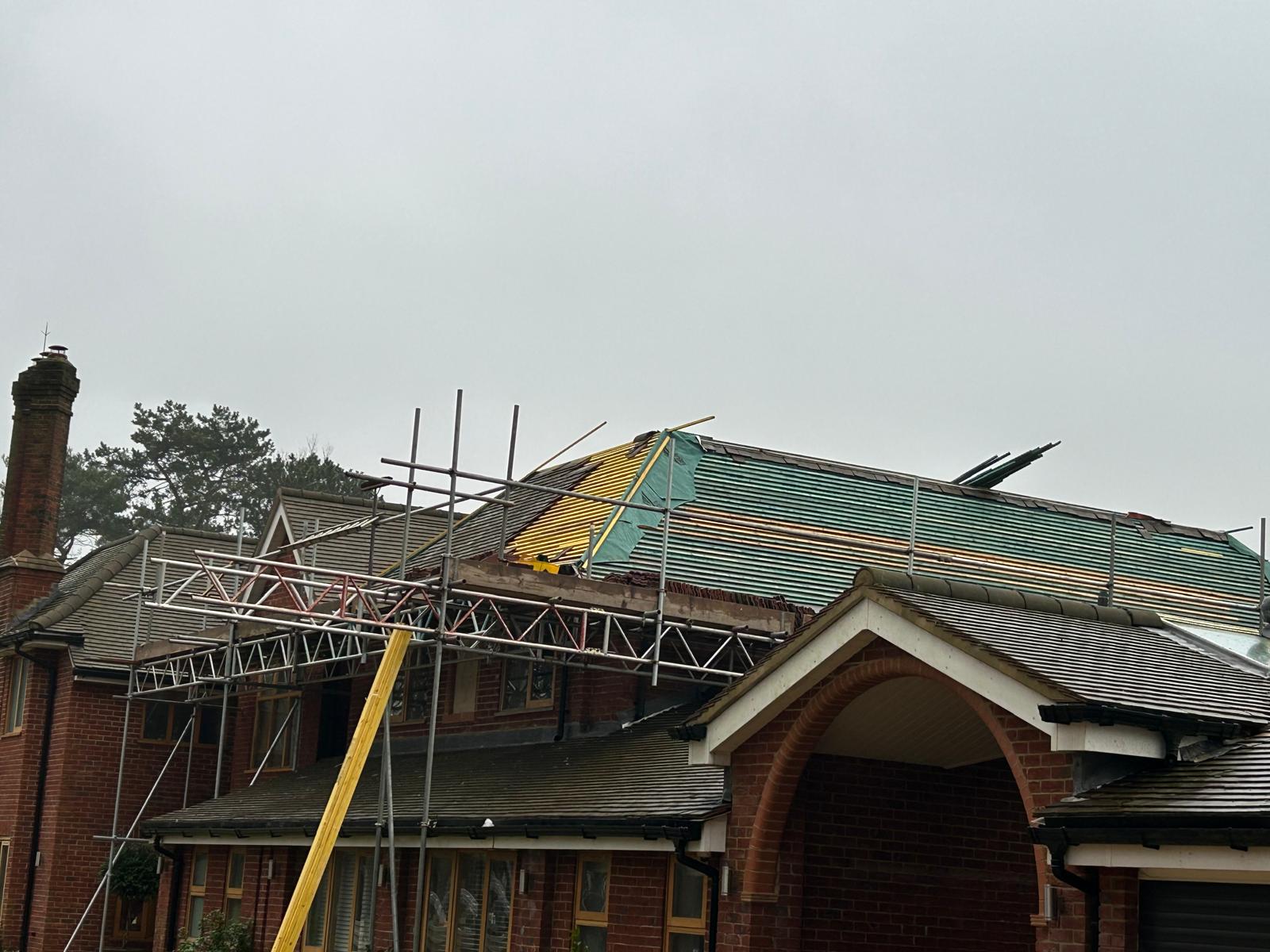
The first stage involves removing existing tiles or coverings. This stage often takes one to two days depending on roof size.
During removal, roofers inspect the underlying structure for damage. If battens or underlay require replacement, this may add time to the project.
However, identifying issues early prevents future problems and ensures long term durability.
Structural Repairs if Required
Occasionally, roof replacements reveal structural concerns such as weakened timbers or widespread underlay deterioration.
If structural repairs become necessary, additional time may be required. While this may extend the schedule slightly, addressing structural issues ensures the new roof performs properly.
Clear communication during this stage helps homeowners understand any changes to the timeline.
Installation of New Underlay and Battens
Once preparation is complete, roofers install breathable underlay followed by new battens.
This stage provides the foundation for the roof covering. Proper alignment and secure fixing ensure durability and resistance to wind uplift.
On average, this stage takes one to two days depending on roof size.
Installing the Roof Covering
After preparation, roofers install the new tiles or slates. Progress becomes visible quickly at this stage.
Most residential roofs reach completion within one to three days once covering installation begins. However, complex roof shapes may require additional detailing time.
Flashing, ridge tiles and ventilation components are fitted carefully to ensure long term protection.
Flat Roof Replacement Timeline
Flat roof replacement generally involves removing the existing membrane, preparing the deck and installing the new system.
Our flat roofs service often completes smaller flat roof projects within two to four days.
However, drying times and weather conditions may influence completion.
Scaffolding and Preparation
Before work begins, scaffolding is erected to ensure safe access. This process usually takes one day.
Scaffolding removal occurs once work finishes and site clearance is complete.
While scaffolding installation adds time at the start, it improves efficiency and safety throughout the project.
Building Regulations and Inspections
Roof replacements must comply with the GOV.UK Building Regulations. These regulations cover structural integrity, insulation and ventilation.
In some cases, Local Authority Building Control may inspect the work, particularly where structural elements change.
Coordinating inspections rarely causes major delays when planned properly.
Planning Permission Considerations
Most residential roof replacements fall under permitted development. However, structural alterations or changes to roof height may require approval.
The Planning Portal roofing permission guidance explains when permission may apply.
Checking requirements before scheduling work avoids unexpected interruptions.
Energy Efficiency Upgrades
Many homeowners choose to improve insulation during roof replacement. According to the Energy Saving Trust, roof insulation significantly reduces heat loss.
Adding insulation may add a small amount of time to the project. However, combining upgrades with replacement often proves more efficient than carrying out separate works later.
Safety and Site Management
Roofing involves working at height and handling heavy materials. Professional roofers follow guidance from the Health and Safety Executive to manage risks properly.
The HSE Working at Height guidance outlines safe working practices that ensure steady progress without unnecessary delays.
Safety planning remains a priority throughout the project.
Minimising Disruption
Although roof replacement creates noise, disruption usually remains manageable. Most work occurs externally, and internal living areas remain largely unaffected.
Clear communication regarding daily schedules helps homeowners plan around the work.
Efficient organisation ensures the project finishes within the agreed timeframe.
Why Experience Matters
The question, how long does it take to replace a residential roof, depends heavily on experience and organisation.
Experienced roofers plan material deliveries, labour allocation and safety procedures carefully. As a result, projects progress steadily without unnecessary delays.
We are listed on Checkatrade, where genuine reviews reflect our efficiency and workmanship standards.
Conclusion
So, How long does it take to replace a residential roof. For most homes, the process takes between three and five days, although size, material, weather and structural condition all influence timing. Proper planning, experienced workmanship and clear communication ensure the project runs smoothly.
If you are considering a roof replacement and would like an accurate timeline for your property, you can contact us here. At Rated Roofers & Builders, we provide clear advice and reliable roofing services across South London, Surrey and Sussex and are always happy to help you plan your project with confidence.

Comment (0)