
What are the Warning Signs your Roof Needs Urgent Attention
So, What Are the Warning Signs Your Roof Needs Urgent Attention
Your roof protects your home every day from rain, wind, frost and temperature changes. However, because most homeowners do not regularly inspect it, problems often develop quietly. Recognising the warning signs your roof needs urgent attention allows you to act quickly and prevent serious structural damage.
I regularly attend emergency roofing call outs across South London, Surrey and Sussex. In many cases, early signs were present but unnoticed. Understanding what qualifies as urgent helps you protect your property and avoid escalating repair costs.
Sudden or Severe Leaks
One of the clearest warning signs your roof requires urgent attention is sudden water ingress. If water drips from the ceiling during heavy rain or storms, the roof’s protective barrier has already failed.
Furthermore, dark stains spreading across ceilings or walls often indicate ongoing moisture penetration. Because water travels through roof spaces before appearing indoors, the visible patch may not reflect the true source.
Immediate inspection reduces the risk of insulation damage and timber rot.
Multiple Slipped or Missing Tiles
A single slipped tile may not require emergency repair. However, several missing or displaced tiles expose the underlay directly to weather.
Strong winds can lift additional tiles once the surface becomes unstable. Consequently, what begins as minor movement may develop into widespread failure.
Our roof repairs service often addresses urgent tile displacement before internal damage occurs.
Loose or Unstable Ridge Tiles
Ridge tiles sit at the highest point of the roof and experience heavy wind pressure. If ridge mortar cracks severely or tiles feel loose, they may detach during storms.
Because falling ridge tiles create safety risks and allow direct water entry, they require prompt attention.
Ignoring ridge instability increases both structural and safety concerns.
Sagging or Uneven Roofline
A visible sag along the roofline represents a serious warning sign your roof structure may be compromised.
Moisture infiltration over time can weaken battens or rafters. When structural elements lose strength, the roof surface no longer sits evenly.
Sagging often indicates long term damage and requires urgent professional assessment.
Persistent Damp in the Loft
If the loft feels damp or insulation appears wet, moisture likely enters through the roof covering.
Even if you cannot see active leaks, persistent damp suggests underlying failure. Over time, moisture weakens timbers and promotes mould growth.
Early detection prevents long term structural deterioration.
Flashing Failure Around Chimneys
Flashing seals joints around chimneys and roof junctions. When flashing cracks or pulls away, water enters quickly during rainfall.
Because chimney areas channel large volumes of water, flashing failure often leads to noticeable internal damage.
Our chimney repairs service frequently resolves urgent leaks caused by flashing deterioration.
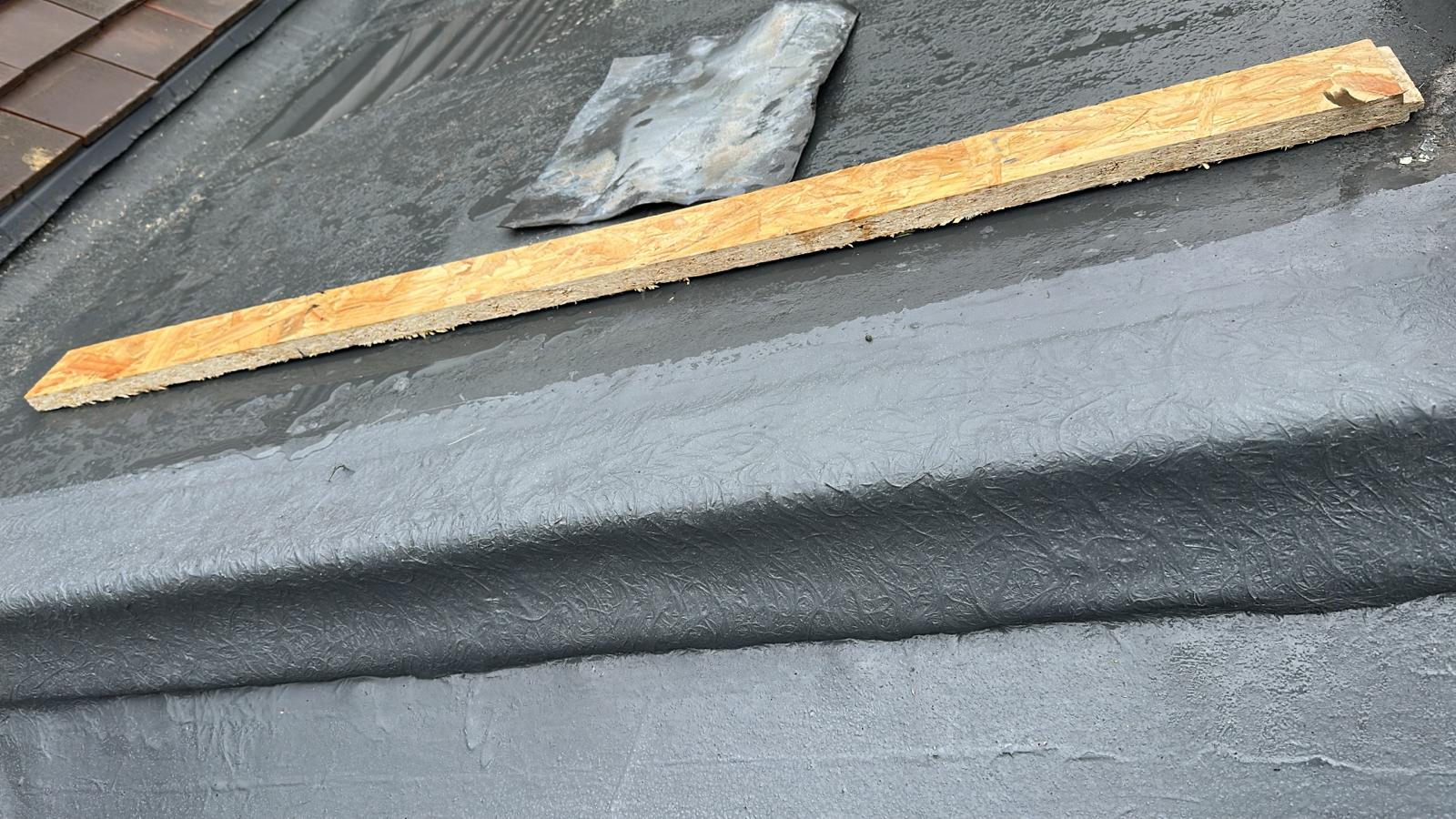
Flat Roof Pooling Water
Flat roofs require effective drainage. If water pools for extended periods after rainfall, the roof covering may be deteriorating.
Standing water places pressure on the membrane and increases the risk of penetration. Furthermore, surface cracks or lifting edges often develop where water collects.
Our flat roofs service often addresses urgent flat roof failures before internal damage spreads.
Large Amounts of Debris in Gutters
While debris alone does not indicate structural failure, excessive granules, tile fragments or mortar pieces in gutters may signal roof deterioration.
If mortar from ridge lines or tile fragments appear frequently, the roof may be weakening.
Combined with other symptoms, debris buildup often forms part of broader roof failure.
Increased Energy Loss
Sudden increases in heating costs sometimes indicate roof related issues. Damaged underlay or compromised insulation allows heat to escape more easily.
According to the Energy Saving Trust, roof insulation plays a crucial role in retaining heat. Therefore, roofing problems may affect comfort as well as weather protection.
Although energy loss alone does not indicate urgent structural failure, it may highlight hidden deterioration.
Visible Daylight in the Loft
If you can see daylight through the roof boards or around tile joints, the protective covering has gaps.
These openings allow water, wind and pests to enter. Because daylight indicates a direct breach, urgent inspection is necessary.
Small openings quickly expand under weather pressure.
Repeated Repairs in the Same Area
If you have repaired the same area multiple times within a short period, the underlying issue may extend beyond surface damage.
Repeated leaks often indicate that surrounding materials have deteriorated as well.
In such cases, addressing the wider problem prevents ongoing emergency situations.
Storm Damage Indicators
After strong winds or heavy rain, visible tile displacement or fallen debris often indicates urgent repair needs.
Even if internal leaks have not yet appeared, damaged tiles leave the roof vulnerable to the next storm.
Prompt inspection following severe weather reduces long term damage.
When Replacement Becomes Urgent
Sometimes the warning signs your roof displays indicate that repair will no longer provide lasting protection.
If deterioration appears across large areas or structural elements weaken, replacement may be the safest option.
Our new roofs service provides durable long term solutions when emergency repairs no longer suffice.
Building Regulations and Major Work
When urgent repairs involve significant structural changes, work must comply with the GOV.UK Building Regulations.
These regulations ensure safety and proper insulation. In some cases, Local Authority Building Control may inspect the project.
Understanding these requirements helps avoid further delays.
Planning Permission Considerations
Most urgent repairs do not require planning permission. However, structural alterations or changes to roof shape may require approval.
The Planning Portal roofing permission guidance explains when permission applies.
Checking guidance early ensures compliance.
Safety During Urgent Repairs
Roofing emergencies often occur during bad weather. However, working at height requires careful planning.
Professional roofers follow guidance from the Health and Safety Executive to manage site risks properly. The HSE Working at Height guidance outlines safe access procedures.
Attempting urgent repairs without training or equipment increases the risk of injury.
Why Acting Quickly Matters
When warning signs your roof appear, delaying action increases costs and damage. Water spreads rapidly through insulation and timber structures.
However, early intervention often limits repairs to manageable areas and prevents replacement.
Professional inspection ensures the correct course of action.
Trusted Roofing Advice
Homeowners value honest assessments during urgent situations. We are listed on Checkatrade, where genuine reviews reflect our reliability and workmanship standards.
Conclusion
Recognising the warning signs your roof needs urgent attention protects both your home and your finances. Sudden leaks, tile displacement, sagging rooflines and flashing failure all require prompt inspection. Acting quickly prevents structural deterioration and reduces long term costs.
If you have noticed any urgent roofing issues, you can contact us here for professional advice. At Rated Roofers & Builders, we provide responsive roofing services across South London, Surrey and Sussex and are always ready to help protect your home.

Comment (0)