What is Felt Roofing and Where is it Used?
So, What Is Felt Roofing and Where Is It Used
Felt roofing is one of the most commonly used roofing materials in the UK, particularly on flat and low pitched roofs. Despite the rise of newer roofing systems, it remains popular due to its affordability, versatility and proven track record. However, many homeowners are unsure what felt roofing actually is, how it works and where it is most suitable. Understanding felt roofing helps homeowners decide whether it is the right option for their property and what to expect in terms of lifespan and maintenance.
I regularly inspect and repair felt roofs across South London, Surrey and Sussex. This guide explains what it is, where it is used and when it remains a sensible choice.
What Is Felt Roofing
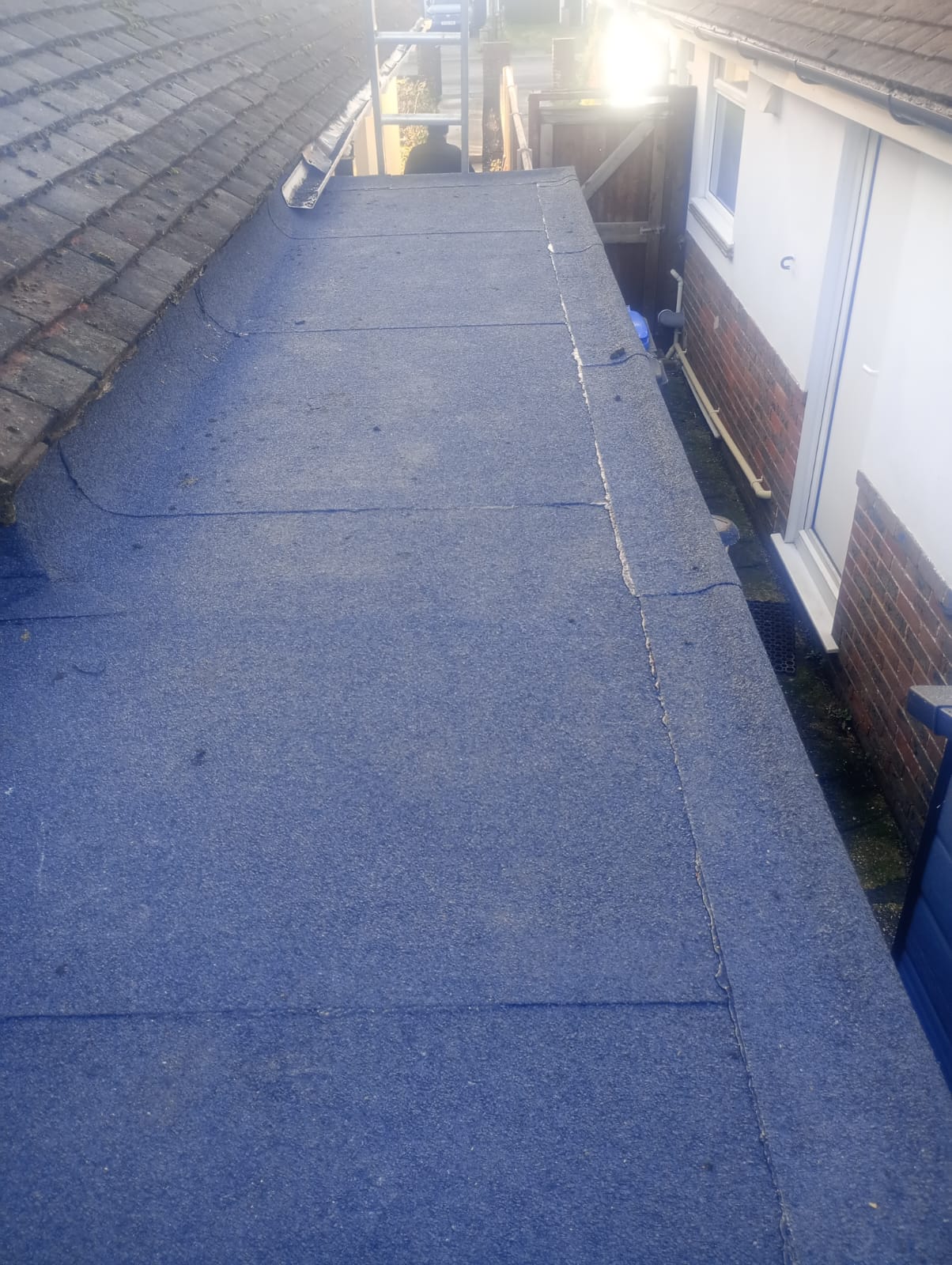
Felt roofing is a layered roofing system made from bitumen based materials. Traditional felt consists of reinforced sheets saturated with bitumen, which creates a waterproof barrier once installed.
Modern systems have improved significantly compared to older versions. Many now include polyester reinforcement, which increases strength and flexibility. This reinforcement helps felt roofs cope better with temperature changes and movement.
It is usually installed in layers. Each layer overlaps the next to create a continuous waterproof surface that directs water away from the roof structure.
How Felt Roofing Is Installed
Installation involves several stages. First, the roof deck is prepared to ensure it is clean, dry and structurally sound.
Next, a base layer of felt is fixed to the deck. This layer provides the foundation for the waterproofing system. Additional layers are then applied, often using heat or adhesive, depending on the system.
The final layer forms the waterproof surface and includes protective finishes that improve durability. Proper detailing at edges and joints ensures water cannot penetrate vulnerable areas.
Correct installation plays a major role in it’s performance. Poor workmanship often causes early failure rather than the material itself.
Where Felt Roofing Is Commonly Used
It is most commonly used on flat and low pitched roofs. These roof types require materials that perform well where water drains more slowly.
You will often find it on extensions, garages, porches and bay roofs. It also appears on commercial buildings and outbuildings where cost effective solutions are required.
Because felt roofing adapts well to different roof shapes, it suits areas with multiple angles and junctions.
Why Felt Roofing Remains Popular
Despite newer alternatives, felt roofing remains popular for several reasons.
Cost remains a key factor. It often costs less than rubber or fibreglass systems, making it attractive for homeowners working within a budget.
Felt roofing also offers reliable waterproofing when installed correctly. Modern felt systems perform far better than older versions and provide good protection against British weather.
In addition, repairs often remain straightforward and affordable.
Lifespan of Felt Roofing
The lifespan of felt roofing depends on material quality, installation and maintenance. Older felt roofs may last ten to fifteen years, while modern reinforced systems often last twenty years or more.
However, it remains more vulnerable to wear than some newer materials. Regular inspections help identify issues early and extend lifespan.
Pooling water, surface cracks and lifting edges usually indicate that maintenance or repair is required.
Common Problems With Felt Roofing
Like all roofing materials, felt roofing has weaknesses.
Over time, felt can become brittle due to temperature changes and ultraviolet exposure. This brittleness may lead to cracking or splitting.
Poor drainage also causes problems. Standing water places stress on felt layers and increases wear.
Incorrect installation remains one of the most common causes of felt roof failure. Inadequate overlaps or poor detailing often lead to leaks.
Felt Roofing Repairs
Repairs work well when damage remains localised. Small cracks, blisters or lifting edges can often be repaired without replacing the entire roof.
However, when damage appears across large areas, replacement may provide better long term value.
Our flat roofs service often involves assessing whether repair or replacement suits a felt roof best.
Felt Roofing Versus Other Flat Roof Materials
Homeowners often compare felt roofing with rubber or fibreglass systems.
Felt roofing usually costs less upfront. However, rubber and fibreglass often offer longer lifespans and require less maintenance.
It remains a practical option where budgets are limited or where roof complexity makes other systems less suitable.
Understanding these trade offs helps homeowners choose the right material for their needs.
Is Felt Roofing Suitable for All Properties
Felt roofing suits many properties but not all situations.
For small flat roofs such as garages or extensions, it often performs well. For larger flat roofs with heavy foot traffic or long term water pooling, alternative materials may provide better durability.
Roof pitch also matters. It suits flat or low pitched roofs but does not work on steep pitched roofs.
Professional advice ensures the chosen system matches the roof design and usage.
Building Regulations and Felt Roofing
Felt roofing installations must comply with the GOV.UK Building Regulations. These regulations cover structural integrity, insulation and ventilation.
During roof replacement or significant upgrades, compliance ensures the roof performs safely and efficiently.
In some cases, Local Authority Building Control may inspect the work, particularly when insulation or structural elements change.
Planning Permission Considerations
Most felt roofing work does not require planning permission. However, changes to roof height, structure or appearance in conservation areas may require approval.
The Planning Portal roofing permission guidance explains when permission applies.
Checking this guidance early helps avoid delays.
Maintenance Requirements for Felt Roofing
Felt roofing benefits from regular maintenance. Clearing debris prevents water pooling and reduces surface wear.
Inspections help identify early signs of cracking, blistering or edge lifting. Addressing these issues early prevents water ingress.
Routine maintenance often extends felt roofing lifespan significantly.
Safety and Felt Roofing Work
Felt roofing installation and repair involve working at height and using heat equipment in some cases.
Professional roofers follow guidance from the Health and Safety Executive to manage risks during roofing work. Safe access and proper procedures protect both workers and homeowners.
The HSE Working at Height guidance supports safe inspections and repairs.
When Felt Roofing Should Be Replaced
Felt roofing should be replaced when repairs no longer provide reliable protection. Widespread cracking, repeated leaks and surface deterioration often signal that the system has reached the end of its lifespan.
In these cases, replacement prevents ongoing damage and offers better long term value.
Our new roofs service provides replacement solutions suited to flat roof applications.
Insurance and Felt Roofing
Insurance coverage for it depends on cause and condition. Sudden damage caused by storms may qualify, while wear and tear usually does not.
Maintaining it improves insurance outcomes and reduces the risk of rejected claims.
Trusted Roofing Advice
Homeowners benefit from honest assessments when deciding whether it suits their property. We are listed on Checkatrade, where genuine reviews reflect our approach to quality and transparency.
Conclusion
Felt roofing remains a widely used and practical solution for flat and low pitched roofs across the UK. When installed correctly and maintained properly, modern felt systems provide reliable waterproofing at an affordable cost. However, understanding its limitations helps homeowners decide when it suits their property and when alternative materials may offer better long term value.
If you are considering it or need advice on an existing roof, you can contact us here. At Rated Roofers & Builders, we provide clear, honest roofing advice across South London, Surrey and Sussex and are always happy to help you choose the right solution.

Comment (0)