
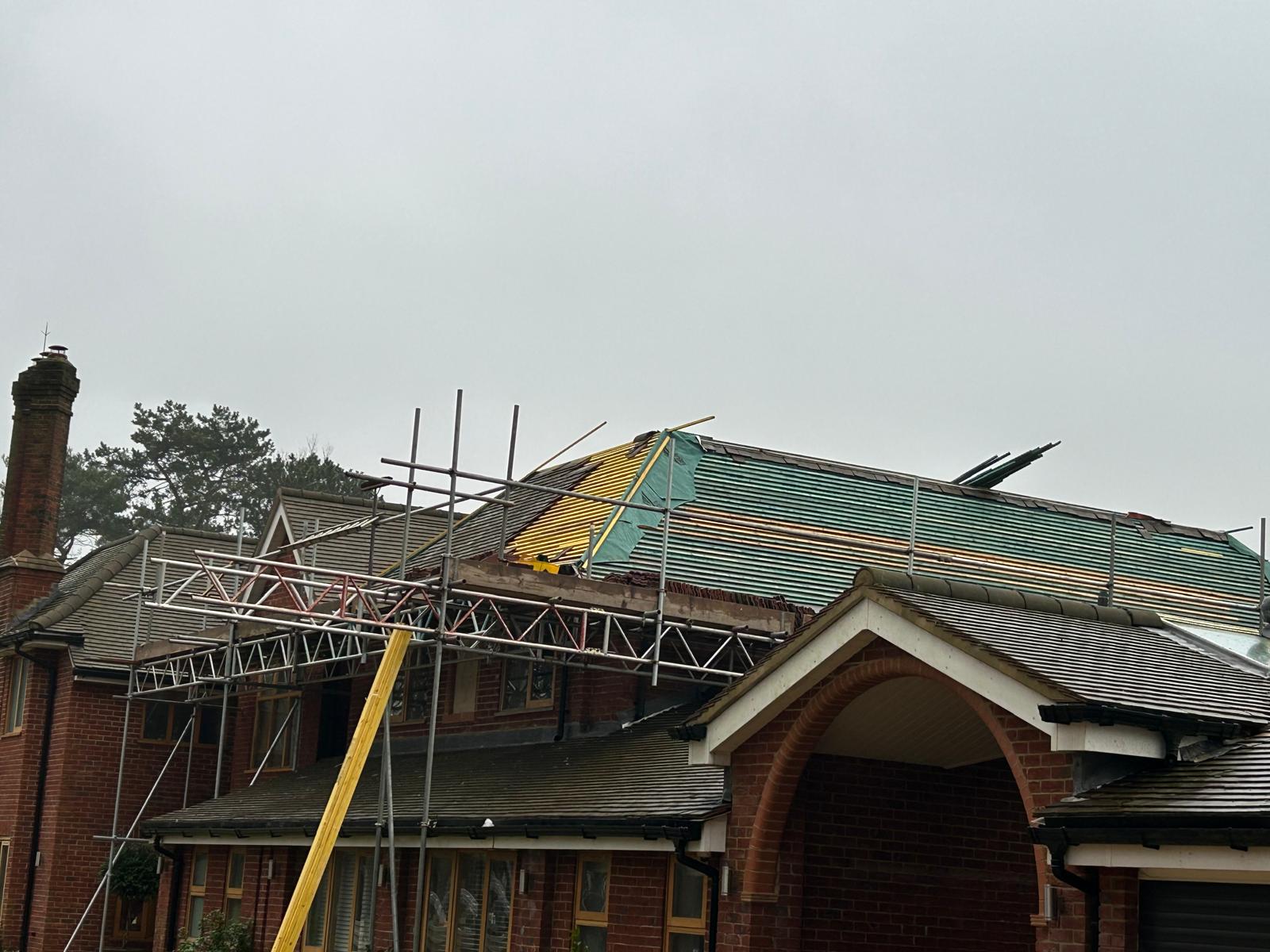
How Often Should a Roof be Inspected
So, How Often Should a Roof Be Inspected
Many homeowners only think about their roof when a problem becomes obvious. However, by the time water enters the property, damage has often already spread. Knowing how often a roof be inspected helps prevent unexpected repairs, reduces long term costs and protects the structure of the home.
I regularly inspect roofs across South London, Surrey and Sussex where early signs were present long before a leak appeared. Understanding inspection timing allows homeowners to stay ahead of problems rather than reacting to them.
Why Regular Roof Inspections Matter
A roof protects the entire property from weather exposure. Over time, wind, rain, frost and temperature changes place constant stress on roofing materials.
Small issues rarely resolve on their own. Instead, they worsen gradually until damage becomes visible inside the home. Regular inspections identify these issues early, when repairs remain simple and affordable.
In addition, inspections help homeowners plan maintenance rather than face emergency repairs.
How Often a Roof Should Be Inspected
For most UK homes, a roof should be inspected at least once every twelve months. This annual inspection helps identify wear caused by weather exposure over the previous year.
However, certain situations require more frequent checks. Roofs exposed to harsh conditions or those showing early signs of wear benefit from additional inspections.
Roof Inspections After Severe Weather
After storms or periods of heavy wind and rain, roofs face increased risk of damage. Strong winds can lift tiles or loosen ridge mortar. Heavy rain tests every joint and overlap.
Therefore, arranging an inspection after severe weather helps identify damage early. Acting quickly prevents small issues from turning into leaks or structural damage.
Roof Age and Inspection Frequency
Roof age influences how often a roof be inspected. Newer roofs usually require fewer checks because materials remain in good condition.
Older roofs benefit from more frequent inspections. As materials age, they become more vulnerable to damage. Mortar weakens, fixings loosen and underlay deteriorates.
For roofs over twenty years old, inspections every six to nine months often provide better protection.
Flat Roof Inspection Frequency
Flat roofs require closer monitoring than pitched roofs. Because water drains more slowly, defects allow moisture to sit on the surface for longer.
As a result, flat roofs should be inspected at least twice a year. Many homeowners choose inspections in spring and autumn to address seasonal changes.
Our flat roofs service often includes routine inspections that help extend flat roof lifespan.
What Happens During a Roof Inspection
A professional roof inspection follows a clear and thorough process.
The inspection usually begins with an external assessment. This includes checking tiles or roof coverings, ridge tiles, flashing and roofline components. Any visible damage is noted.
Next, closer inspection may involve safe access equipment to check specific areas in detail. This step helps identify cracked tiles, lifting edges or deteriorating materials.
Finally, the loft space is inspected. Signs of damp insulation, water staining or daylight indicate problems that may not appear outside.
Common Issues Found During Inspections
Regular inspections often reveal the same types of issues.
Slipped or cracked tiles remain common, particularly after storms. Ridge mortar often shows early signs of cracking. Flashing around chimneys frequently loosens with age.
Blocked gutters also appear regularly. When gutters overflow, water damages roof edges and underlay.
Our roof repairs service often addresses these issues before they escalate.
Why Loft Inspections Matter
The loft provides valuable insight into roof condition. Moisture often appears here before reaching ceilings.
During inspections, damp insulation, mould or staining indicate water ingress. Poor ventilation may also cause condensation, which can resemble a leak.
Identifying these signs early prevents long term timber damage and improves indoor air quality.
Seasonal Considerations for Roof Inspections
Each season places different demands on roofs.
Winter exposes roofs to frost and high winds. Spring reveals damage caused by winter conditions. Summer heat causes expansion that stresses joints. Autumn brings debris that blocks gutters.
Because of this, inspections scheduled around seasonal changes often catch problems early.
How Maintenance Reduces Inspection Findings
Regular maintenance reduces the number of issues found during inspections. Clearing moss and debris prevents moisture retention.
Our moss removal service helps protect tiles and reduce the risk of frost damage.
Keeping gutters clear also prevents water from overflowing onto roof edges and entering the structure.
Roof Inspections for Homebuyers
Homebuyers often request roof inspections before completing a purchase. These inspections help identify hidden issues and future repair costs.
Because roof repairs can prove expensive, inspection findings often influence purchase decisions or negotiations.
Pre purchase inspections usually take longer and involve detailed reporting.
Safety and Professional Roof Inspections
Roof inspections involve working at height. Attempting inspections without proper equipment carries significant risk.
Professional roofers follow guidance from the Health and Safety Executive to ensure inspections are carried out safely. This includes correct access equipment and risk assessments.
The HSE Working at Height guidance explains why safety planning matters during roof inspections.
Building Regulations and Inspection Findings
Inspections may reveal work that falls under regulations. For example, roof replacements or insulation upgrades must comply with the GOV.UK Building Regulations.
Understanding this early helps homeowners plan work correctly and avoid delays later.
Planning Ahead With Inspection Results
Inspection results help homeowners plan rather than react. Minor repairs can be scheduled at convenient times. Larger projects can be budgeted for gradually.
This planning approach reduces stress and avoids emergency callouts.
Repair or Replacement Decisions
Regular inspections clarify whether repair or replacement suits the roof best.
If damage remains localised, repairs often extend roof lifespan effectively. However, repeated issues across the roof often indicate replacement provides better value.
Our new roofs service offers long term solutions when inspections show repairs will no longer perform reliably.
How Inspections Protect Property Value
A well maintained roof protects property value. Buyers often view roof condition as a major factor when assessing a home.
Regular inspections demonstrate proactive care and reduce the likelihood of unexpected issues during sales.
How Often Inspections Save Money
Inspections may seem like an extra expense, but they usually save money long term.
Identifying a slipped tile early costs far less than repairing water damaged ceilings, insulation and timbers. Therefore, inspection costs often pay for themselves.
Trusted Roof Inspection Services
Homeowners want confidence that inspections provide honest advice rather than unnecessary work. We are listed on Checkatrade, where genuine reviews reflect our straightforward approach and quality workmanship.
Conclusion
So, how often should a roof be inspected. For most homes, once a year provides solid protection. However, older roofs, flat roofs and properties exposed to severe weather benefit from more frequent checks.
If you would like to arrange a professional roof inspection or discuss your roof condition, you can contact us here. You can also connect with Rated Roofers and Builders through our business profile. We provide reliable roof inspections and roofing services across South London, Surrey and Sussex and are always happy to help you protect your home.

Comment (0)