
How Long Does a Roof Inspection Take
How Long Does a Roof Inspection Take
A roof inspection is often the first step homeowners take when they notice a problem or want reassurance about the condition of their roof. However, many people hesitate to book one because they are unsure how long it will take or what the process involves. Understanding how a roof inspection works helps remove uncertainty and makes it easier to act before small issues turn into expensive repairs.
I regularly carry out roof inspections across South London, Surrey and Sussex. While the exact time varies, most inspections follow a clear structure. I will explain how long a roof inspection usually takes, what affects the timeframe, and why a proper inspection matters.
What Is a Roof Inspection
A roof inspection involves a detailed assessment of the roof and related components. The aim is to identify visible damage, early warning signs and areas that may need attention in the future.
During an inspection, I assess the roof covering, ridge tiles, flashing, roofline, gutters and loft space. In addition, I look for signs of water ingress, poor ventilation and structural movement. This approach provides a clear picture of the roof’s overall condition.
Average Time for a Roof Inspection
In most cases, a standard roof inspection takes between thirty minutes and one hour. However, several factors influence this timeframe.
A simple inspection on a small property with easy access may take less time. On the other hand, larger homes or roofs with complex layouts require more detailed checks. Therefore, inspection time always depends on the roof rather than a fixed schedule.
Factors That Affect Inspection Time
Several elements determine how long an inspection takes. Understanding these factors helps explain why some inspections last longer than others.
Size of the Property
Larger properties naturally require more time. A small terraced house may only need a brief inspection, while a detached home with multiple roof sections requires a more thorough assessment.
Roof Design and Complexity
Roofs with multiple slopes, valleys, dormers or flat sections take longer to inspect. Each area needs individual attention to ensure no issues are missed.
Roof Material
Different materials require different checks. Slate roofs, for example, need careful inspection for slipped slates and nail fatigue. Flat roofs require close inspection of the surface, edges and drainage.
Access and Safety
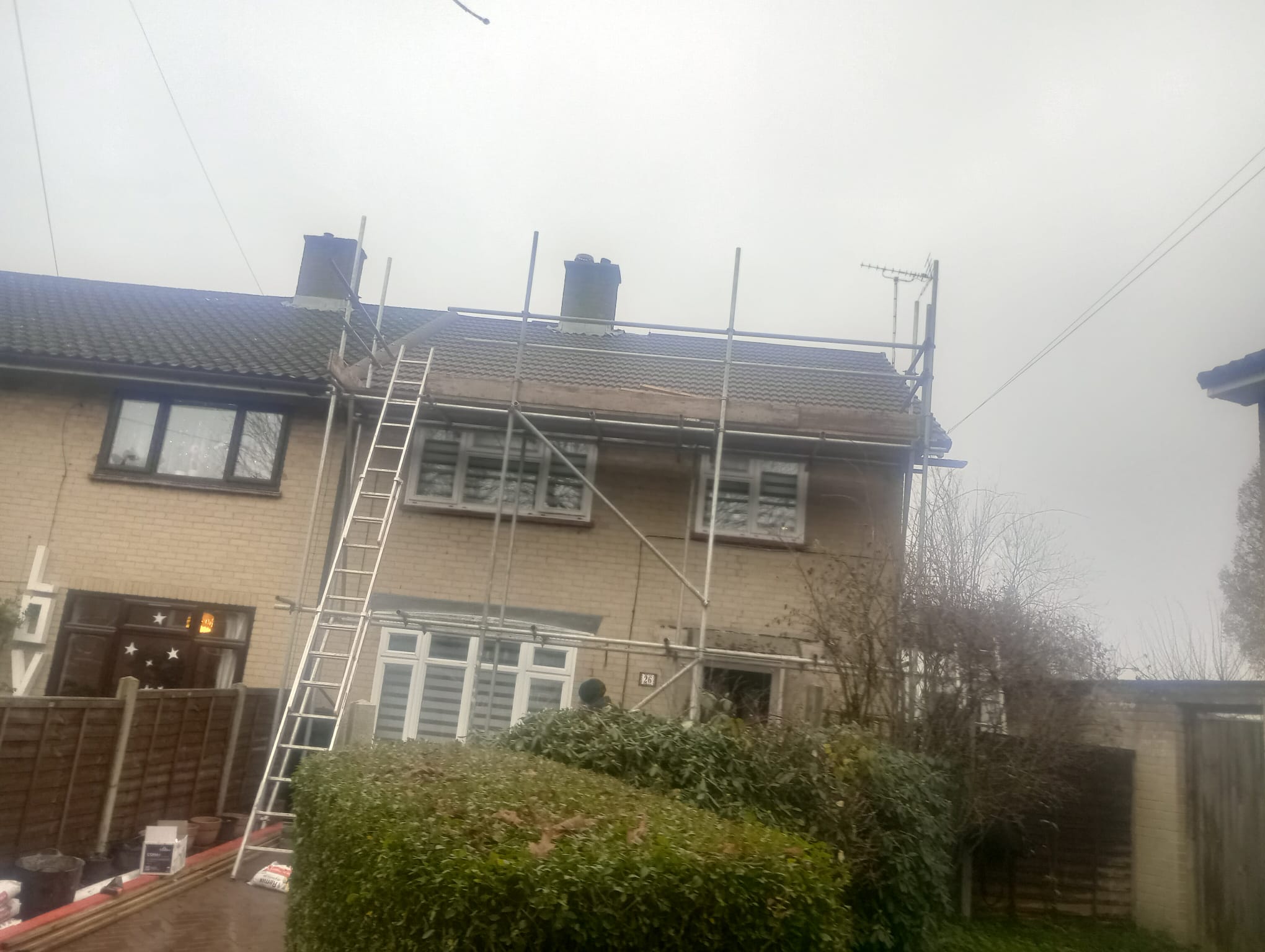
Safe access plays a major role. Some roofs allow inspection from ground level and loft space, while others require ladders or scaffolding. Safety always comes first, which means inspections never rush access arrangements.
All work follows guidance from the Health and Safety Executive, particularly when working at height. This ensures inspections remain safe and thorough.
What Happens During a Roof Inspection
A professional inspection follows a logical process. Each stage helps build a complete picture of the roof condition.
External Visual Inspection
The inspection usually begins with an external check from ground level. This allows obvious issues such as missing tiles, sagging areas or damaged flashing to be identified quickly.
Close Up Roof Inspection
Next, closer inspection takes place using safe access equipment. This stage allows individual tiles, slates and flat roof coverings to be checked properly. Ridge tiles, valleys and junctions receive particular attention.
Guttering and Roofline Check
Gutters, fascias and soffits play a key role in roof performance. During inspection, I check for blockages, damage and signs of water overflow. Problems here often contribute to roof damage.
Loft Inspection
The loft often reveals issues that are not visible outside. I check for damp insulation, mould, water staining and daylight showing through the roof. Ventilation also receives attention, as poor airflow causes condensation problems.
Why a Proper Roof Inspection Matters
A rushed inspection can miss early warning signs. Small cracks, loose fixings or minor leaks often develop quietly before causing visible damage.
A thorough inspection helps identify problems early. As a result, homeowners can address issues before they lead to costly repairs. In many cases, minor repairs following an inspection prevent the need for larger work later.
Our roof repairs service often follows inspections where early issues are identified and resolved promptly.
Roof Inspections for Different Situations
The purpose of the inspection also affects how long it takes.
Routine Maintenance Inspections
Routine inspections usually focus on general condition. These inspections often take less time because they aim to confirm the roof remains in good order.
Leak Investigations
When a leak is present, inspections take longer. Tracing the source of water ingress requires careful investigation, both externally and internally. Water often travels before appearing inside, so patience matters.
Pre Purchase Inspections
Homebuyers often request roof inspections before completing a purchase. These inspections require detailed reporting and therefore take longer. However, they provide valuable insight into future repair costs.
Flat Roof Inspections
Flat roofs require particular attention during inspection. Because water drains more slowly, defects may remain hidden beneath the surface.
During a flat roof inspection, I check for pooling water, surface cracks, blistering and edge lifting. Drainage outlets also receive close attention. Our flat roofs service often follows inspections where flat roof issues are identified early.
How Often Should a Roof Be Inspected
Although inspections often occur after a problem appears, regular checks help prevent surprises. Many homeowners arrange inspections once a year or after severe weather.
After storms, inspections help identify displaced tiles or new damage. Acting quickly after extreme weather prevents minor issues from worsening.
Safety and Working at Height
Roof inspections involve working at height, which carries inherent risks. Therefore, professional roofers follow strict safety procedures.
Guidance from the HSE Working at Height guidance explains why proper access equipment and planning are essential. This focus on safety ensures inspections remain both effective and secure.
What a Roof Inspection Does Not Do
It is important to understand what an inspection involves and what it does not. An inspection identifies issues but does not automatically include repairs.
However, once the inspection is complete, I explain the findings clearly. Homeowners then understand what work is needed, what can wait and what requires urgent attention.
How Inspection Findings Are Explained
After the inspection, I walk through the findings in clear terms. I explain where issues exist, why they matter and what options are available.
This explanation allows homeowners to make informed decisions without pressure. Honest advice ensures trust and long term protection for the property.
Roof Inspections and Regulations
While inspections themselves do not require approval, findings may highlight work that falls under regulations. For example, roof replacements or insulation upgrades must comply with standards set out in the GOV.UK Building Regulations.
Understanding this early helps homeowners plan work correctly and avoid delays later.
When an Inspection Leads to Replacement
In some cases, inspections reveal widespread issues rather than isolated damage. When this happens, replacement may offer better long term value than repeated repairs.
Our new roofs service provides complete solutions when inspections show that repairs will no longer perform reliably.
Local Experience Matters
South London, Surrey and Sussex feature a wide range of property styles. Each type presents different roofing challenges.
Having inspected roofs across these areas for many years, I understand where problems typically develop and how long inspections realistically take. Local knowledge helps ensure inspections remain accurate and efficient.
Trusted Roof Inspection Services
Homeowners want confidence that inspections are carried out properly. We are listed on Checkatrade, where genuine reviews reflect the quality of our inspections and advice.
Conclusion
So, how long does a roof inspection take. In most cases, between thirty minutes and one hour. However, the real value lies not in speed but in thoroughness. A careful inspection identifies issues early, protects the roof and helps homeowners plan with confidence.
If you would like to arrange a professional roof inspection, you can contact us here. You can also connect with Rated Roofers and Builders through our business profile. We provide reliable roof inspections and roofing services across South London, Surrey and Sussex and are always happy to help.

Comment (0)